
Of peri-tales and so-called ‘cougar puberty’
Picture being in the middle of a business meeting when you suddenly feel the heat rising from your neck to your scalp. You’re sweating, you’re hot, and then suddenly, you’re clammy and cold. The infamous hot flash—the prelude to perimenopause—when the only thing warmer than the weather is your body’s thermostat going wild. And despite what you might have heard, a hot flash can happen anywhere, anytime.
On some days you feel like you could do it all, and then suddenly you’re hit with a myriad of emotions, crying over nothing. And if you’ve found yourself forgetting where you left your purse, struggling to recall a name that’s right on the tip of your tongue, or zoning out mid-conversation, it turns out the hormones are wreaking havoc on your mental functions too.

If you’ve experienced any of these symptoms—or all of the above—welcome to perimenopause: a stage of life often misunderstood and overlooked. Much like puberty, perimenopause is a major upheaval, often catching women off guard, with many unaware that it’s happening or how to manage it.
This viral term “cougar puberty” has clearly struck a nerve with women in their 30s and 40s. “My mother never told me this would happen,” many friends often share over dinner and lunch conversations. Others joke that they feel like teenagers again—only this time with back pain, bills, and children to take care of.
It’s time to talk about perimenopause and mid-lifing changes with honesty – and help make it a peri-less journey.
Identifying perimenopause
Perimenopause is the transitional phase before menopause when hormone levels—especially estrogen and progesterone—begin to fluctuate and decline. This stage can begin as early as your 30s, but most women experience it in their 40s. It typically lasts several years before your periods stop completely. After a year without periods, menopause is official.
I heard someone describe perimenopause as “puberty in reverse”—and that’s not far off. According to OB-GYN Dr. Gergen Lazaro-Dizon, common signs and symptoms of perimenopause include irregular periods, hot flashes and night sweats, and “peri-brain,” which includes mood swings, anxiety, brain fog, and memory issues; depression; sleep problems; low libido; vaginal dryness; joint pain; muscle loss and aches; weight gain; and body composition changes. “Less common but equally important symptoms are heart palpitations, vertigo or dizziness, numbness, burning mouth and tongue, dry eyes, body odor, worsening allergies, migraines, recurrent UTIs, bladder urgency, skin changes, hair loss, hyperacidity, and bloating,” adds Dr. Dizon.

The list goes on—the body is not shutting down its reproductive function all at once. Instead, it is entering a stage of hormonal turbulence similar in chaos to adolescence.
These symptoms aren’t just part of aging. They are signs that your body is undergoing a significant transformation—one that deserves recognition and care.
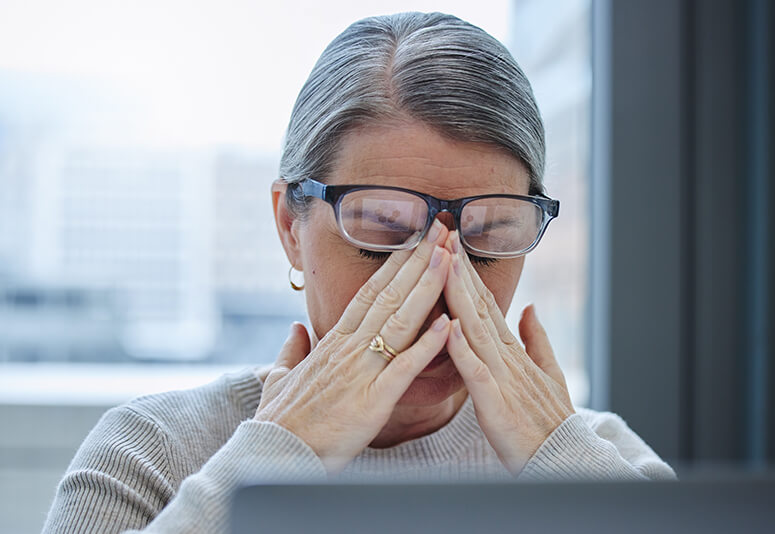
What should be a transitional phase is often dismissed as “just aging,” leaving women to navigate it uninformed. Perimenopausal women may also experience a reevaluation of identity—especially as society bombards them with messages about staying youthful. As the body changes in ways that can be frustrating or disorienting, it can also feel unfamiliar.
Treatment options
Historically, the conversation around perimenopause and menopause has been depressing. “Cougar puberty” reframes it as a transformation, not a decline. Just like puberty, it’s messy and emotional—but it’s also an opportunity to reinvent.
These changes can be difficult, and if you feel like your body has turned against you, you’re not alone. Talking about perimenopause and menopause—once shrouded in secrecy—has become a business as well. Celebrities Gwyneth Paltrow, Cameron Diaz, Halle Berry, and Naomi Watts have invested in menopause-focused startups and podcasts, and this open conversation may encourage more women to seek medical help instead of letting their symptoms spiral.

Perimenopause and menopause affect women differently, and there are several treatment options, according to robotic gynecologic surgeon Dr. Marie Cruz-Javier. One option is medical hormone therapy for overall health and to prevent bone loss.
“For patients who are good candidates for medical hormone therapy (MHT), this can sometimes be combined with GLP-1 medications to improve insulin sensitivity, metabolism, and blood sugar control,” Dr. Javier says. However, she emphasizes that GLP-1 medications do not treat menopause symptoms.
Dr. Dizon also recommends non-hormonal medications such as antidepressants, gabapentin, and clonidine, which can help with hot flashes and mood symptoms. Vaginal estrogen—such as creams, tablets, or rings—can be an alternative to oral hormone replacement therapy.
Dr. Dizon also recommends supplements such as magnesium glycinate for sleep and anxiety; omega-3 oil for mood and heart health; vitamin D3 and calcium for bone health; vitamin B complex for brain fog; and low-dose melatonin to aid sleep.

Both Dr. Dizon and Dr. Javier recommend increasing protein intake to 20–25 grams per meal, exercising and weight training to manage mood and prevent muscle and bone loss, and practicing yoga or meditation to destress. They also advise keeping a consistent sleep schedule.
Perimenopause can feel chaotic and overwhelming, but with information and medical help, you can navigate it with more ease and make it a “peri-less” journey.