

West End warrior Joaquin Valdes: Athlete on stage
Joaquin Pedro Valdes commands attention the minute he steps on stage. He has played leading roles in West End and UK tour productions like Disney’s The Lion King (where he played Simba), Heathers, and Death Note. He started as a child actor in the Philippines, gained fame with the boyband 17:28, and transitioned to major international musicals, becoming known for bringing Filipino talent to the global stage with roles in Pacific Overtures, Miss Saigon, and The Lightning Thief.
Currently in Manila for a holiday, he had his gym sessions arranged before his plane even landed. Behind the polished vocals and character work lies a man with the discipline of an athlete.
For Joaquin, physical fitness has always been more than just good looks; it is the anchor that keeps him grounded amid the highs and lows of a performer’s life. He talks about why wellness is the ultimate rehearsal for life.

THE PHILIPPINE STAR: In high school, you started lifting weights to look like a superhero. Has your definition of strength evolved?
JOAQUIN PEDRO VALDES: When I first started lifting weights in high school, strength was something you could see—broad shoulders, defined muscles, looking like Superman. It was tangible, immediate, and outward-facing. But that version of strength, I’ve since learned, was only the beginning.
I’ve realized that what we see on the surface—the physique, the polish, the confidence—s really just the visible result of quieter, less glamorous qualities underneath. Discipline. Focus. Consistency. Grit. Purpose. The body becomes a reflection of the habits you keep and the standards you hold when no one is watching.
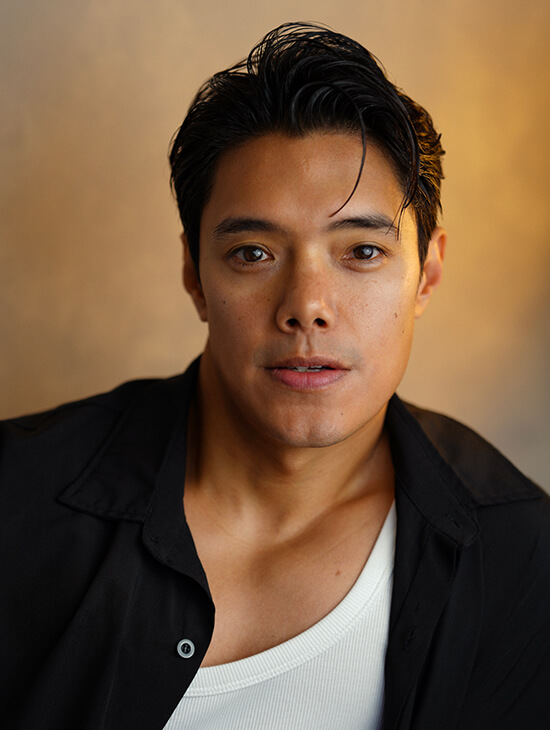
People often say that the lifestyle of a West End actor is closer to that of an athlete. Performing eight (or 12) shows a week demands far more than physical capability. It asks for stamina, recovery, emotional regulation, and mental clarity. From the outside, the work can look glamorous and easy, but what people don’t see is the care and sacrifice required to sustain both the body and the mind.
Strength, for me now, is about consistency. It’s about showing up night after night with the same level of care, generosity, and intention—honoring the work even on the days when it’s difficult or unglamorous. That, to me, is a deeper kind of strength, and a more meaningful version of the hero I once imagined becoming.
Your breakout role as Light Yagami in Death Note was vocally and emotionally demanding. Does physical fitness help you sustain those high-belt vocals?
One hundred percent. I’m a big believer in Mike Alfreds’ “actioning” philosophy, which teaches that acting is, at its core, the art of action. And action requires intention—fully embodied, not just intellectually understood. So for me, emotional truth, vocal freedom, and physical connection are all part of the same conversation.
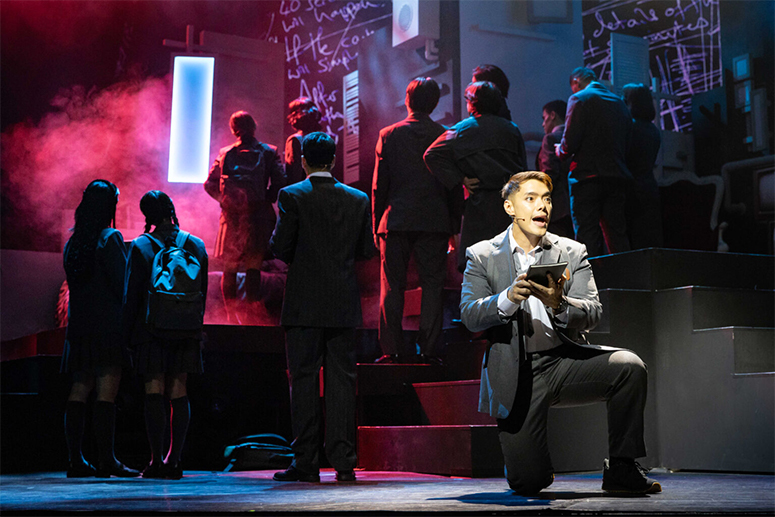
Singing demanding material like Death Note—especially those high belts—is never just about the voice. The freedom to sing healthily at that level is directly proportional to how connected you are to your entire body, and that connection centers at the core. When the body is grounded and available, the voice can respond without force. Vocal stamina and vocal health are inseparable from overall physical health.
That philosophy is exactly what sits at the heart of my musical theater masterclass, ‘‘Sound and Fury: Signify Something.’’ It’s a psychophysical, action-led approach that treats the actor as a whole system—mind, body, voice, and intention working together. The goal is not just to sound good, but to create performances that are real, responsive, and repeatable, even under the most demanding conditions.
Do you find that the discipline required in bodybuilding helps you handle the mental discipline required to accept rejection in theater?
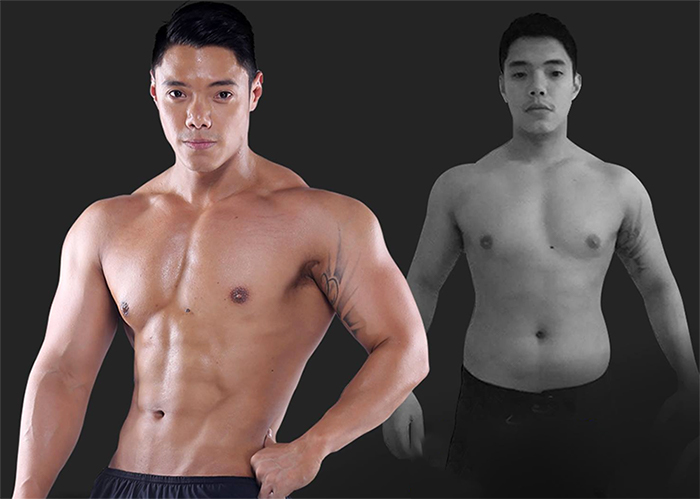
Bodybuilding has taught me that things almost always get harder before they get easier. You can’t build muscle without first breaking those fibers down, and I’ve found that the industry works in much the same way. Rejection is not the exception—it’s the norm.
What training has given me is perspective. You learn very quickly not to be defined by every “no,” but also not to be numbed by them
Instead of being limited by rejection, I’ve learned to use it as fuel. Failure, for me, is rarely an ending—it’s usually a starting point, a signal to adjust, refocus, and keep going. That’s why the gym isn’t just a hobby or a side interest in my life—it’s a lifestyle. The discipline, patience, and resilience you build alongside your body shape your character as well. And interestingly, when I hit a new personal best in the gym or finally book a job I’ve worked hard for, the satisfaction feels remarkably similar. Both moments are reminders that consistency, belief, and showing up day after day really do compound over time.
Do you allow yourself to cheat while you are here, or are you strict with your macros even on vacation?
My biggest weakness is fat and flavor—and in the Philippines, that usually comes with a lot of rice to soak up all the sauce. That’s the real danger zone for me. Instead of being overly strict, I’ve focused on the basics. I’m very conscious of how much water I’m drinking each day. I also try to center every meal around a clean source of protein and plenty of vegetables. I’ve stopped drinking alcohol since last year, which helps, and I mostly stay away from fried food... with the occasional bite, of course.
What is the one Filipino dish you absolutely cannot say no to, regardless of the calorie count?
It’s definitely harder to eat clean in Manila—and I say that with a lot of love. Filipino food is all about flavor, comfort, and dishes that are meant to be shared: rich stews, bold sauces, meals that stretch on because no one wants to leave the table. Food sits right at the heart of our culture, and with it comes memory and connection. Eating here is emotional, social, and slightly dangerous if you love rice as much as I do. I’m in a constant state of meal-prep, with indulgence reserved for the occasional celebration or win. I love cooking Filipino food—leche flan, adobo, kare-kare—but if I’m being completely honest, the one dish I can never resist, no matter the calorie count, is sinigang. Some rules are made to be broken.