

Lugaw and other Pinoy favorites: How to keep the comfort without the guilt
Lugaw, arroz caldo, pospas, congee—no matter what name it goes by, this warm, humble bowl of rice porridge spells comfort for many Filipinos. Whether you’re under the weather, bone-tired, emotionally drained, or just feeling chilly, lugaw is the dish that cradles you: simple, soft, and familiar.
But in today’s world of wellness culture, comfort food like lugaw often ends up under scrutiny. Low-carb diets urge us to avoid rice altogether. Keto fans swap out porridge for protein. Intermittent fasting makes us wait until noon. And if you’re chasing gut health or muscle gains, lugaw isn’t usually at the top of the list.
So where does that leave our beloved bowl of rice in a world obsessed with macros, glycemic indexes, and #guthealth?
The answer isn’t to give it up, but to understand what it really offers and how we can tweak it without stripping away its soul.
Nourishment for the heart—but what about the body?
Lugaw is more than just food; it’s a feeling. It's what many of us were served by our grandmothers when we had a fever. It’s easy on the stomach, easy on the budget, and feels like coming home. Nutritionally, though, it’s mostly rice and water, which means it’s heavy on carbs and light on pretty much everything else.
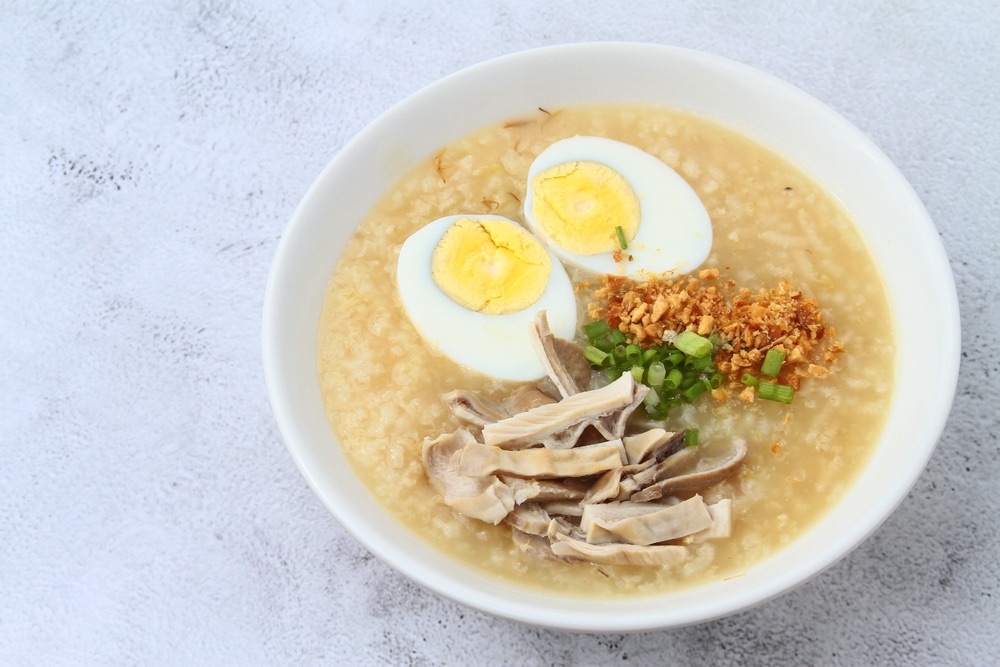
Plain white rice, especially when cooked into a porridge, has a high glycemic index. This means it raises your blood sugar quickly—and leaves you hungry again not long after. From a nutritional standpoint, that’s not ideal.
But lugaw has range.
Arroz caldo, for example, takes things up a notch with ginger (an anti-inflammatory), garlic (immune-supporting), and chicken (protein). Toss in a boiled egg, a squeeze of calamansi, and fresh scallions, and it’s a much more balanced meal. Pospas, a Visayan version, tends to use more chicken and less oil—another small but meaningful upgrade.
Still, even the most dressed-up bowl remains primarily a carbohydrate dish. And while that’s not a bad thing, especially if you’re recovering from illness or need something soothing and affordable, it’s worth thinking about how it fits into a broader nutrition picture.
That doesn’t mean we need to reinvent it. It just means we can make space for small improvements that help it nourish not just our memories, but our bodies, too.
Comfort food under the microscope
Lugaw isn’t the only Filipino dish packed with emotion, but short on nutrients. A quick glance at other staples shows a similar pattern: big on comfort, not always big on balance. Here are some small changes that can go a long way and give your favorites a more nutritional punch.
Champorado
A rainy-day classic, this chocolate rice porridge is rich in nostalgia, but low in protein and fiber. It’s mostly carbs and sugar.
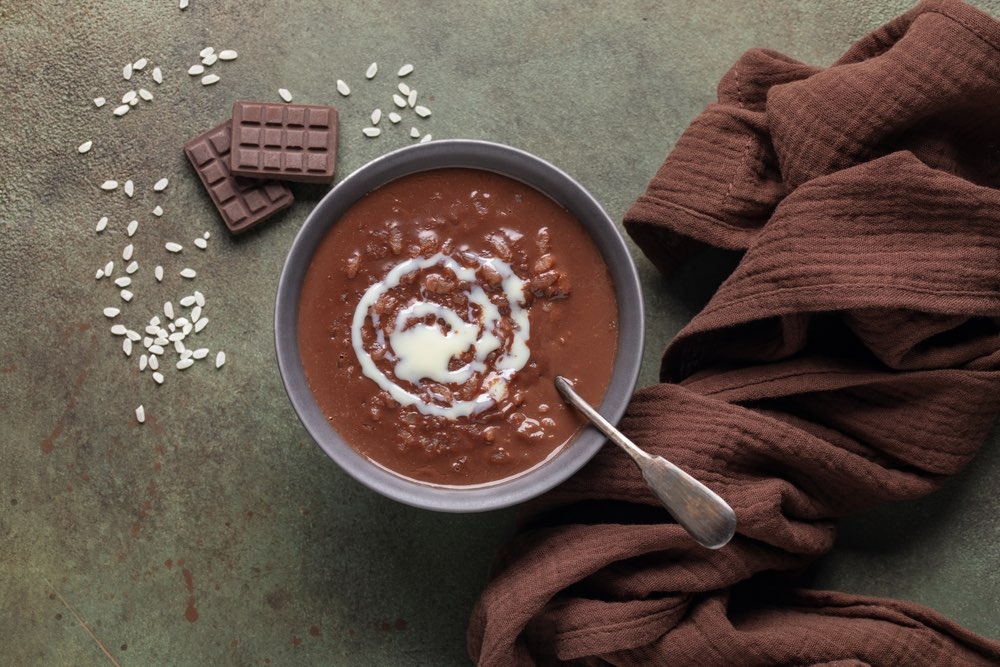
Try this: Cut back on sugar or try coconut sugar, swap in dark tablea, stir in chia seeds, and finish with milk or nut butter for added texture and staying power.
Taho
This is sweetened tofu with syrup and sago pearls—plant-based and undeniably joyful, but usually drenched in sugar.

Try this: Ask your local vendor to go easy on the arnibal, or make your own with extra tofu and a lighter syrup. A pinch of sea salt or some fresh fruit can add flavor complexity and balance.
Pandesal
Soft and nostalgic, pandesal is often made with refined flour and has little nutritional value.

Try this: Look for whole wheat versions when possible. Fill with eggs, cheese, tuna, or nut butters instead of margarine to add protein and healthy fats.
Bibingka and kakanin
Rice cakes are culturally beloved and gluten-free, but are usually high in sugar and fat.
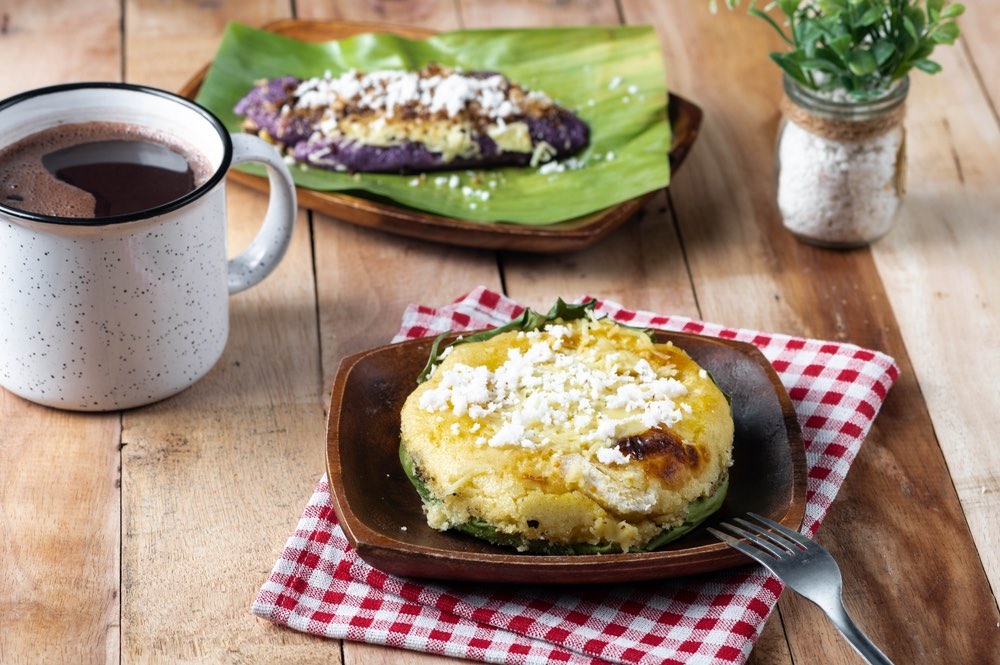
Try this: Treat them as occasional indulgences. Add fruit or unsweetened coconut on the side to balance the richness.
Instant noodles and canned sardines
Instant noodles and canned sardines are accessible and satisfying, especially during hard times—but are often high in sodium and lacking nutrients.
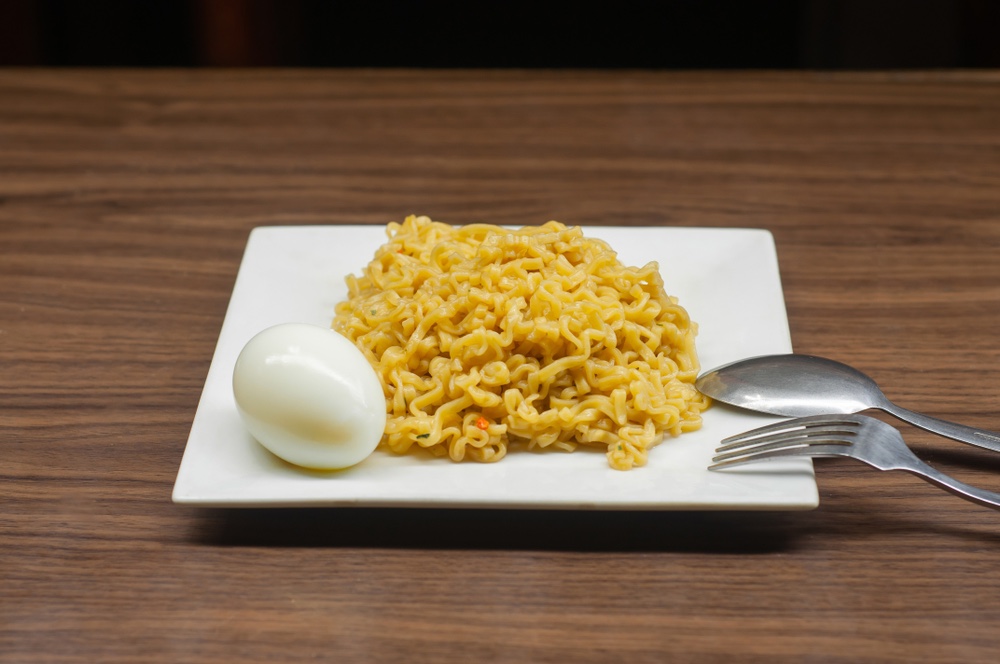
Try this: Use only half the seasoning, mix in leafy greens or sautéed, and pair with an egg or brown rice to turn them into a more complete meal.
Remember: It’s not about perfection
Our comfort food may not be trend-proof, but that doesn’t mean it’s obsolete. Nutrition isn’t all-or-nothing. It’s a spectrum, and even traditional dishes can be gently adjusted to better support our health.
The point isn’t to swap lugaw for a kale smoothie. It’s to look at what we already love, and ask: How can this dish serve me better—without losing what makes it special?
Sometimes the answer is adding a boiled egg. Sometimes it’s skipping half the syrup. Sometimes it’s just being aware of how often we’re reaching for something that’s more emotional than nourishing—and balancing it with something that offers both.
Because the healthiest diet isn’t one that rejects culture or joy. It’s one that makes room for both.