

Can you eat like your grandma and still be fit?
For many Filipinos, our lola’s cooking is our love language. But in a world increasingly focused on macros, low-sugar swaps, and intermittent fasting, one question stands out: Can you eat like your grandma and still be fit?
The answer is yes! All you need is a little mindfulness.
Most of our heritage dishes didn’t start in restaurants; they started in warm and cozy kitchens, crafted from what was fresh, affordable, and available. These meals are rooted in real food: vegetables from the market, fish recently caught, rice from the fields, and broths simmered with care.
Many classic Filipino recipes are already naturally nutritious. Think sinigang made with heaps of kangkong and labanos, or pinakbet simmered with calabasa and ampalaya. There's also tinola, with its clear broth, malunggay, and ginger. These are the kind of meals nutritionists praise for being balanced and hydrating.
Now, where did we go sideways?
Modern lifestyles aren’t what they used to be. Our grandparents often walked more, worked outdoors, and ate homecooked meals daily. Now, many of us sit at desks for hours and order sisig with extra rice online at 9 p.m.
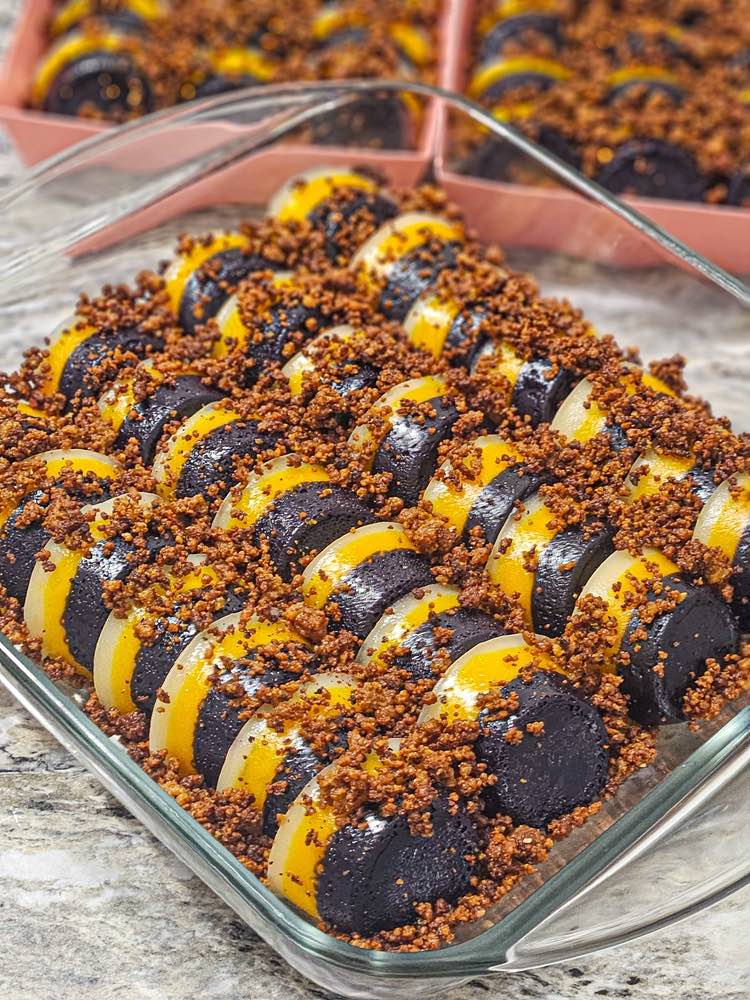
Many classic dishes have also gotten heavier over time: more oil, more sugar, more sodium. The adobo of today might be fried and twice as sweet. Even kakanin (rice cakes and other traditional snacks) have grown larger, sweeter, and more commercialized than their humble, homemade roots.
How to enjoy traditional dishes without the guilt
Let’s be clear: There’s no need to erase tradition in pursuit of fitness. Instead, try these simple adjustments:
Go heavy on vegetables
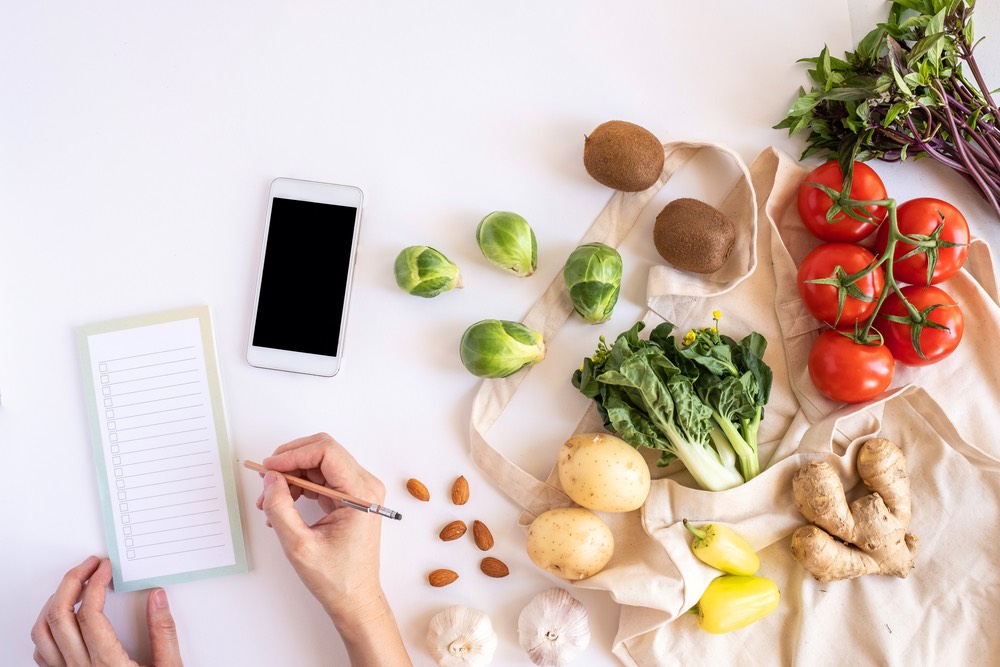
Bulk up ginisang gulay, pinakbet, or sinigang with more local produce. Veggies like talbos ng kamote, okra, malunggay, and ampalaya are high in fiber and nutrients, and are pretty affordable.
Switch up cooking methods
Steam or grill instead of deep-frying. If your grandma’s lumpiang shanghai is non-negotiable, maybe make a smaller batch and serve it with a big side salad. There’s no need to get yourself an air fryer, but if you happen to already have one at home, that’s a great way to use way less oil and still get food crispy and even flaky.
Use smarter swaps
In many cases, experimenting with substitutes can be fun, and you might just learn that there are other ways to make your favorites even better.
- Coconut milk: Try using less, or a lighter version, or mix it with non-fat milk.
- White rice: If you really can’t live without it, you can mix it with brown, red, or black rice for more fiber. Decrease the white rice little by little.
- Patis or bagoong: Use this mindfully! They’re flavorful, so a little goes a long way.
- Bouillon cubes: If you’re a fan of flavoring your dishes with bouillon cubes, you might want to try switching to vegetable bouillon instead.
Check the ingredients list—there are some that are low-sodium, MSG-free, and preservative-free.
Mind your portions
Enjoy your favorite dishes in lola-sized portions, and not buffet-style servings.
Remember: Tikim-tikim can be more satisfying than sagad-sagad.
Honor the meal itself, not just the calories
Slow down. Cook with intention. Set the table with an attractive plate and a big glass for water; maybe even light a candle while you eat. These small rituals make meals more meaningful, and often, you end up eating less.
Unfortunately, studies show that if you watch TV while you eat, you may very well end up eating more.
Fitness is also cultural wellness
Being “fit” doesn’t mean giving up your heritage. It means finding ways to honor it, adapt it, and pass it on—healthy, flavorful, and proudly Filipino. You don’t need a diet that erases tradition. You need one that includes it: smartly, joyfully, and with full respect for the hands that fed you.
So yes, you can eat like your grandma and still be fit. In fact, it might even be one of the healthiest things you can do.