

Hats off to Mich Dulce: The sculptural art of millinery
Every year, Art Fair Philippines’ “10 Days of Art” celebrates contemporary art in public spaces around the city. This delightful gesture takes art out of enclosed galleries and museums, and directly to the people in malls, parks, underground walkways, and transport terminals.
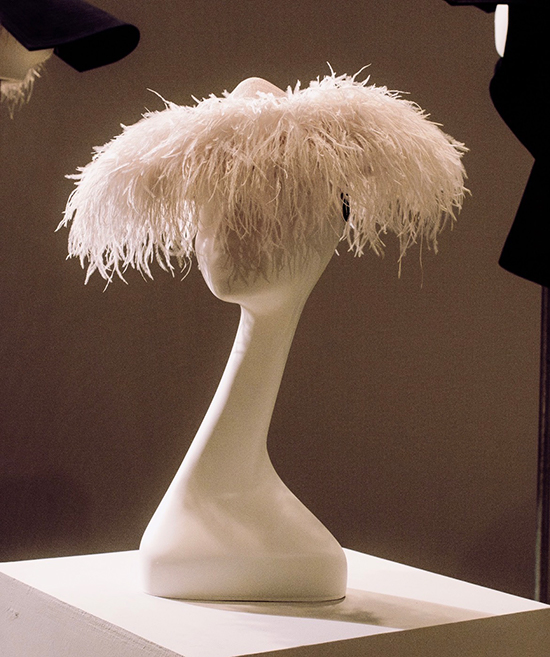
One of the most unusual exhibits taking place during “10 Days of Art” is that of fashion designer and milliner Mich Dulce. “Nagsasalitang Ulo (Talking Heads)” is an exhibit of hats elevated to high art, and each sculptural headpiece reflects an aspect of Philippine culture, geography, traditions, tourist spots, and events in a highly sophisticated way. Painstaking detailing and exquisite Filipino materials turn each conceptual piece into an object of art. It took her a month to create each stunning hat.
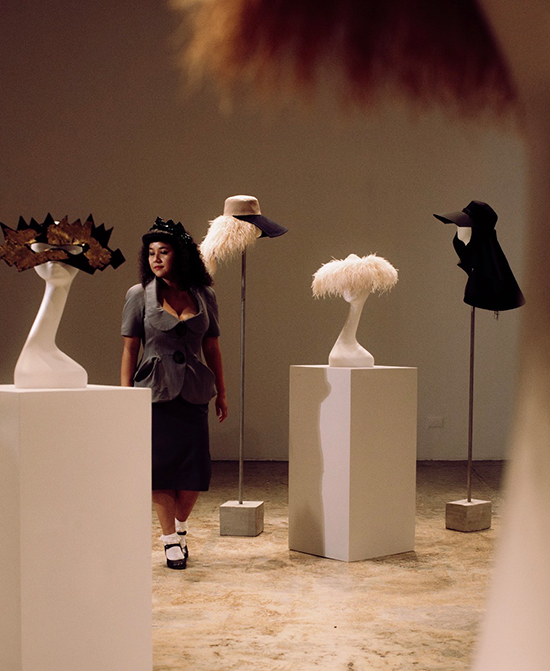
“I was determining what the Filipino hat shape should be,” muses Mich. “If you think about a Filipino hat, you probably think only of the salakot.” Ironically, it was her British training in millinery and her work as industry mentor for the Chanel and The King’s Foundation that led her to explore the identity of Filipinos in the world of hats. She had also designed for Maison Michel Paris, which creates hats for Chanel.
Based in London, she works for King Charles, teaching hat design as part of the king’s initiative to sustain traditional craft in the UK.
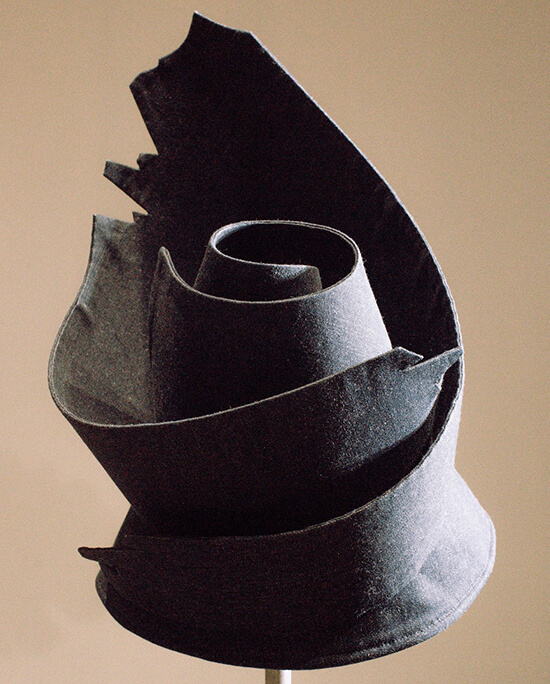
“I worked with a lot of milliners in the UK,” Mich explains. “I worked with Noel Stewart, who did the hats for Balenciaga, and with Awon Golding, who did the hats for Roberto Coin. I was within this ecosystem of Britishness, and it was really an interesting place to be.
“But it was a question of identity—what am I in this system? Because when you think about the Philippines in a global world of hat making, we’re just hat suppliers. We supply the abaca, buntal, sinamay, the pinukpok. We’re a big part of the global hat trade, but we’re not really seen as the creative force. That started a framework of thinking about history and culture and how these influence the shape of hats.”
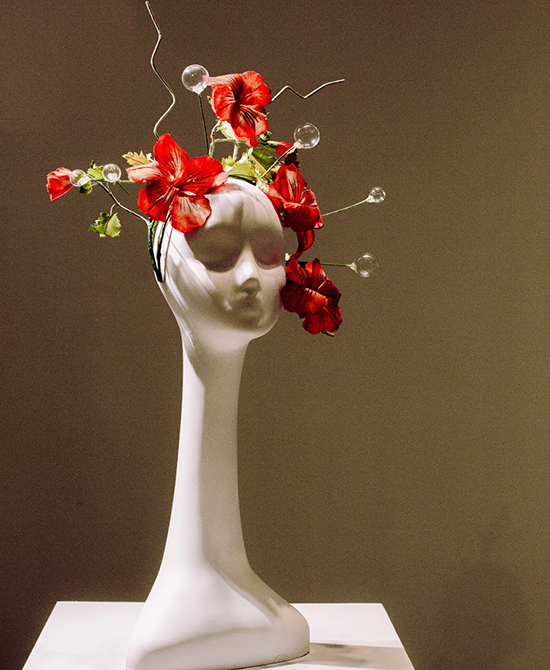
She explains, “Nagsasalitang Ulo” is a series of 20 hats which range from the traditional headgear of the Ivatans to traditions like Palm Sunday, the Pahiyas festival, and my childhood game of blowing bubbles out of crushed gumamelas. Visitors to her space at the Greenbelt 5 Gallery from Jan. 30 to Feb. 8 will find her there with her archives. “They have a chance to get anything bespoke, but much more than that, it’s to be able to interact with people.”
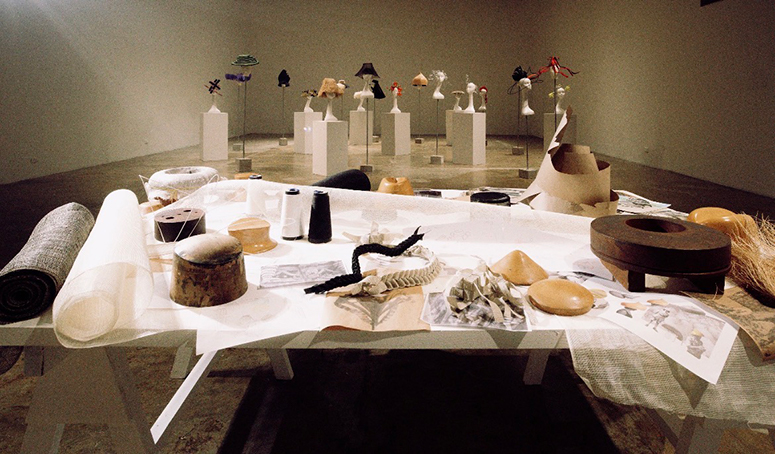
Filipinos might wonder how a local fashion designer became so deeply involved in the world of hat making, producing an exhibition of pieces that are delightful, surprising, thought-provoking, and yes, possibly wearable. The joy is in studying each piece to decipher what aspect of Philippine identity inspired it. Some are obvious; some are not.
“I’ve loved hats ever since I was a child,” Mich says with a smile. She collected hats in her travels and wore the hats in her collection. “When I went to Morocco, I bought a fez. I’d buy the hat of wherever we went.”
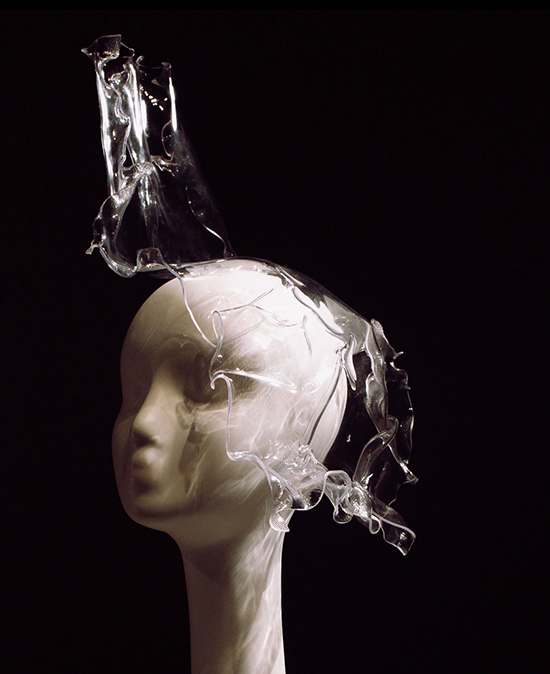
As a fashion designer, she wanted to create hats for her collections. Top stylist Michael Salientes encouraged her to formally study millinery. Yet while she has been immersed in the techniques and traditions of British hat making—passing those skills now to others through the foundation of King Charles—she has also paid it forward to the sources of hat materials in the Philippines.
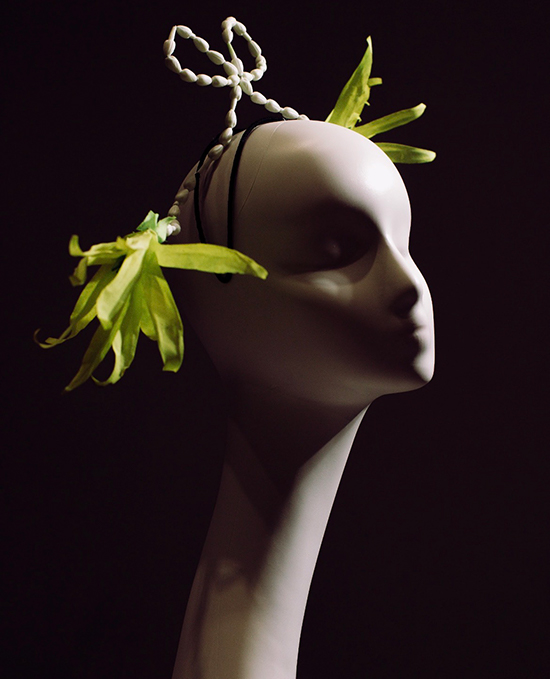
“Tinalak is my most favorite hat material of all time, and I worked with Leni Robredo, going often to South Cotobato to see the weavers and help them with issues of sustainability,” she recalls. The weavers loved the fact that she used tinalak for hats. “Patterns come to them in their dreams—that’s why they’re called the ‘dream weavers.‘ It’s a sacred material. Since hats are worn close to the head, it’s like you’re talking to God. They would not like it if, for example, you used it for shoes.” She believes Filipinos should take the time to know the provenance of the materials they use.
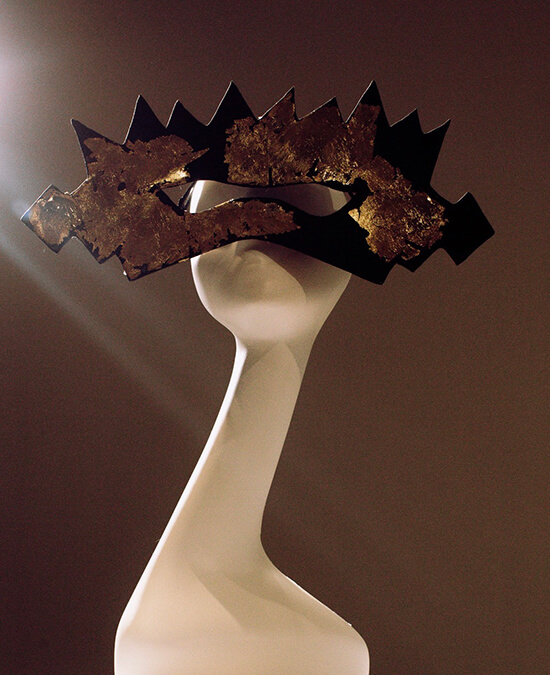
Having this hat exhibit for “10 Days of Art” at Greenbelt, she begins a new journey where another one ends.
“My first-ever hat show was also here at Greenbelt, a collaboration with Leeroy New for the British Council,” says Mich. “The start of my hat journey is also about the closure of my Manila studio.” Her long-time, right-hand sewer is retiring. Without her, Mich cannot continue to operate the studio from London.
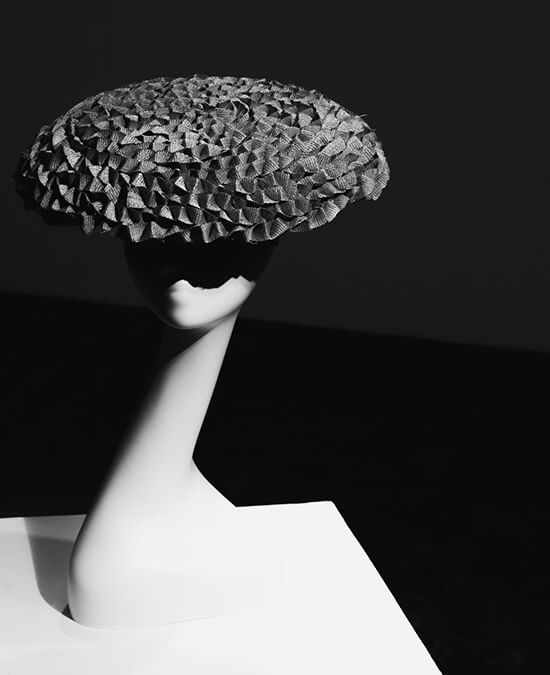
The Catholic tradition of Palm Sunday is the story of this headpiece.
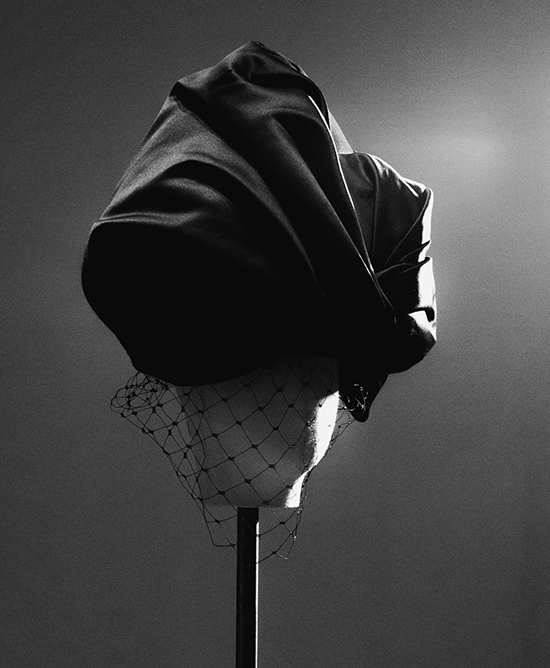
A pre-colonial head wrap inspires this piece.
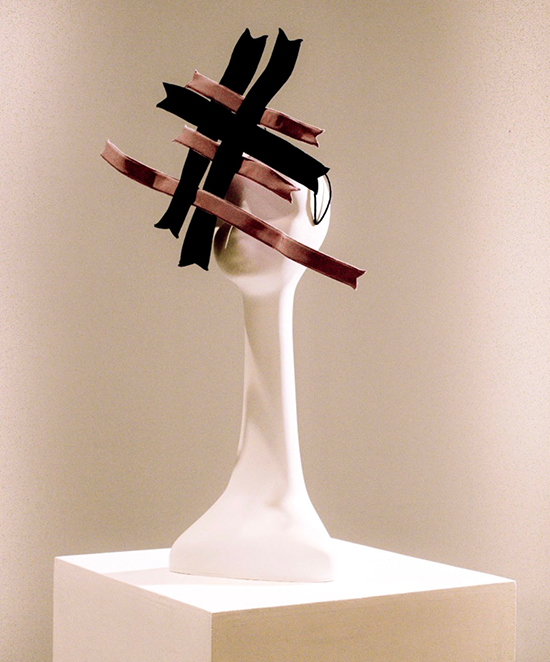
Banig, a woven material used for mats, becomes this elegant hat in the hands of milliner Mich Dulce.
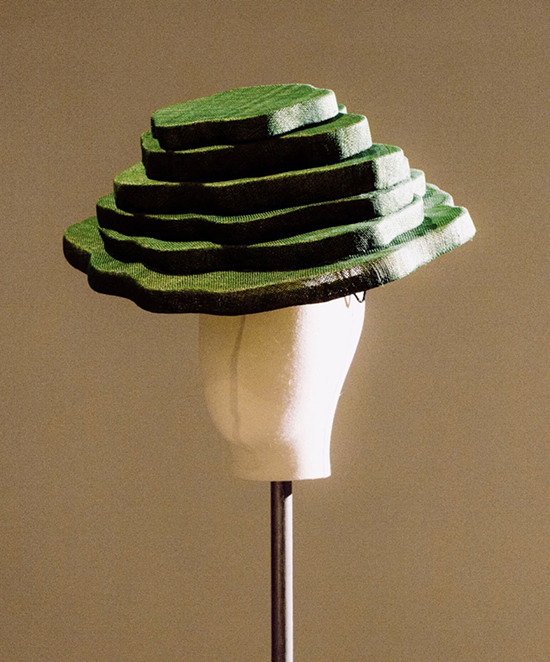
Clearly inspired by the rice terraces of the north, especially in Ifugao and Mountain Province
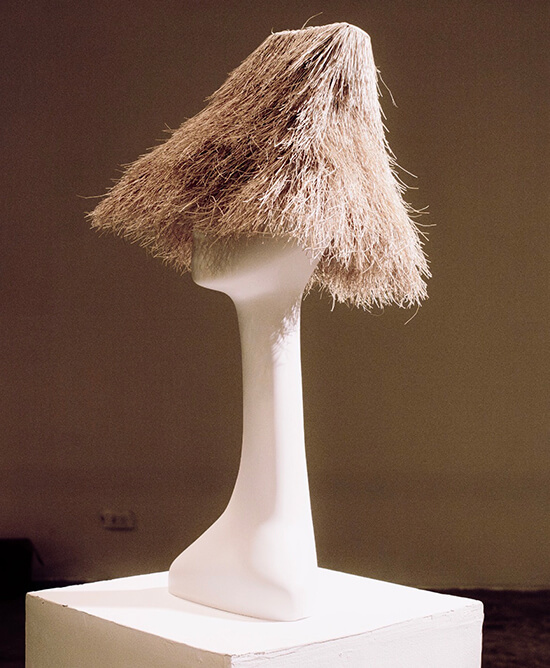
The nipa hut’s thatched roof is the rationale behind this hat.
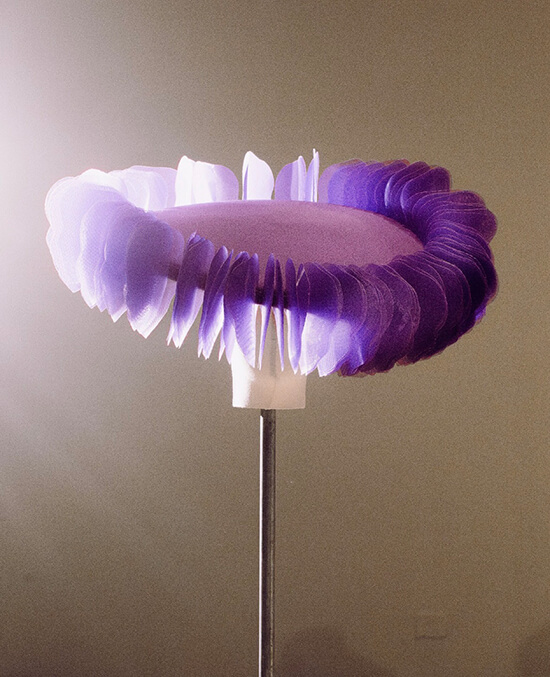
The Pahiyas is inspired by the festival of Lucban, Quezon, when houses are decorated with colorful rice wafers.
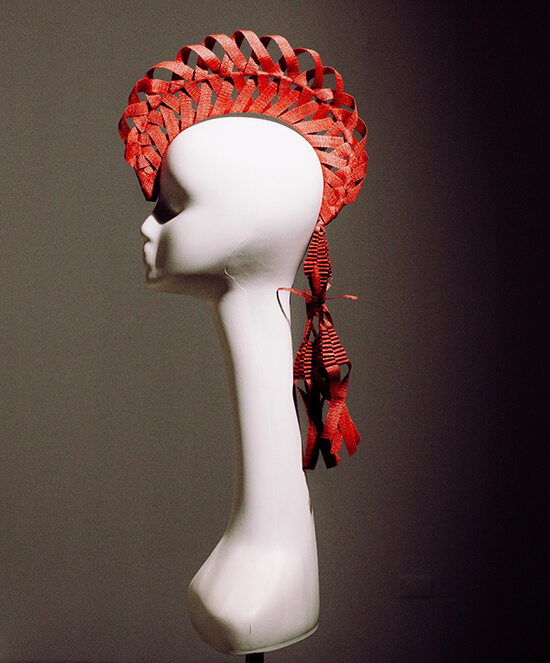
The Salakot inspires this braided headpiece with tassels at the back
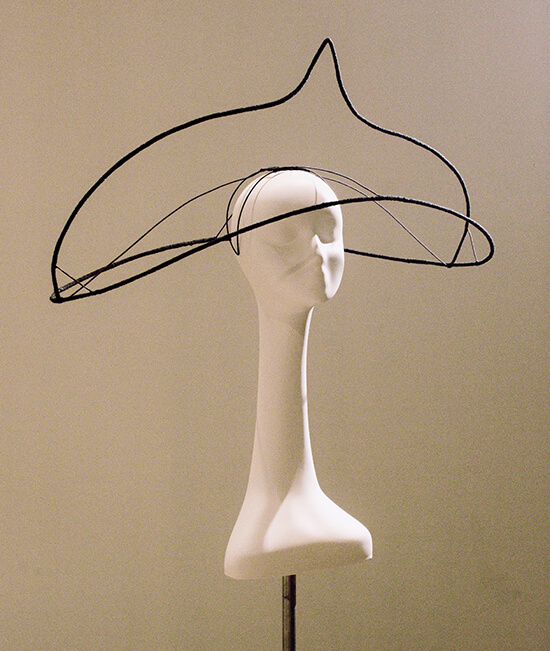
The salakot can be seen in the outlines of this striking headpiece.
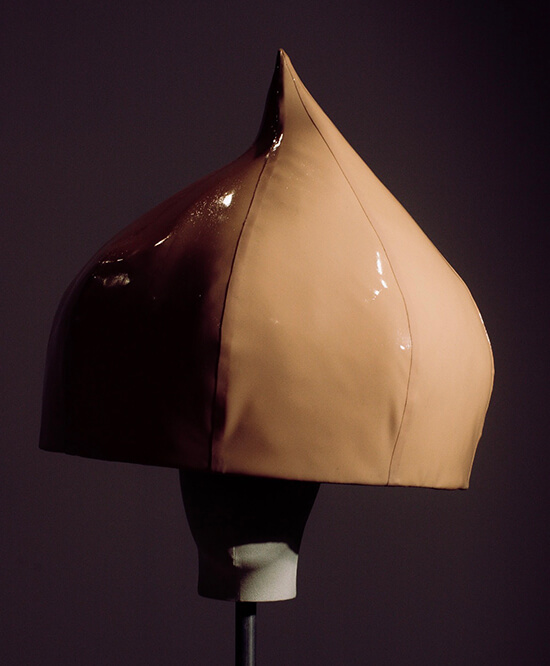
The Tabungaw is a traditional Filipino hat made from hollowed gourds, once used by farmers, schoolchildren, and even revolutionaries in the Spanish era.
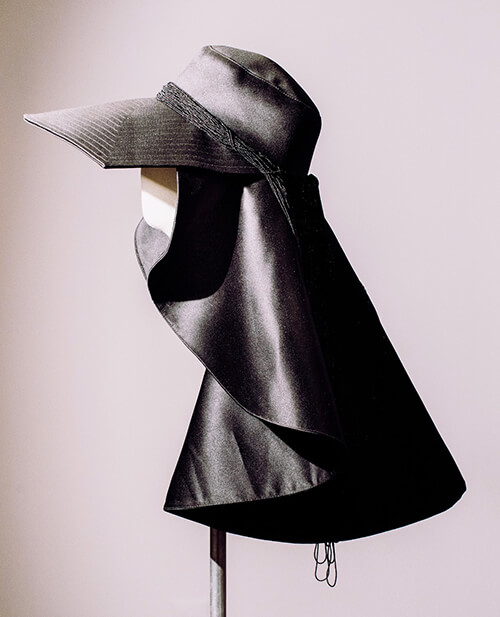
The Vakul inspires this elegant headpiece
Vakul, inspired by the dome-shaped headpiece made from the vuy- avuy palm to protect Ivatan farmers in Batanes from the sun and rain.
The Catholic tradition of Palm Sunday is the story of this headpiece.
A pre-colonial head wrap inspires this piece.
Banig, a woven material used for mats, becomes this elegant hat in the hands of milliner Mich Dulce.
Clearly inspired by the rice terraces of the north, especially in Ifugao and Mountain Province
The nipa hut’s thatched roof is the rationale behind this hat.
The Pahiyas is inspired by the festival of Lucban, Quezon, when houses are decorated with colorful rice wafers.
The Salakot inspires this braided headpiece with tassels at the back
The salakot can be seen in the outlines of this striking headpiece.
The Tabungaw is a traditional Filipino hat made from hollowed gourds, once used by farmers, schoolchildren, and even revolutionaries in the Spanish era.
The Vakul inspires this elegant headpiece
Vakul, inspired by the dome-shaped headpiece made from the vuy- avuy palm to protect Ivatan farmers in Batanes from the sun and rain.
CLOSE
But then, “Nagsasalitang Ulo” will be traveling to London next—and who knows where this new part of the journey will take her?