

Chasing the glow in the land of glass skin
Manila has no shortage of excellent skin clinics. You can step into one for a “quick glow” and walk out an hour later looking suspiciously well-rested. But curiosity—and the perpetual dark circle—led me to Seoul, where skincare is more than a self-care ritual. It’s a cultural export, an economic force, and, for many beauty pilgrims, a destination in itself.
And no, it wasn’t just vanity. It was part research, part self-care, part story-hunting—which, in the world of lifestyle journalism, is really just another way of saying “Tuesday.”
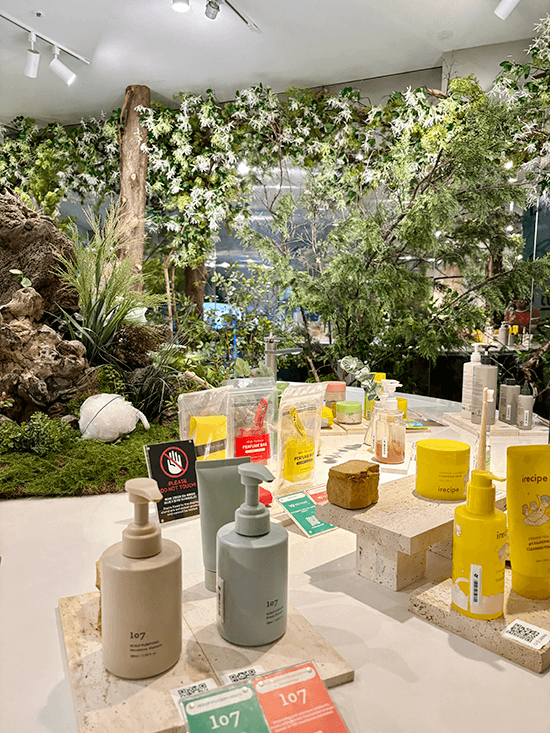
Over the last two decades, Korean skincare has grown from a local beauty philosophy into a global movement. What began as a quiet devotion to clear, healthy skin has become one of Korea’s most powerful soft power exports—right up there with K-pop and K-dramas. The world now looks to Seoul not just for style, but for skin.
Consider this: Korea’s beauty and personal care industry is big business. It’s projected to generate about $15.7 billion in revenue in 2025, with skincare alone accounting for roughly $9.6 billion, according to Statista. This isn’t just glowing skin culture—it’s an economic engine.
Even global celebrities have joined the pilgrimage. Kim Kardashian reportedly underwent stem cell facial and RF microneedling in Seoul on a visit in August. The city has hosted an endless stream of influencers, beauty editors, and curious travelers looking for the next big innovation in skincare. Korean dermatology has become shorthand for precision—where science, culture, and aesthetics meet under flattering LED light.
That same reputation has made Korea a magnet for beauty tourists—including many Filipinos—who find that even with airfare and hotel, treatments can cost less than half of what they would back home. What feels indulgent in Makati can feel almost routine in Seoul. (Bonus: you can claim a tax refund at the airport for your skin treatment.)
The rise of K-beauty is often traced back to its now-iconic multistep skincare routine—10 steps, sometimes more, depending on who you ask. What seemed excessive at first was really just structure: a deliberate, layered approach to skin health, grounded in the idea that beauty is a daily habit, not a miracle cure. From this came a wave of global innovation—sheet masks, ampoules, cushion compacts, and ingredients like snail mucin and fermented essences, now found on vanities around the world.
K-beauty didn’t just change the products we use; it changed how we think about skincare. It made glow the new goal, and prevention the new luxury.
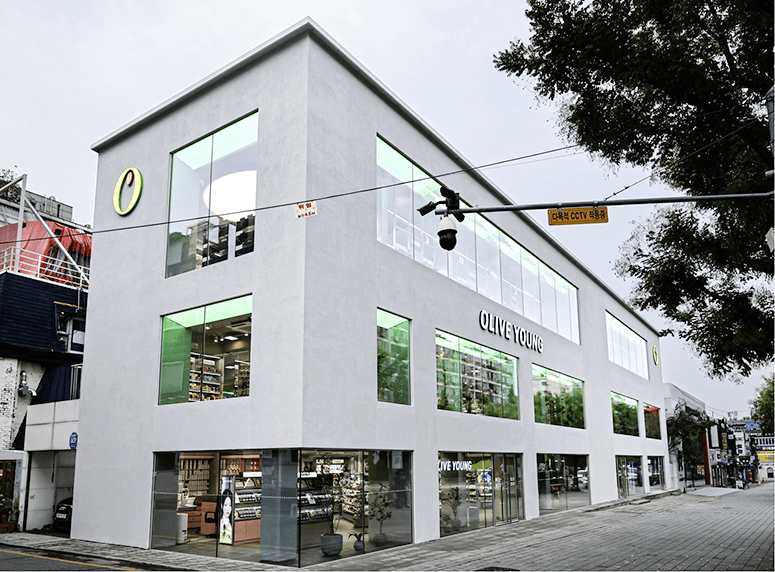
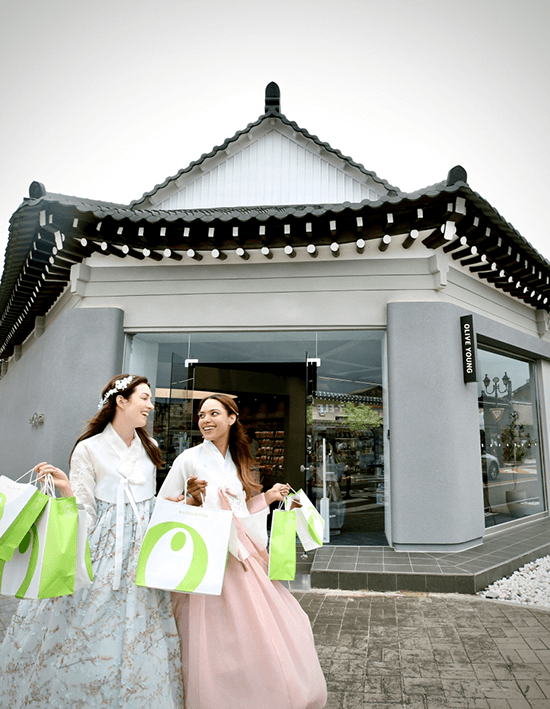
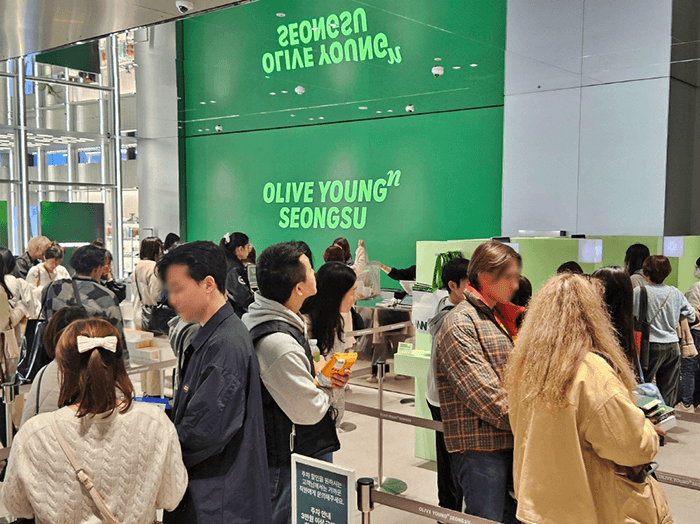
Nowhere is this devotion more visible than at Olive Young, Korea’s ubiquitous beauty mecca. Step inside and it’s a sensory whirlwind: Rows of serums, toners, and creams, each promising a different kind of luminosity. Shoppers move between shelves like sommeliers comparing vintages, while staff buzz around with barcode scanners and free samples. It’s part skincare lab, part cultural experience.
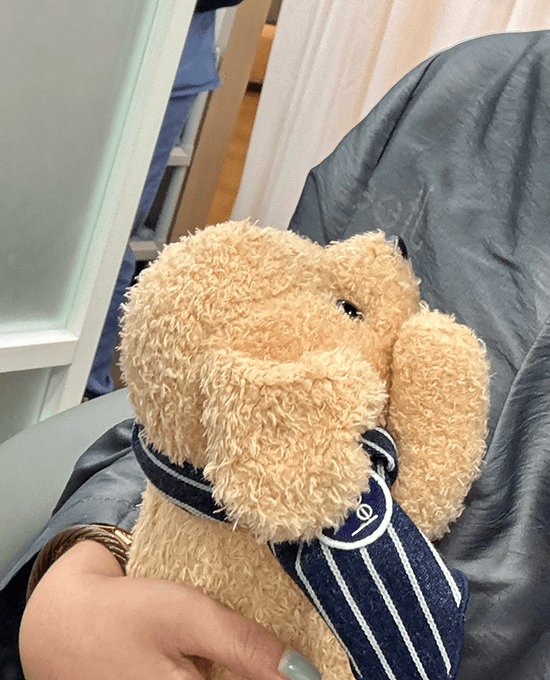
Skincare fluency in Korea starts young, but it’s the entire under-30 crowd that shops Olive Young like it’s a stock exchange—trading serums, chasing ingredient trends, and knowing exactly what percentage of niacinamide their skin needs. And if you’re a middle-aged shopper eyeing that TikTok-famous essence, don’t be alarmed when an ahjumma sales rep materializes out of nowhere to lovingly—but firmly—redirect you to an intensive lifting cream instead. It’s not shade—it’s service.
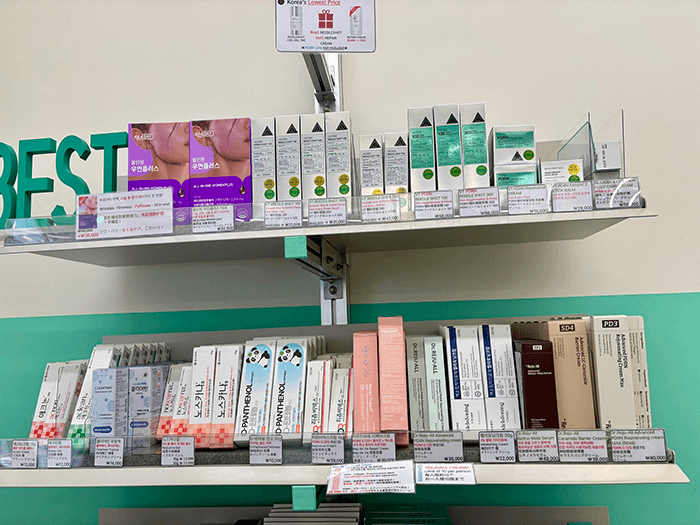
And as with everything in Korea, the trends move fast. Once-overlooked pharmacy brands are now the stars, praised for their minimalist packaging and science-forward formulas. The latest obsession? PDRN—polydeoxyribonucleotide sodium—an ingredient derived from salmon DNA, loved for its skin-regenerating power. Once exclusive to clinics, it’s now found in serums proudly displayed in drugstores. Innovation doesn’t just trickle down here; it pours.
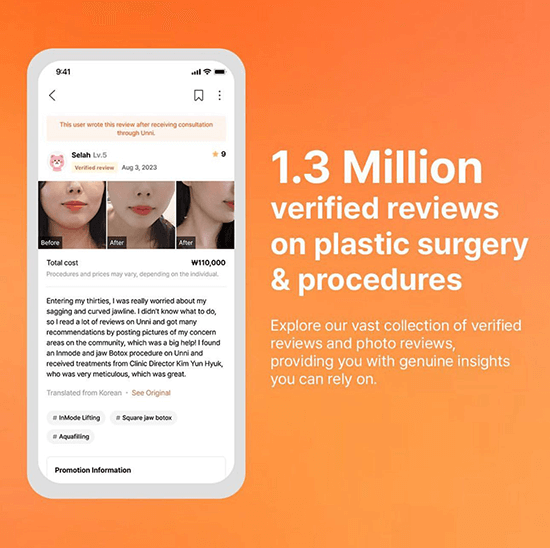
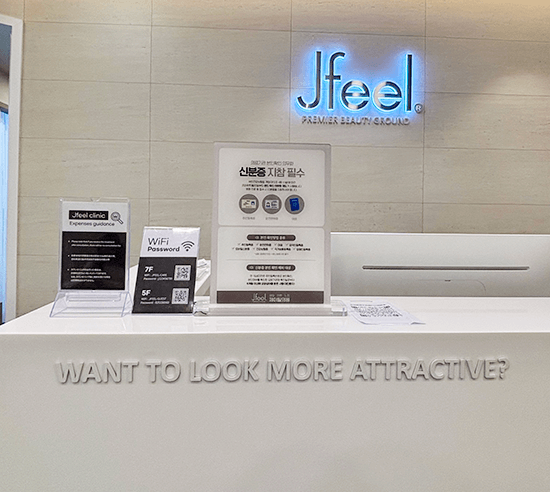
Still, the heart of K-beauty remains in its clinics—those sleek, softly lit spaces where transformation feels almost procedural. For anyone curious to experience it firsthand, a bit of research goes a long way. I used the Unni app, which works like the Airbnb of aesthetic clinics—complete with reviews, before-and-after photos, price comparisons, and English-language support. You can filter by treatment type, location, and recovery time—a crucial feature if you’re on a tight itinerary with selfies to take.
You can’t fault Koreans for their level of professionalism and expertise. The clinic I visited was staffed with English-speaking doctors and translators, so don’t worry if your Korean vocabulary stops at annyeonghaseyo. (But maybe don’t call your doctor oppa, either.)
If there’s one thing that stands out in all of this, it’s how deeply K-beauty reflects Korean culture. The same values that shape Korea’s global image—discipline, innovation, precision—are all there, from the multistep nightly ritual to the dermatologist’s chair. It’s less about vanity than about respect: for your skin, for the process, for yourself.
Yes, we have outstanding dermatologists and clinics in Manila—no question. But there’s something about seeing a phenomenon at its source that brings a new kind of perspective. Korea didn’t just invent new products; it built a movement. One that turned skincare into both a cultural expression and an act of devotion.
So yes, I went to Seoul in the name of research. And if my luggage came home slightly heavier with serums and ampoules—well, that’s just professional curiosity.