Should we cancel celebrities whose political views differ from ours?

Every week, PhilSTAR L!fe explores issues and topics from the perspectives of different age groups, encouraging healthy but meaningful conversations on why they matter. This is Generations by our Gen Z columnist Angel Martinez.
Never underestimate Gen Z’s ability to dig up dirt.
Following former Pinoy Big Brother: Celebrity Collab housemate Shuvee Etrata’s absence from the recently concluded anti-corruption rallies, online sleuths got to work and audited her social media accounts for any trace of political content. I don’t think they expected to find clips from her TikTok Live from last March, where she expressed sympathy for former president Rodrigo Duterte after he was arrested by the International Criminal Court. In the video, Etrata told the camera that she cried for him, having witnessed how he eradicated her community’s drug problem.
Celebrities routinely get away with controversial statements like this. We give excuses, we coddle them, we forget with the passage of time in favor of more pressing issues. Others might not even know who I’m talking about and believe that this issue is beneath them. But the consequences could be problematic, if we choose to let this slide. Just take a look at the comments under Etrata’s most recent TikToks, full of emboldened DDS around my age, telling her to hold her head high in the face of “haters.” We should learn to respect her opinion, they say, rather than define her for just one aspect of who she is.
I honestly don’t think it’s that simple. I think we have to be more firm about deplatforming those whose political views come from a place of misinformation or privilege.
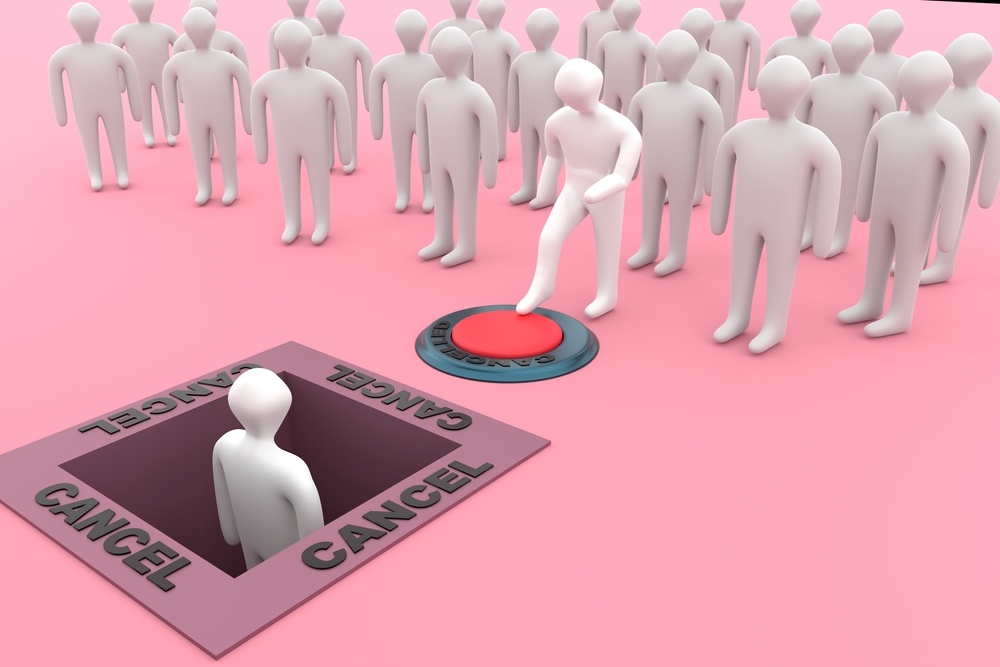
It is true that cancel culture has been viewed with more nuance—I do so myself in a previous Generations piece. “As humans, we have the capacity for dialectical thinking, which is looking at an issue from multiple perspectives,” clinical psychologist Riyan Portuguez, who goes by Your Millennial Psychologist online, told PhilSTAR L!fe. We see this in the way we view those closest to us: a dad, for instance, who voted red instead of pink during the last presidential election; or a best friend who refuses to participate in anything political. Portuguez cited the social identity theory, the idea that a significant part of our self-concept comes from the groups we’re affiliated with. “You see where these people are coming from, you know that they have certain blind spots, and you know the ways in which you can correct or influence them,” she explained.
But it’s difficult to defend public figures, when we will never be familiar with who they truly are. Their image is curated and packaged and the very industry they’re a part of is built on performance. The mismatch of their words and actions is a case of cognitive dissonance, per Portuguez. In times like this, which the psychologist said causes a “discomfort in contradictions,” she mentioned that “it’s okay to be quick to let them go. Gen Z is comfortable with doing that, as opposed to their boomer and Gen X counterparts who often value loyalty and harmony at the expense of their own comfort.”
We have to acknowledge that these people wield power and influence, even when we don’t take their words seriously. While I don’t need Taylor Swift or Jungkook to speak on behalf of anything before I believe in it, I know that’s not true for other people. Fandom is powerful currency; it’s commonplace for the average supporter to turn to their idols for blueprints on how to live their lives: which products to buy, which events to attend, and yes, which politicians to vote for.
One argument I’ve seen in light of these recent events is that we should exercise compassion and educate those who are from the opposite camp, in hopes that they will join us on the right side of history. But I feel like this only applies to those without the resources required to make informed decisions: for instance, the 34% of Filipino voters who have to resort to accepting money or gifts in exchange of votes to “help with daily expenses”; or the households who still do not have access to the internet.
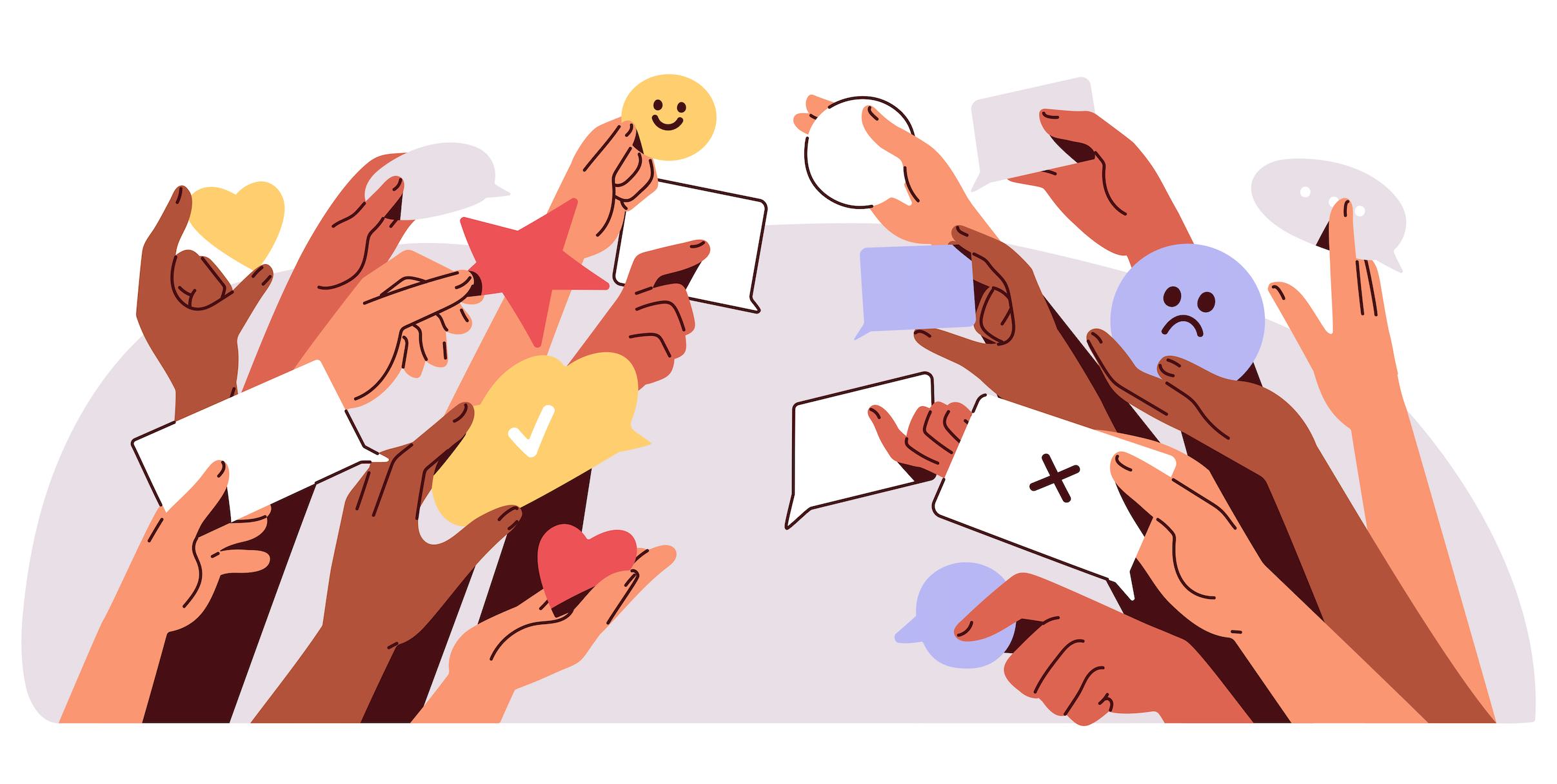
However, it would be unrealistic to expect that we’re responsible for every single person who doesn’t share our political affiliation, most especially public figures who have the time, energy, and access to do better. Meanwhile, they could have learned this themselves but chose not to. They had all the facts yet believed in a distorted reality instead. Some don’t even have the willingness to change, or at least engage with an open mind.
In all politically charged conversations and situations, Portuguez recommends setting boundaries: “Most importantly, because of Gen Z’s increased literacy around mental health concepts, you know [...] which behaviors or views you can and cannot tolerate, and when it’s best to let go because a certain person is already toxic for you.” After all, we have finite energy reserves, and equally limited patience. We can get fed up with family members who refuse to see past their traditional points of view, just like how we unfollow stars whose statements reek of insensitivity.
More importantly, we have to remember that the people we choose to surround ourselves with or stan during our free time say more about us than who we are. Do we really want to support someone who blatantly disregards six years of bloodshed? Who denies the death and destruction wrought by an entire administration? Who has the power to help with its return? I urge my generation to be more strict where it matters, or else we could suffer again for another six years.
Generations by Angel Martinez appears weekly at PhilSTAR L!fe.
Disclaimer: The views expressed in this article are those of the author and do not reflect the opinions of PhilSTAR L!fe, its parent company and affiliates, or its staff.