

From a former Satanist priest to a missionary nun: The 7 new saints canonized by Pope Leo XIV
Pope Leo XIV canonized seven new saints on Oct. 19, including a nun who evangelized a secluded tribe in the Amazon forest and even a former Satanist priest who found his way back to God.
The pope held the solemn ceremony at St. Peter’s Square. This serves as his second canonization since he was elected as the new leader of the 1.4 billion-member Church.
He previously proclaimed English-born Italian teenager Carlo Acutis as a saint. Acutis, a millennial, was a computer programmer born on May 3, 1991, in London. He died of leukemia on Oct. 12, 2006, in Italy, at 15 years old.
Here's what to know about the new saints:
Bartolo Longo
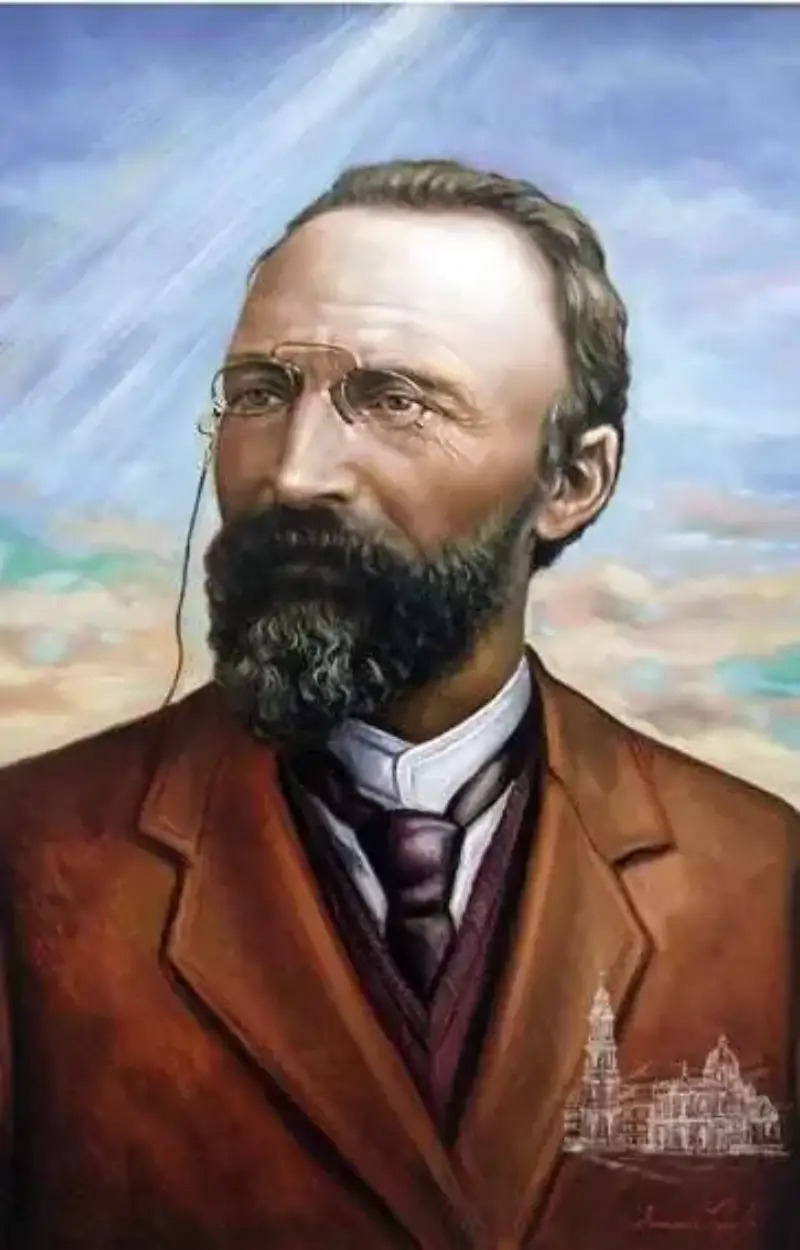
Bartolo Longo was an Italian lawyer who was raised in a Catholic household, but he eventually lost his faith and became an atheist. Later, he was "ordained" as a Satanist priest.
After years of spiritual turmoil and depression, he underwent a dramatic spiritual transformation and returned to being a devout Roman Catholic and was later beatified by the Church.
He dedicated the rest of his life to acts of penance and devotion, especially through the promotion of the Rosary.
Ignatius Choukrallah Maloyan
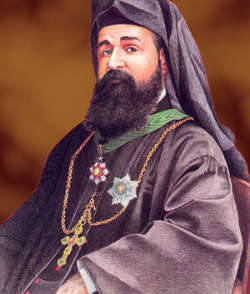
Ignatius Choukrallah Maloyan was an Armenian Catholic archbishop and martyr who was killed during the Armenian Genocide in 1915.
Born in 1869 in Mardin, Ignatius Choukrallah Maloyan entered the seminary at a young age and was ordained a priest in 1896. Known for his deep spirituality and commitment to his faith, he was later appointed Archbishop of Mardin for the Armenian Catholic Church in 1911.
When the Ottoman Empire began its systematic persecution of Armenians during World War I, Maloyan refused to renounce his Christian faith or convert to Islam, despite facing severe threats.
He was eventually arrested and tortured until he was executed by Ottoman soldiers.
Peter To Rot
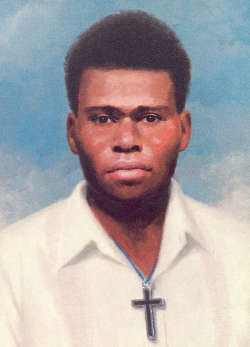
Peter To Rot was a Catholic layman and martyr from Papua New Guinea remembered for his unwavering faith and moral courage during World War II.
He was raised in a devout Catholic family and served as a catechist in his village, playing a key role in the spiritual life of his community.
During the Japanese occupation of Papua New Guinea in World War II, the colonial authorities banned Christian practices and imprisoned missionaries. Despite the risks, Peter To Rot continued to minister secretly—organizing prayer meetings, baptisms, and marriages.
However, he was arrested in 1945 and was executed by the Japanese.
José Gregorio Hernández
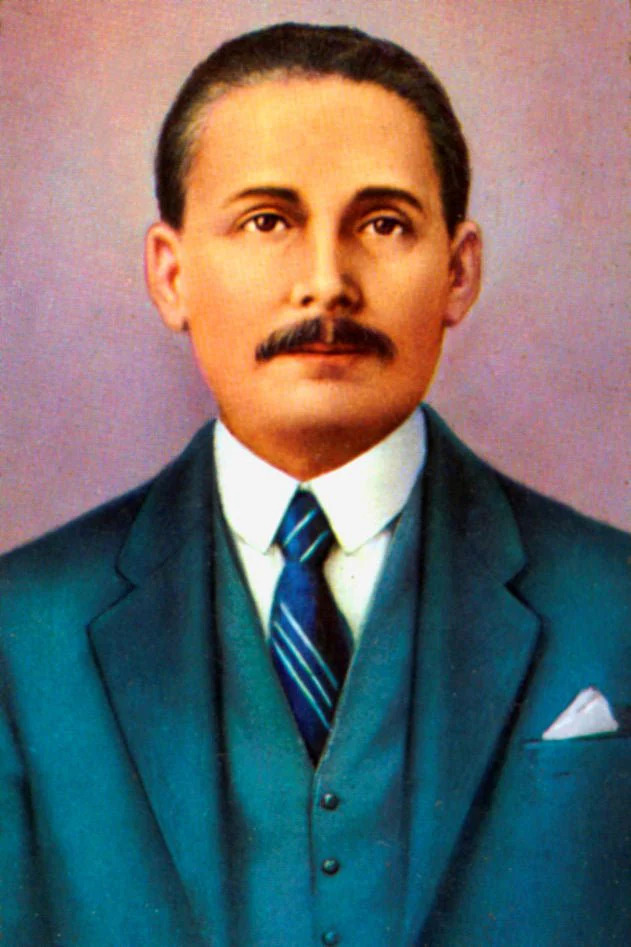
José Gregorio Hernández was a Venezuelan physician, scientist, and devout Catholic who is widely revered both for his medical work and his deep faith, making him known as the "doctor of the poor."
He enrolled in the Central University of Venezuela in Caracas to begin his medical studies, but returned to Venezuela to teach and practice medicine, which he believed was as a way for him to serve God and others.
Among his most charitable works is treating patients who had caught the highly contagious Spanish flu in Venezuela. Hernández tragically died in 1919, after being struck by a motorist while out to pick up medicine to treat an ill woman.
Maria Troncatti
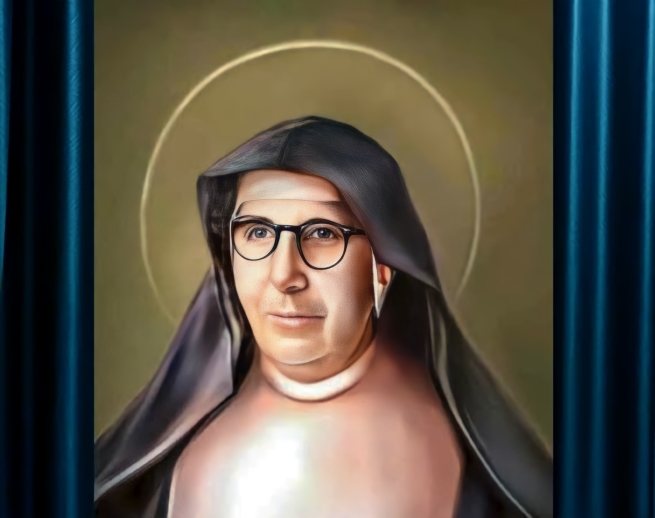
Maria Troncatti was an Italian Catholic nun, missionary, and nurse who devoted her life to serving the indigenous Shuar people in the Amazon rainforest of Ecuador.
Born in 1883 in Corteno Golgi, Italy, she joined the Salesian Sisters of Don Bosco where she trained as a nurse during World War I.
She was later sent to Ecuador in 1922 to evangelize the Shuar tribe in the Amazon forest, who initially viewed outsiders with suspicion due to previous experiences of exploitation and violence. Through her care for the sick, wounded, and poor, Troncatti gained the trust and love of the Shuar community.
Troncatti died in a plane crash in 1969 while traveling for her mission work.
María del Carmen Rendiles Martínez
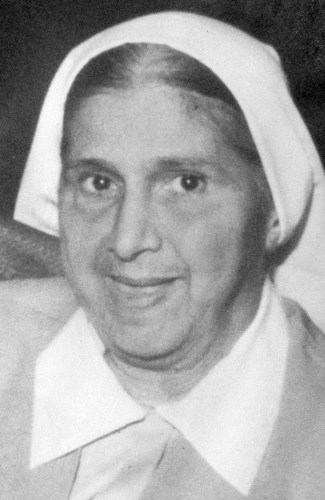
María del Carmen Rendiles Martínez was a Venezuelan Catholic religious sister and founder of the Servants of Jesus of Venezuela.
Martínez had a rough start in life after she was born without her left arm. Despite this, she accepted her disability with grace and never let it hinder her dedication to others or her religious calling.
In 1965, she founded the Servants of Jesus of Venezuela and continued to devote herself to education, parish work, and service to the poor and sick.
She died in 1977 in Caracas.
Vincenza Maria Poloni
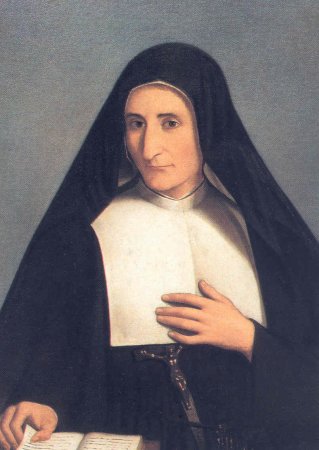
Vincenza Maria Poloni was an Italian Catholic nun and the founder of the Institute of the Sisters of Mercy of Verona.
From an early age, she felt called to religious life and to serving the most vulnerable in society.
Poloni later came into contact with the priest Charles Steeb and established a religious congregation with him. They focused on health care, education, and charitable work—offering both physical and spiritual assistance, especially to those whom society overlooked.