
Books + coffee = heaven
After years of digital overload, a quiet return to analog is underway. It’s not because technology failed, but because it succeeded a little too well. Paradoxically, when everything is optimized for speed, attention becomes fragile and depth feels scarce.
People are slowing down on purpose: reading printed books and shelving their Kindles; writing cursive instead of typing; attending face-to-face meetings instead of video conferencing; buying mechanical alarm clocks that actually ring aloud; and dismissing treadmills to walk outdoors as if rediscovering a long-lost Studio Ghibli montage of daily life.
Evidently, there is a growing desire for presence and moments that allow thought to unfold without interruption. Slowness, once dismissed as inefficient, is now a luxury, a form of self-control, and a badge of mental wealth.
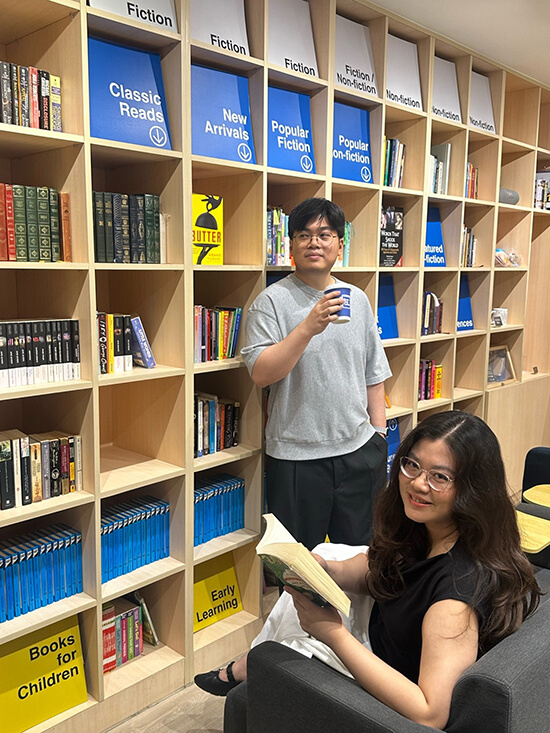
Nowhere does this gentle rebellion manifest more than in a book café.
These spaces offer a kind of heaven where focus is brewed fresh, pages turn with deliberate laziness, and the mind is finally allowed to linger. It’s the calm of a Japanese kissaten, the emotional pause of a K-drama café scene where nothing happens except realization, and the cozy intimacy of an anime library where time seems optional. I could almost hear The Manhattan Transfer’s Java Jive playing in the background, which I’ll tweak a bit: “I love coffee, I love tea, I love the books I bring along with me.”
The modern book café is a hybrid sanctuary built for slow consumption. Part library or bookstore, part specialty coffee shop, it invites people to linger while enjoying a cup of coffee, perhaps with a pastry, without shushing them.
Where did it all begin?
It’s neither as recent as you might think, nor did it start with the modern “coffee wars.” While romantics might imagine a coffee apocalypse leading to a “new beginning” of coffee life, the library-themed café has been brewing since the 18th century. At Café Le Procope in Paris, Enlightenment thinkers debated philosophy, politics, and the meaning of existence long before caffeine was socially regulated. Voltaire reportedly consumed between 40 and 50 cups of coffee daily, with some extreme legendary accounts even suggesting he drank up to 72 cups —proof that overthinking and overcaffeinating have always gone hand in hand.
Fast-forward to the Flower Power era, when academic spaces quietly acknowledged that students couldn’t survive on card catalogues alone. Enter the humble vending machine and the perpetually burnt self-serve coffee pot. It wasn’t as hip as speed, Dexedrine, Benzedrine, or cocaine, but the caffeine kept readers awake, which, by itself, was revolutionary—and legal.
By the 1980s and early 2000s, coffee went corporate. Libraries began leasing space to professional café brands, discovering that the smell of espresso attracted more foot traffic than “Silence Please” signs ever could. Coffee became less about staying awake (to cram) and more about staying awhile (and imagining being in Central Perk with Chandler and Rachel).
Then came the 2010s, when the café finally graduated from library annex to full-fledged cultural destination. Book cafés emerged as “third places”—neither home nor office, but somewhere in between—where you could read, work, think, and talk, or do all four badly and still feel productive.
These spaces have now reached peak aesthetic and global appeal, from Minoa Pera in Turkey to Merci in France, Ampersand in Australia, and Anjin in Japan. Old soul, new tricks.
The modern book café is a hybrid sanctuary built for slow consumption. Part library or bookstore, part specialty coffee shop, it invites people to linger while enjoying a cup of coffee, perhaps with a pastry, without shushing them. Books can be browsed, borrowed, or bought. Community events, like poetry nights or book clubs, bring people together offline. The idea seems almost counterintuitive in an era of “Wi-Fi squatting” or “coffice” culture, yet it thrives.
In this retro era, book cafés have become unlikely heroes of the return-to-analog movement. They offer digital detox without moral lectures, tactility in a world flattened by algorithms, and the rare privilege of unhurried time. Going offline, once unthinkable, is now a “quiet flex.” Sitting in a book café with coffee in hand, phone face-down, and book open is no longer old-fashioned; it’s mindfulness, and it’s deemed healthy.
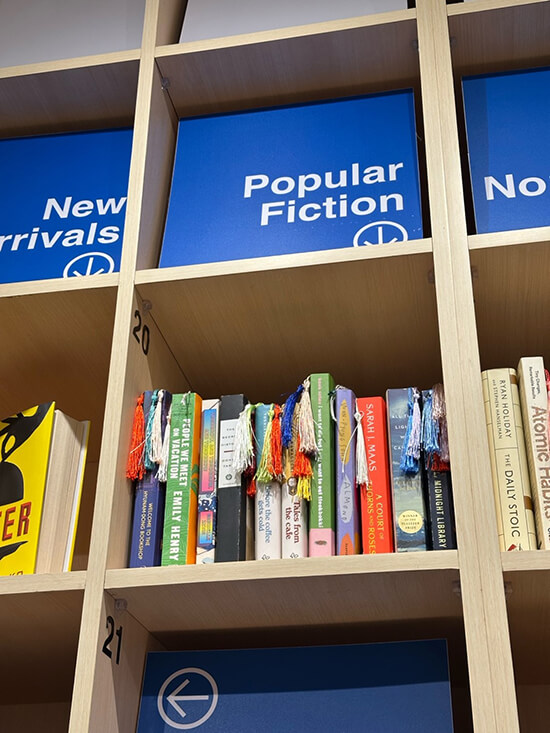
Fortunately, we don’t need a visa to experience this. Library-themed coffee shops are flourishing across the Philippines—from Gourmet’s Café by Gourmet Farm at the Ramon Magsaysay Center in Manila and Coffee Project Black in EVIA Mall, Las Piñas, to NoDoze Coffee Lounge and ACODES Café in Quezon City; The Coffee Library and Scholarship by Fundación Sansó in San Juan; and The Library Café by Co-op Cups in Davao.
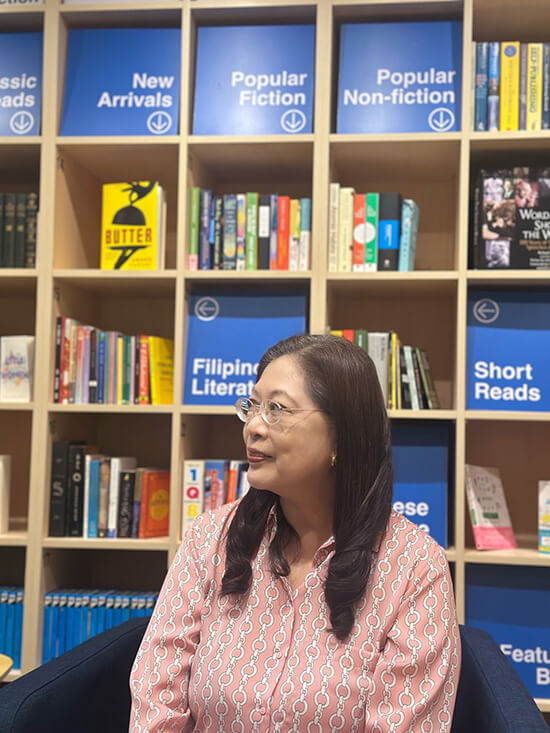
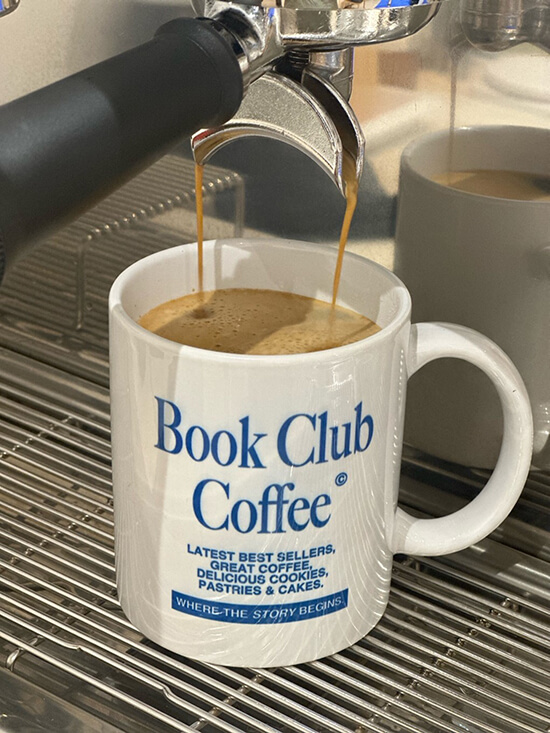
Book Club Coffee at the Globe Telecom Plaza in Mandaluyong City segues naturally into this landscape. For siblings Abie and David de la Paz, it started with a simple question: “Wouldn’t it be nice to have a coffee shop near our place?” Being an avid reader, Adie instinctively knew it had to include books.
Book Club Coffee is her way of providing a “library pass” to Filipinos who may lack access to public libraries. The collection—classics, bestsellers, Bibles and study materials, Japanese design books, etc.—is deliberately minimalist (just like the shop itself) and full of good intentions. They even offer a novel bookmark system where a reader can leave a book and return to their exact page later. The coffee is equally impressive: Their Americano and Spanish Latte lead the pack, while matcha lovers swear by the Uji Oatmatcha series.
In places that never sleep, every book café stands as a reminder that heaven can be as simple as a chair, a shelf of well-loved books, and a really good cup of coffee. In an age of constant pings, this is a conscious act of freeing oneself from the clutches of technology and easing into the welcoming arms of life.
More and more people are embracing a return-to-analog attitude this year as part of their digital detox. You certainly can join the trend. After all, to paraphrase philosophers and baristas alike, “It’s better latte than never.”