
What comes after awareness?
The first thing I do when I wake up in the morning is check my phone. I don’t get up from my bed until I’ve finished my five- to 10-minute scroll on social media, catching up on everything I’ve missed overnight, from national news to random tidbits online.
On a typical day, my screentime runs from five to seven hours, most of which I spend on TikTok, Instagram and Facebook. Beyond my common interests, like music, fashion and art, a key subject that my algorithm consistently surfaces is content about sexual crimes against women and children.
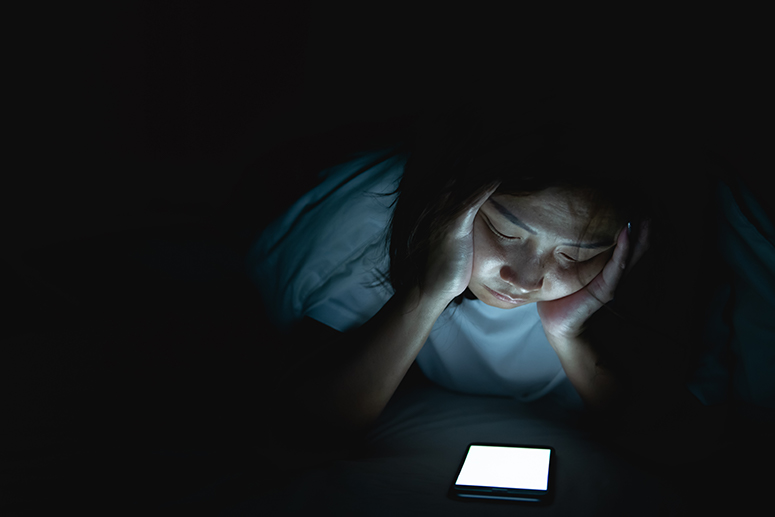
True crime has, after all, become a familiar type of online content, delivered in short, digestible clips, much like any other trend. But when stories of violence are consumed in this way, side by side with lighthearted videos from makeup tutorials, travel vlogs, and back-to-school hauls, it blurs the line between awareness and desensitization.
More often than not, these stories present incidents that have truly happened and keep happening in real life. Whether this is seen from accounts of news channels, influencers, or victims themselves, the never-ending stories of terror and violence only prove that crimes like this occur more than we think, all over the world, to women of all ages.
And by all ages, I mean a three-month-old baby from the Philippines as a victim of online sexual exploitation and a 97-year-old woman from Nigeria subjected to rape. At first, it was hard to continue doomscrolling or, better yet, go about my day, after watching or reading such harrowing content. It is never not a hard pill to swallow, reading about kids being robbed of their innocence through such heinous crimes done by strangers and even their own family, or women being mutilated, their bodies dumped in rivers or thrown off buildings.

In 2024, Giséle Pelicot, a woman from Mazan, France, shocked the world with her trial against her ex-husband, Dominique Pelicot, and 50 other men, who were convicted of drugging and raping her for an agonizing nine-year period. But Dominique Pelicot didn’t stop at sexually assaulting his wife; his daughter, Caroline Darian-Peyronnet, was also a victim of these crimes, as it was proven in court that her own father also drugged her to take photographs of her naked body.
This trial was broadcast by international media, bringing the case to the forefront of global discussions on sexual violence and victims’ rights. Among many things, the opening of this case to the public was a statement that shame isn’t the victim’s burden but the rapist’s, and that even in the comfort of their own homes, safety is not guaranteed for women.

Five months into 2025, the sexual misconduct allegations against American rapper P. Diddy resurfaced as Cassie Ventura, R&B singer and model, came forward to testify. She is among the alleged 200 individuals, both male and female, including 25 said to be minors, who have accused Sean “Diddy” Combs of sexual assault, rape, and sex trafficking.
It was yet another case that horrified the internet with its number of offenses and the appalling details of these alleged crimes, with claims accumulating since the early 2000s. The accusations span nearly two decades, but many of the complaints were only brought to light after Ventura’s 2023 settlement with Combs. Her case, which involved similar testimonies, is said to have opened the door for other victims to come forward.
The sheer volume and speed at which we encounter stories of sexual violence can strip them of their humanity, reducing lives and suffering into fleeting moments of content.
These instances of sexual violence, whether proven or alleged, and involving both ordinary individuals and public figures, highlight the sheer volume of information on sexual assault and abuse that circulates online every day; the only question left is what we do with it.
The rapid consumption of this kind of content doesn’t leave enough time for reflection; everything is based on instantaneity. A story worth nine debilitating years of someone’s life can be ingested in a minute. Our daily consumption of information on these crimes can result in emotional detachment, where each case begins to feel like just another headline. The sheer volume and speed at which we encounter these stories can strip them of their humanity, reducing lives and suffering into fleeting moments of content.

However, I am not blaming the medium; I am simply highlighting what I believe to be the cause of the lack of accountability, both in how we process these stories and how we act (or fail to act). This opens the door for these crimes to be normalized, where not only prominent people in power gain a distorted belief in their right to a woman’s body, but also regular people, like those living inside a victim’s home.
With every story I’ve heard, no matter how monstrous the offense, I believe men do know what the word “no” means, and that it was never about the comprehension of consent. It’s always been about their deep-rooted sense of entitlement and their misguided idea of control over women’s bodies.
If men won’t keep their hands off women, if some sectors of society continue to make excuses for them, if laws fail to protect women and children, and a house is no longer a safe place for old and young women alike, it is up to us citizens to sit with the discomfort of knowing these stories and act.

Supporting organizations that help survivors, such as Lunas Collective, which provides online support and crisis response; GWAVE (Gender Watch Against Violence and Exploitation), which offers legal aid and psychosocial support in local communities; and larger institutions like Gabriela, which runs shelters, counseling programs, and legal aid services for survivors, remains one of the many ways to take action. Demanding justice through signing petitions, attending hearings, and supporting legal reforms are a few of the many ways we can take action. From the smallest acts of spreading awareness, challenging harmful narratives, and reflecting on personal behavior, we move from an observational distance to participatory citizenship.
The product of awareness was never meant to be reduced to detachment, normalization, or silence. Yet too often it drifts into passivity or even commodification, whether in the form of sensationalized headlines, clickbait, or the packaging of crime as entertainment. Companies capitalize on these stories, sometimes even bending the truth, reducing real human suffering to a mere spectacle for entertainment.
But awareness should not wither into distance, be numbed into habit, or warped into entertainment. These are not mysteries to unravel or episodes to binge, but realities of people whose lives have been splintered, who will carry this weight long after the headlines fade.
In the age of information, people need to do more than just know.