

Bacolod saves the future
Bacolod wakes up with a lingering taste on its tongue. It is a flavor profile shaped by the garlic-laden richness of Aboy’s KBL (kadyos, baka, langka), the sour, comforting heat of Sharyn’s cansi, the soft and buttery give of a Felicia’s cheese roll dipped in strong local coffee, and the humid, sugar-scented air that seems to promise that no one here will ever go hungry. Silence has returned to the Provincial Capitol Lagoon but the ground still hums with the energy of the week that was.
We have just witnessed history.
Terra Madre Asia Pacific has wrapped up its first appearance outside Turin, Italy. Since 2004, Terra Madre has been the global biennale for food communities, a pilgrimage for those who believe that what we eat defines how we live. The Slow Food movement was founded to bring together producers, chefs, academics, and the heroes who keep traditional food systems alive. It is fitting that it landed here in Negros with the theme “From Soil to Sea: A Slow Food Journey through Tastes and Traditions.” Few places carry that geography in their bones the way this island does.
This story began in 1986, when the Slow Food movement was born not from a grand manifesto but from a bowl of warm penne pasta shared among strangers in Rome. It was a playful rebuttal to the encroachment of fast food on the Spanish Steps, a stand against culinary imperialism and the homogenization of taste that threatens to replace labors of love with labors of profit. Years later, activist and author Carlo Petrini and his circle understood that preserving flavors meant nothing if the farmers vanished. You cannot save a cuisine without saving the hands that cultivate the earth. Terra Madre rose from that shift in perspective. The story moved from the plate to the soil.
Bacolod carried that spirit well in mid-November.
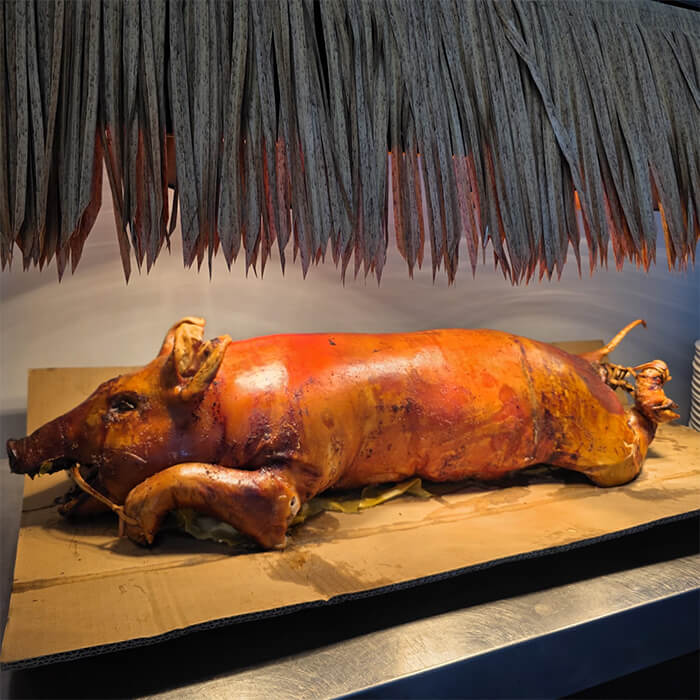
Walking through the Provincial Capitol Lagoon felt like traversing a living map of our culinary heritage. It was a slow bloom. Terra Madre met the Negros Island Organic Farmers’ Festival on the same grounds and the synergy felt electric. The park became a classroom without walls.
You could feel it in the TMAP Pavilion, a journey stitched together by flavor, running from the cool highlands of the Cordilleras to the vibrant coasts of Western Visayas and into the fertile lands of Southern Mindanao. The talks and workshops gathered every voice that cared about the future of Filipino food. They spoke of seeds. They spoke of heritage. They called for a food system led by farmers rather than corporations. They resisted the march of GMO.
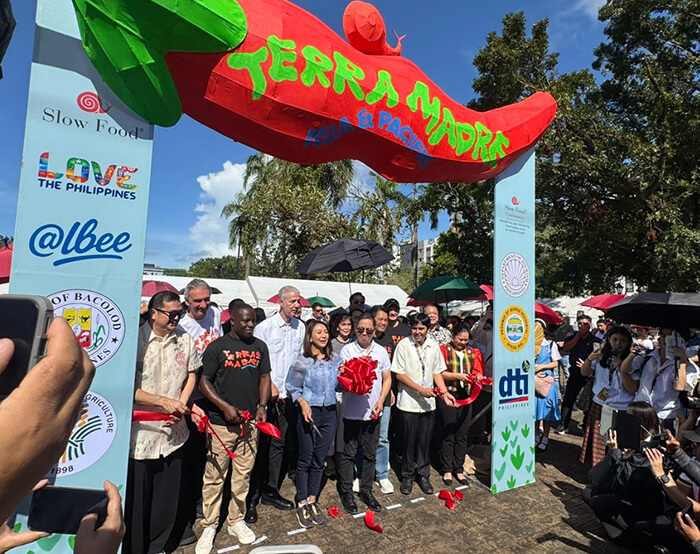
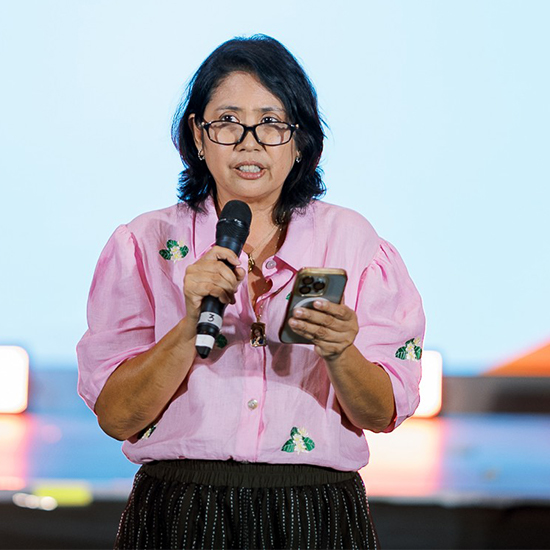
At the center of this undertaking were the visionaries Reena Gamboa of Slow Food Negros and Ramon Chin Chin Uy Jr., Slow Food councilor for Southeast Asia, who knew that Negros was ready for the world stage. To them, as well as to Mayor Albee Benitez and his son, Rep. Javi Benitez, sustainable farming is not a hobby but a real economic backbone. More than the City of Smiles, Bacolod is a place where policy can meet the plate.
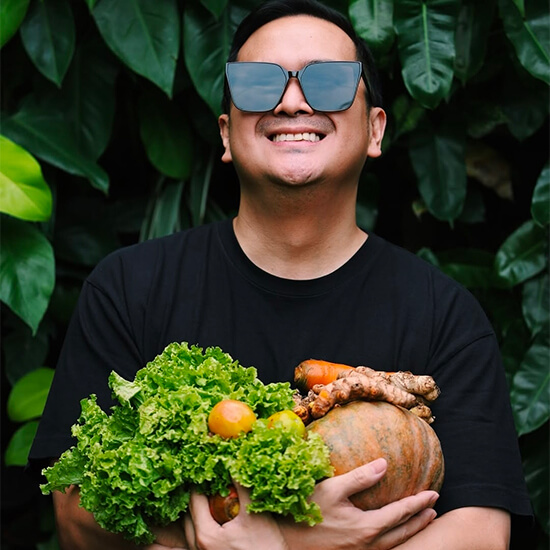
Their work created a space where “good, clean, fair” food was no longer a slogan. These three words, which once sounded like an ideal, now sounded like a plan.
That plan is necessary. So said Tourism Secretary Christina Frasco when she spoke on the opening night as the guest of honor. She had come from Cebu and neighboring areas, where she met families shaken by recent typhoons. Her presence reminded us of the reality surrounding this festival. Climate change is not a distant threat. It is already on our shores.
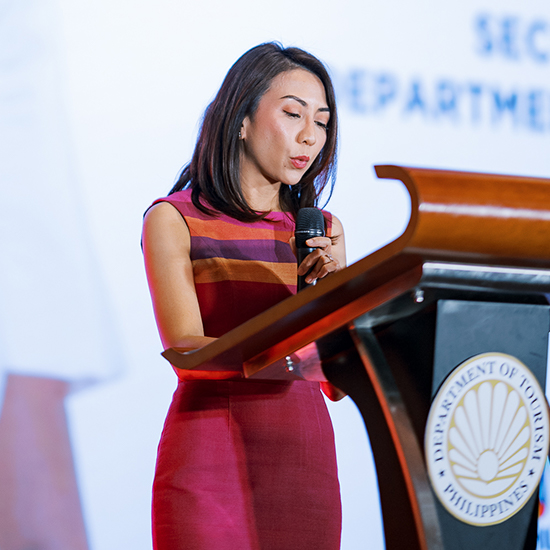
She made the urgency clear. “As we reflect on the realities of climate change, the mission of Terra Madre becomes even more urgent,” she said. “Events like the recent storms remind us that building sustainable and equitable food systems is not an abstract ideal. It cannot be.”
Imagine a world shaped by that insistence. Picture farmers who stay because their land can feed them, and fisherfolk who keep their nets and their dignity. Think of soil that remembers how to be alive again and cities that eat with neither guilt nor theft. Think of restaurants with Michelin stars that measure success not only by the precision of a garnish but by the wages of the people who planted the vegetables on the plate.
This is what patience becomes when it turns into policy and practice. We are not waiting for miracles. We are making them one seed, one kitchen, one law at a time.
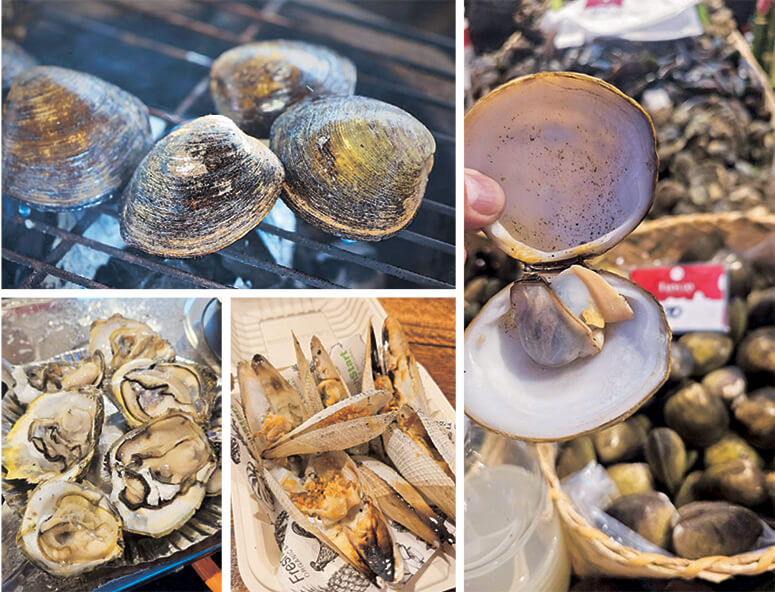
Proof of this miracle was everywhere on the grounds. Oysters from Capiz were shucked on the spot, smelling of the clean sea. Mochi brushed with soy sauce from Japan, softened in the afternoon heat. Diwal from Iloilo gleamed like hidden jewels. Pinindang from La Union waited for familiar hands.
At the Korean booth, the air shifted into something sharp and complex. They poured slow drinks and displayed fermentation traditions that reach back centuries. Preservation revealed itself as a universal language. Whether it is the batwan of Negros or the jang of Korea or the koji of Japan, everyone is trying to cheat time. Everyone is trying to stretch the harvest a little farther.
If you found your way into any of the Taste Workshops, you discovered the true secrets. They hid rare ingredients that do not make it to supermarkets. Honey that remembers the specific flowers of a specific mountain. Grains shaped by weather and patience.
You might also have met the culinary storytellers who connect the old world and the new. Chefs like Inés Castañeda and Filippo Turrini of Roots Siargao carry the spirit of the co-producer that Petrini describes. They do not simply buy ingredients. They study the ecosystem. They bring experience from the world’s best kitchens yet bow to local produce. Their menu is guided by the island of Siargao itself.
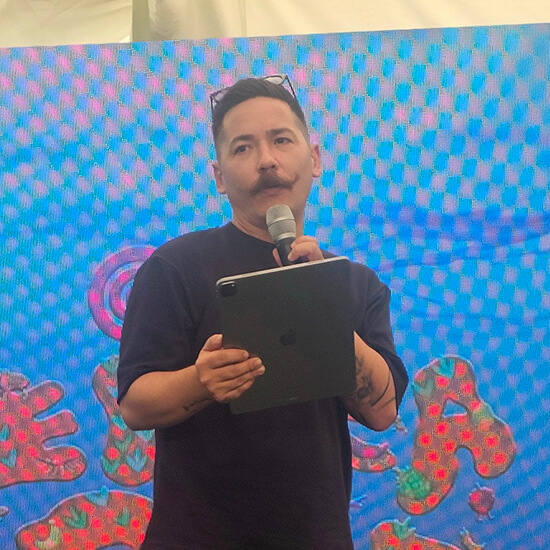
Bacolod also became a meeting ground for the country’s brightest culinary lights. Josh Boutwood brought the precision of his two Michelin stars at Helm to the discussions. The constellation of Michelin one-star holders arrived in full force, from Jordy Navarra and Chele Gonzalez to Thirdy Dolatre, Kevin Navoa, Aaron Isip, JP Cruz, and Don Baldosano, who also served as inspiration and educators. Through their talks and workshops, these chefs, along with Myrna Segismundo, Angelo Comsti, Miko Calo, Tina Legarda, Rhea Rizzo, Yuichi Ito, Pat Go, Bettina Arguelles, and Raul Fores, closed the distance between the high-pressure world of fine dining and the resilience and patience of the farm, affirming that the highest accolades in gastronomy are rooted in the soil.
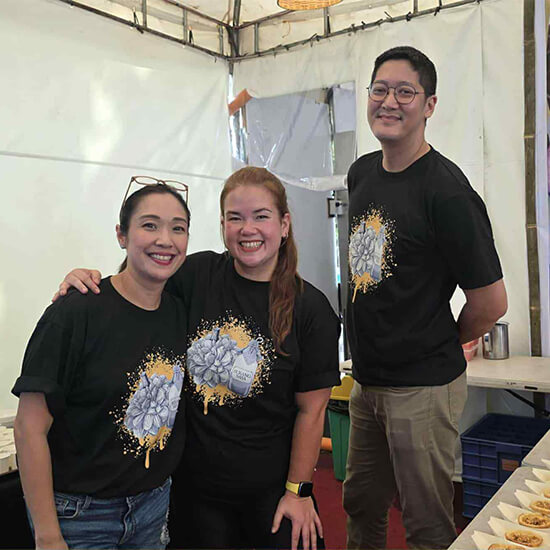
Delegates arrived from 25 nations to turn the Capitol Lagoon into a global village. Lordfer Lalicon of Kaya flew in from the US while Wes Kuo of Embers arrived from Taipei. They were joined by Indonesia’s culinary ambassador William Wongso and Asia’s Best Female Chef 2023 Johanne Siy. The roster traveled from as far as Slovakia and the movement’s spiritual home in Italy down to the Pacific nations of Vanuatu and Samoa, spanning the mountains of Afghanistan and Nepal to our nearest neighbors in Vietnam.
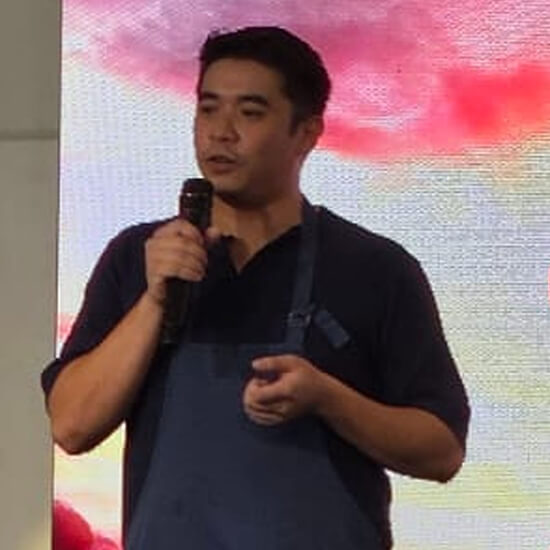
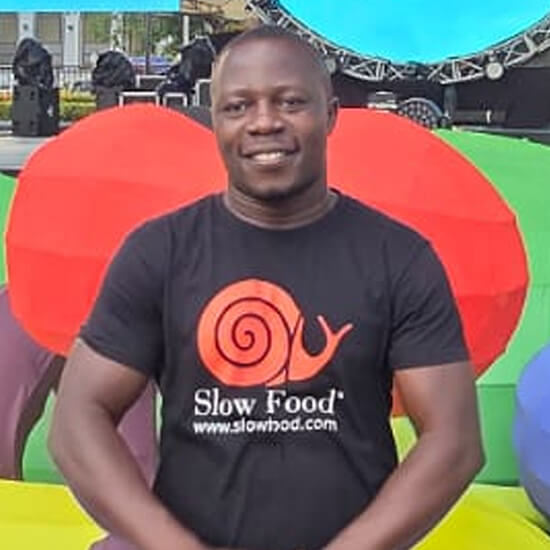
Everything was connected. From Robusta coffee from Pasil being brewed in a corner stall to the high-level discussions on food sovereignty led by Edward Mukiibi, the president of Slow Food International.
Come in cielo, così in terra. On earth as it is in heaven. Or for this past week, from soil to sea.
Bacolod now holds the distinction of hosting the largest sustainable gastronomy event in Asia and the Pacific, a long bridge from that first bowl of pasta in Rome to this moment in the Negros heat. After all these years, the farmers stood at the center where they have always belonged.
I leave Bacolod still tasting the meals I had, yet fueled by something else entirely. It was a rehearsal for how we should live every day.