

Meet the Kids Who Farm for a food-secure future
When nine-year-old Raaina Hinay heard her favorite school garden was going to be replaced by a new building, she did what any kid would do: She fought to save it. With a prayer and a plea, she asked for it to be saved. Her father, Muneer, a social worker, was moved by her passion and arranged a meeting with the principal.
That simple act, which happened on her birthday in 2019, was the seed that grew into Kids Who Farm (KWF), a non-profit organization now working to build a food-secure future for the Philippines.
The meeting didn’t just save the garden—it led to a project to build an even better micro-farm right on the school grounds. This became the model for KWF’s bigger mission. Their goal is simple but huge: to help Zamboanga City feed itself, breaking its reliance on other provinces for over half of its vegetables. They believe the answer lies in local food production, growing food right where people live to create both meals and livelihoods for communities often overlooked.
We talked with the inspiring father-daughter team about their incredible journey.
The founder’s voice: More than just dirt and seeds
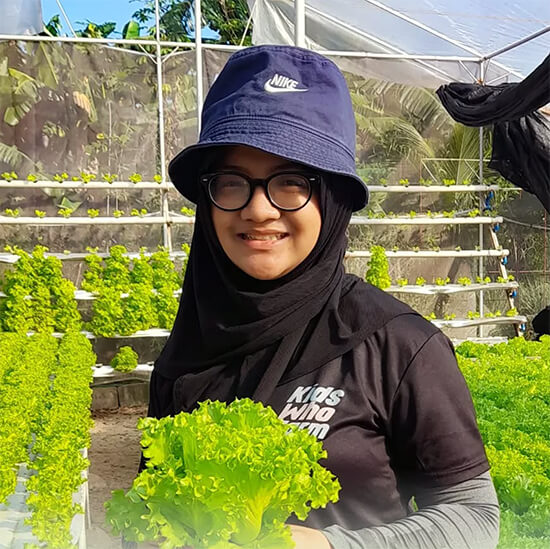
For Raaina, the idea to save the garden wasn’t random. She was inspired by the community work she saw her father do every day. “I felt like I was trying to do a favor for the school, and I did it with my father’s work in my mind,” she says. “His work made me realize the value of farming.”
Now, what truly makes her happy is seeing that idea spread to other young people. “The most rewarding part is seeing youth and communities learn about gardening, because in the long run, it will benefit them,” Raaina shares. “Gardening is a life-saving skill that will come to your rescue when you’re in a pinch.”
She also talks about the quiet magic of working with plants. “It makes you feel more at peace, being with the plants, watching them grow day-to-day,” she says. “And it’s such a rewarding experience because in the end, you’ll be able to reap what you sow, quite literally.”
To any kid afraid to get their hands dirty, her message is pure encouragement. “It’s fun, trust me! You can always wash the dirt off, and watching your own food grow teaches you patience. In the end, it’s all worth it, because you’ll have something to eat.”
The father’s view: Nurturing a powerful idea
Muneer knew his daughter was onto something special. “As parents, we should support the ideas of our kids, no matter how outrageous,” he insists. “A child’s idea comes from a place of curiosity, genuineness, and sincerity.”
He felt a sense of urgency. “I was motivated by the idea that if a kid can propose a solution to a community problem, how about us adults? We should be ashamed we’re not doing anything.”
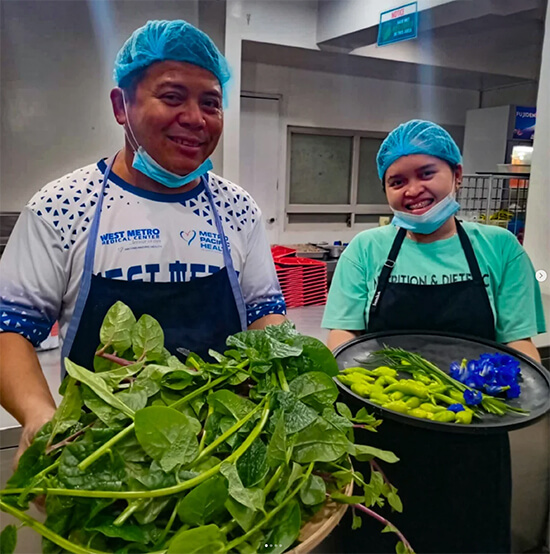
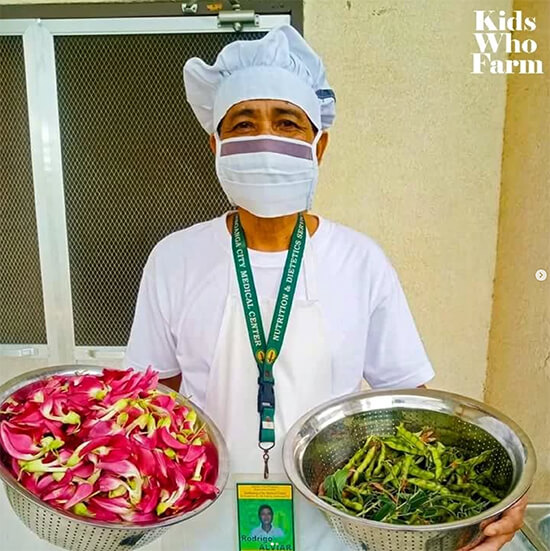
That fire led to KWF’s main programs. The Hyperlocal Food Network is their answer to what Muneer calls a “broken” food system, a problem made obvious during the pandemic. “If we are not self-sufficient,” he explains, “we are going to face a lot of insecurity.” By growing food locally, they can ensure people have access to safe, nutritious meals while building a deeper connection to where their food comes from.
KWF even connects gardening to financial stability through its Community Savings Club (CSC). Muneer connects the dots simply. “When you grow food, you save money,” he points out, noting that food can be a huge household expense. This savings club helps low-income families build capital, often investing it back into their own small farming projects.
A movement that keeps growing
Like many, the pandemic forced them to adapt. But what could have been a setback became an unexpected opportunity. By moving their training online, they were able to reach people far beyond their city. “The virtual learning sessions amplified our advocacy,” Muneer recalls. “We trained people as far as Luzon and even in other Asian countries.”
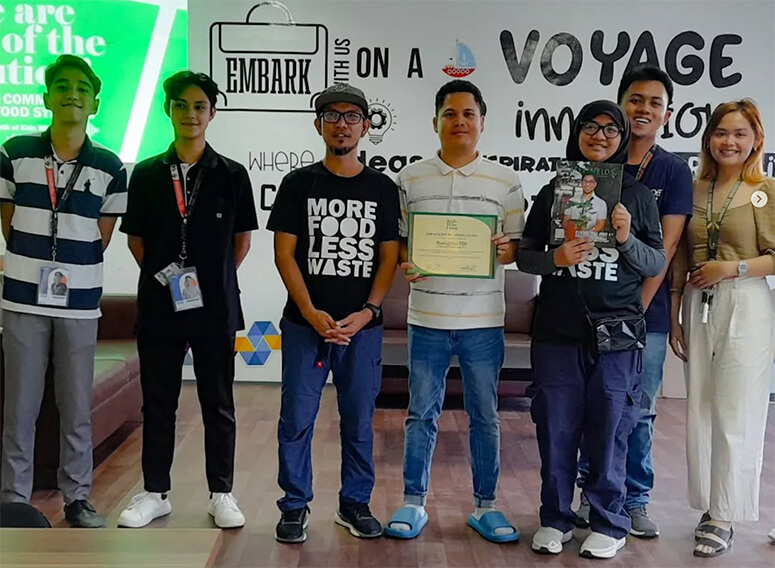
What started as a duo is now a full organization with a board and a team of young volunteer experts they call “YoungAgriX.” Raaina is still the founder and inspiration, though she’s focusing on her studies for now. “I am just so grateful she paved the way for all this to happen,” Muneer says with a father’s pride.
Their biggest lesson from this journey? “You are never too young to make a difference,” they share. “The power of young people cannot be underestimated.” They know they can’t fix everything alone, but they believe in their role. “Just do your part, and we'll create ripples.”
As for the future, their vision is to create a new generation of “food citizens.” They imagine a Philippines where young people understand the impact of their food choices on both people and the planet. “Through our work,” they say, “we can help build a food-secure future, one pot at a time.”