
This is liquid cuisine
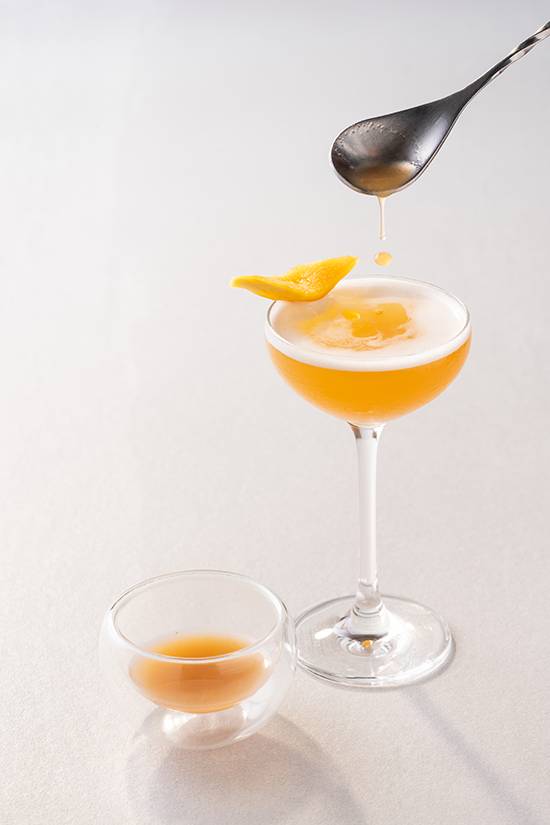
A line I read in a bar stuck with me: “Cocktails are liquid cuisine.” It sounded clever at the time, until I saw it brought to life at the Gallery by Chele.
Chef Chele González has been running his coconut-focused “Tree of Life” menu since February. But what’s happening in his test kitchen Stvdio Lab today pushes things even further. With Marina Wilkis, an Argentine beverage consultant, Gallery by Chele is proving that drinks are no longer just pairings. They can be their own cuisine.
Meet the alchemist
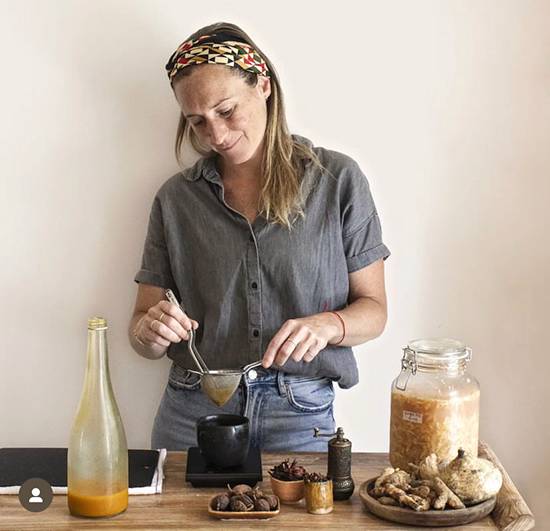
“My journey began at the age of 17, inspired by my father—a winemaker and farmer,” Wilkis reflects. “I started as a waitress, discovering a deep passion for hospitality, service, and the art of creating authentic, memorable guest experiences.”
Her curiosity has taken her across the world. At Central in Lima, she learned from indigenous knowledge systems. At Mirazur in France, she developed zero-waste non-alcoholic beverages using ingredients from the garden. At Locavore NXT in Bali, she focused on creating a beverage program highlighting local ingredients and producers.
But it’s her understanding of fermentation—how soil, climate, and fermentation shape the quality of wine—that makes her work in Manila stand out. Now, she’s applying two decades of expertise to transform Filipino ingredients most people take for granted.
The process behind the innovation
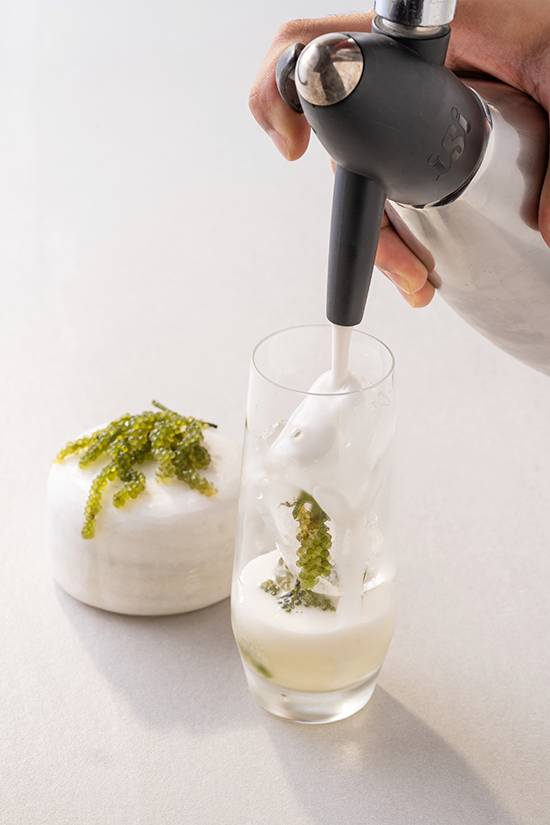
In Gallery’s test kitchen, Wilkis creates ingredients that didn’t exist before. Coconut sap ferments for months. Tuba (traditionally consumed fresh) undergoes controlled fermentation. Local ingredients like kamias and batuan are distilled, aged, and transformed into complex flavor profiles that redefine what Filipino ingredients can become.
This isn’t mixing spirits with juice. This is creating new ingredients from scratch.
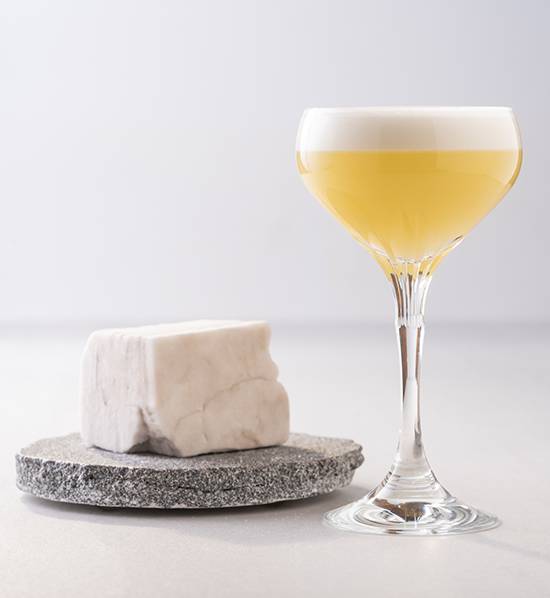
The Lambanog Sour with kamias and tutlul showcases this approach perfectly. Traditional lambanog is elevated through technique, while kamias adds controlled acidity that not only complements the accompanying kinilaw, but also reshapes how you taste the local bluefin tuna marinated with ginger oil, mangosteen, and banana, finished with coconut granita.
The Azteka pushes boundaries further, combining pinakurat (spiced coconut vinegar) with smoky mezcal and tamarind. It’s a familiar blend of Filipino heat and Mexican tradition, creating something entirely new.
But the Coconut Oil Negroni might be the most ambitious creation. Using virgin coconut oil, kiat-kiat, and homemade vermouth, Wilkis reimagines the classic Italian aperitif through tropical ingredients. The fat from coconut oil changes the drink’s texture entirely. It coats your palate differently, preparing it for the umami-heavy dishes that follow.
Where liquid meets plate
The brilliance of Gallery by Chele’s beverage program is that the drinks don’t follow the food; they converse with it. The Tapuey Highball, crafted with coconut aminos, tapuey (rice wine), and green tea kombucha, creates umami layers that transform the crab dish—cooked ginataan-style with coconut milk, ginger, and lemongrass, finished with mint, lime, and delicate coconut espuma.
The Tuba Tonic combines fresh coconut wine with vodka and lemongrass, creating a complexity that evolves as you drink it. Paired with Palawan lobster topped with XO sauce made from smoked coconut instead of traditional fermented seafood, served yakitori-style over calamansi puree, it doesn’t just accompany the dish but becomes part of its flavor.
Even dessert gets the liquid cuisine treatment. The Latik Rum features latik liqueur with roasted coconut, complementing Gallery’s deconstructed coconut desserts, including a cold soufflé with dulce de leche, coconut milk espuma, and latik ice cream sandwich. The Coconut Old Fashioned, using coconut sugar, bourbon, and lakatan banana, creates tropical notes that complement the dessert’s various coconut textures.
The coconut-based creations evolve as fermentation progresses, making the menu itself a living entity. No two visits taste exactly the same.
Why this matters now
“I enhanced the beverage program to align the drinks offering with the creative concept of the tasting menu, strengthening the harmony between flavors, storytelling, and identity,” Wilkis explains.
Most restaurants treat beverages as afterthoughts. Gallery treats them as equals to what’s on the plate. The cocktail pairings range from P1,900 to P2,800—pricing that reflects the intensive technique and rare ingredients involved.
There is also a non-alcoholic option, which goes from P1,250 to P1,700. González shares, “The best restaurants in the world are now more conscientious about the demand for non-alcoholic beverages for those who are following a certain lifestyle or simply wanting to try something new.”
He adds, “I believe it is also in tune with the movement towards sustainability.” Wilkis’ work with the Gallery team had her utilizing various coconut products for liqueurs, syrups, purées, infusions, and ferments that were in turn used for dishes and beverages, pairing both seamlessly.”
The non-alcoholic options here match this complexity, catching the trend towards mindful drinking. But what makes Gallery by Chele stand out is how deeply rooted the program is in Filipino ingredients, such as coconut in all its forms, kamias, batuan, and tapuey, all reimagined with modern, international techniques.
This requires different skills, more time, and serious investment in ingredients that most places ignore. It’s harder than standard bartending. The results prove why it’s worth the effort.
The Revolution Begins
Wilkis has created something genuinely new in Manila: drinks that carry the same weight as courses. They don’t wash down dinner—they shape it, elevate it, and sometimes steal the spotlight entirely.
In her hands, the humble coconut becomes a gateway to understanding how tradition and innovation can coexist in harmony. She’s proven that beverages can participate in the culinary conversation with the same precision, technique, and respect as what’s on the plate.
The “Tree of Life” menu runs for a limited time. But liquid cuisine as a concept? Manila has tasted the future, and there’s no going back.
* * *
Gallery by Chele, 5/F Clipp Centre Building, 39th Street Corner 11th Avenue, BGC, Taguig City. Reservations: +63 917 546 1673. Follow @gallerybychele.