

Paul Poiret: The multihyphenate liberator of women’s bodies
Paul Poiret may be largely forgotten now, but he actually did many firsts as a couturier and was named the “King of Fashion” when he brought a collection to America, preceding Chanel, whose aesthetic he dismissed as pauvreté de luxe (the poverty of luxury) at the height of their rivalry. Musée des Arts Decoratifs curator Marie-Sophie Carron de la Carrière shared that the ongoing exhibit “Paul Poiret: Fashion is a Feast” is long overdue, planned since 2022 when she worked on the show of Elsa Schiaparelli who called Poiret the “Leonardo Da Vinci of Couture” because of his many talents, making the link between fashion and art in different areas like interior design, painting, music, theater, dance and even gastronomy.
Born in the poor neighborhood of Les Halles, Paris in 1879 to a cloth merchant, his parents apprenticed him to an umbrella maker where he collected scraps of silk to make into dresses for his sister’s wooden doll. As a teenager, he sold his dress sketches to the couturiers Madame Chéruit, who encouraged his vocation; and Jacques Doucet who hired him in 1898. Doucet was the mentor who gave the most crucial advice: to succeed he must form his taste by taking an interest in art and must choose a bride very carefully, as she will be the best ambassador of his clothes.
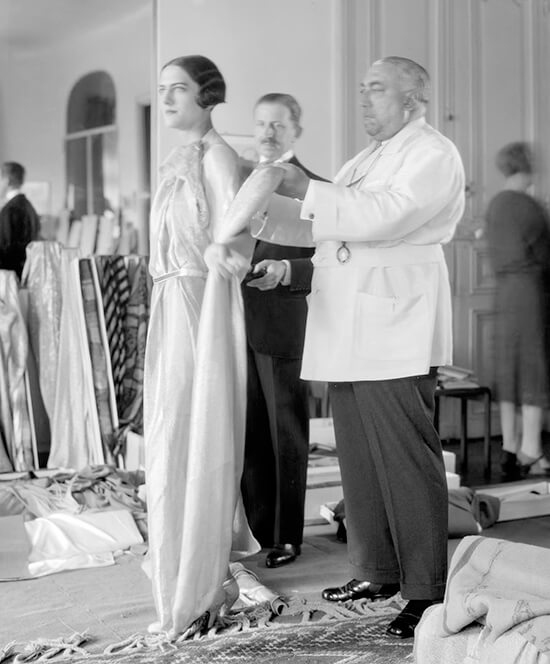
He quickly befriended and collaborated with artists like Raoul Dufy, Paul Iribe, Maurice de Vlaminck and Kees Van Dongen whose works were integrated in his couture pieces and publications. Moving to the House of Worth in 1901, he felt constrained by the conservative clientele like the Russian Princess Bariatinsky who found his designs too brazenly modern, likening his kimono-cut coats to sacks for the disposed heads of “executed low fellows who run after our sledges and annoy us.”
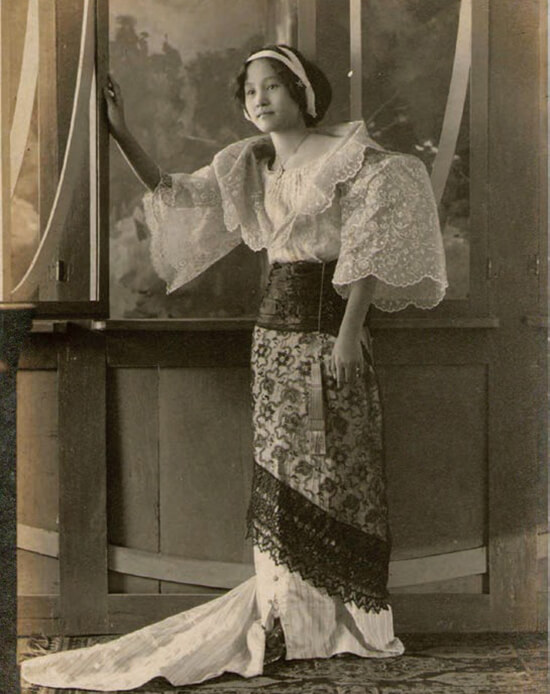
He opened his own maison in 1903, subverting the S-shaped silhouette and liberating the female body by dismissing the petticoat and later, in 1906, the corset, to create radically streamlined garments like the 1907 Joséphine dress. His designs were constructed with a minimum of seams, hanging from the shoulders. He fundamentally changed the female silhouette ahead of the Roaring Twenties.
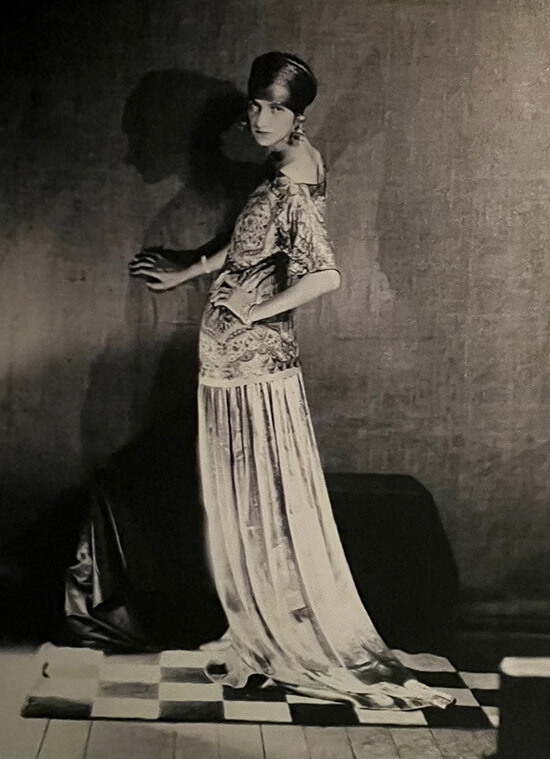
This came to fruition when he fulfilled the second advice of Doucet—looking for the perfect wife—which he found in the gamine, free-spirited Denise Boulet, whom he married in 1905 and had five children with. She was the prototype of la garçonne, the flappers who were prominent after WWI until the 1920s, having “the innate elegance that allowed her to be the first to abandon the corset, instilling in other women the desire to imitate her,” explains the curator.
Just as daring was Poiret’s approach to colors which were as intense as those used by the Fauves, the bold, expressive painters led by Henri Matisse and André Derain who used color as if it came straight out of the tube.
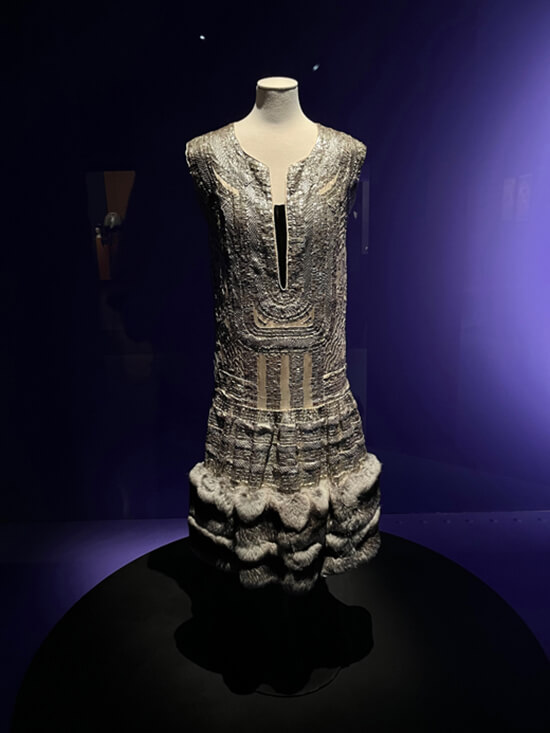
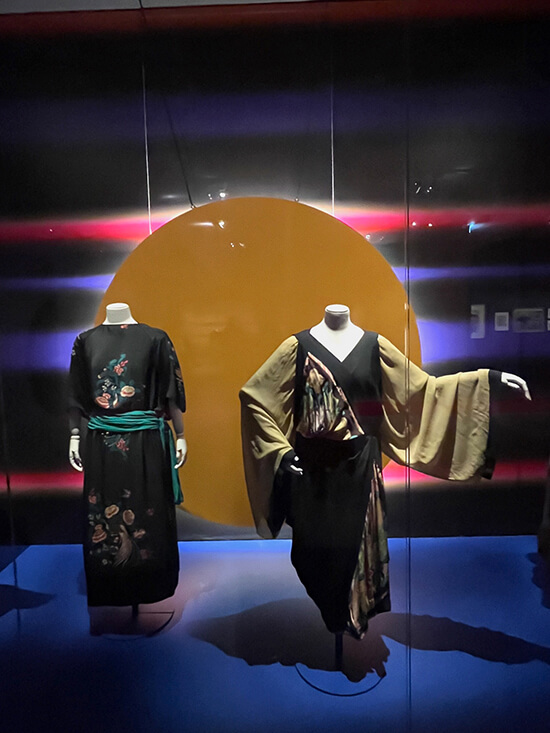
The Ballets Russes was a huge influence on his Orientalist harem pantaloons and lampshade skirts which were such a hit when he showed them in America that they ended up being copied everywhere, leading to his assailment of American buyers and Fifth Avenue couturiers.
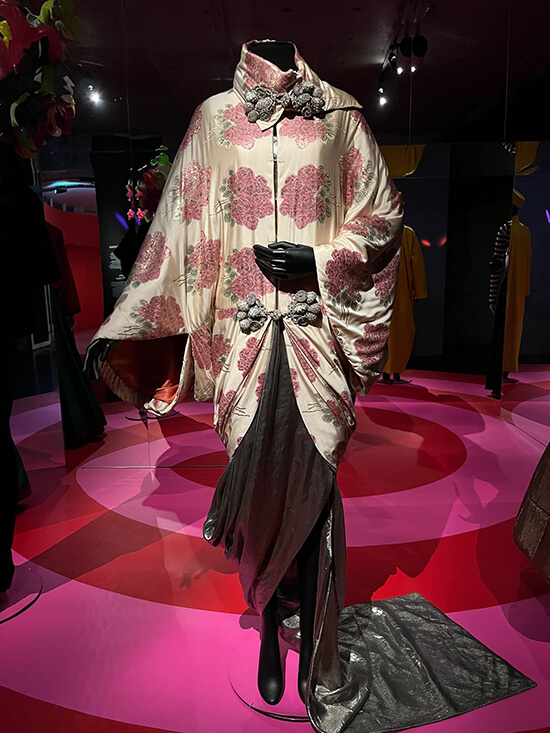
In Britain, he caused an uproar with his show at 10 Downing Street when anecdotes about “half nude models running amok” fueled negative press and even the House of Commons deemed it unpatriotic and damaging to British trade.
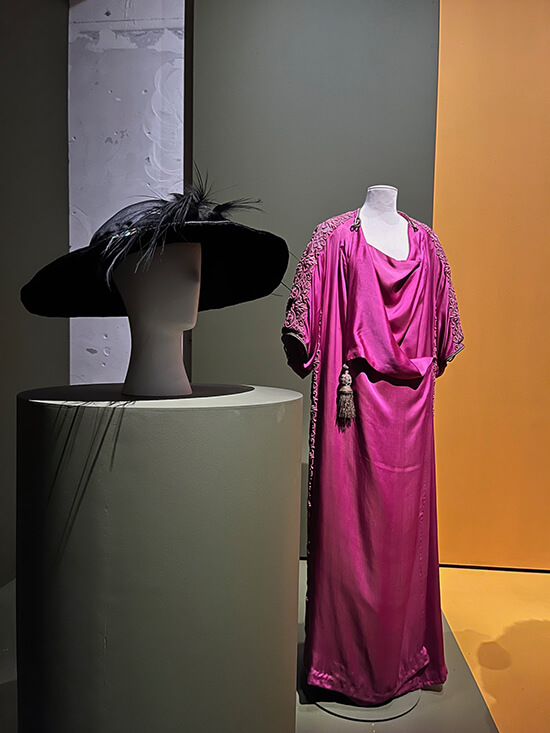
All of this furore further boosted his recognition in Vogue and other publications. He had such a gift for marketing that as early as 1911, he was already taking his models on journeys through European capitals where he staged shows as both social affairs and publicity events. These were also vital R&D opportunities to meet artists, visit museums, purchase textiles and embroidery—virtual research missions to serve his fashion by renewing cuts and colors.
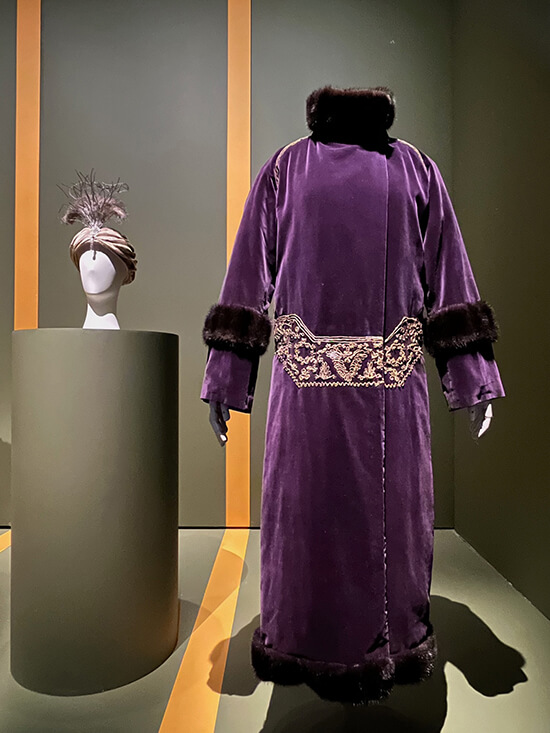
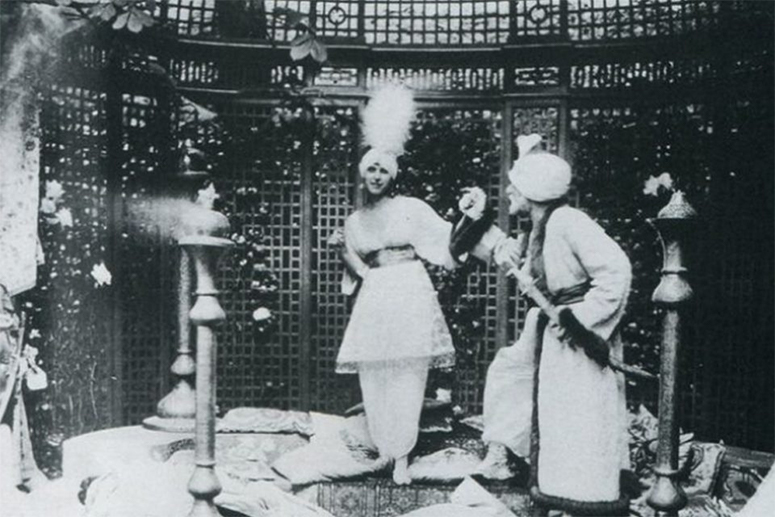
Back home, he promoted his new work with lavish parties like the legendary “Thousand and Second Night,” gathering 300 costumed guests in a magical setting where all the arts were employed in the service of his extravagance. He even created a theater, L’Oasis, to make these social events a regular affair. To seek out new talent, he built an extensive art collection that reflected his curiosity.
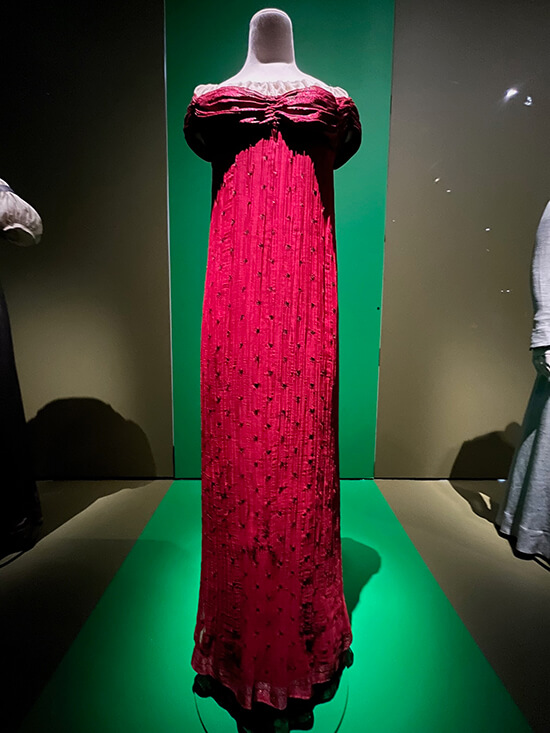
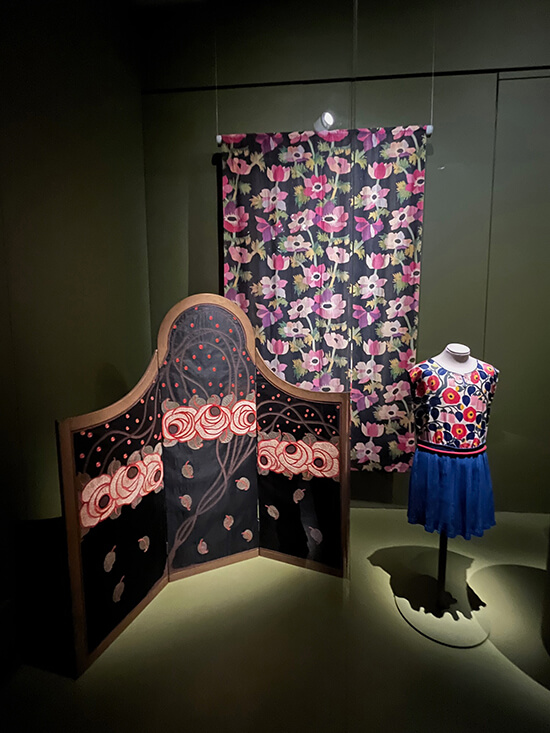
Meanwhile, he was expanding his company rapidly, being the first to create his own line of perfume called Rosine, and the first to open an interior design store, Atelier Martine, as well as the Packaging Atelier of Colin. In gastronomy, he opened dining establishments and published a book of recipes from top chefs. His wide interests even landed him in theater when he accepted a role in Colette’s play, La Vagabonde.
But his grand projet, which ultimately caused his downfall, was his participation at the 1929 International Exhibition where he presented his creative universe in three barges moored along the Seine. The bold and costly initiative failed to achieve the desired success since the luxury clientele did not materialize.
He never recovered from this financial setback, which reflected how he was increasingly out of touch, even with fashion, where Chanel’s practical, understated clothes were gaining ground for women who enjoyed more freedom after WWI. Poiret continued to design opulent garments that were too cumbersome. Chanel’s “poverty of luxury” that Poiret disdained turned out to be the zeitgeist, so that when Poiret asked her why she was always wearing black, her reply was “for your funeral,” presaging the selling of his house and his leaving it permanently in 1929.
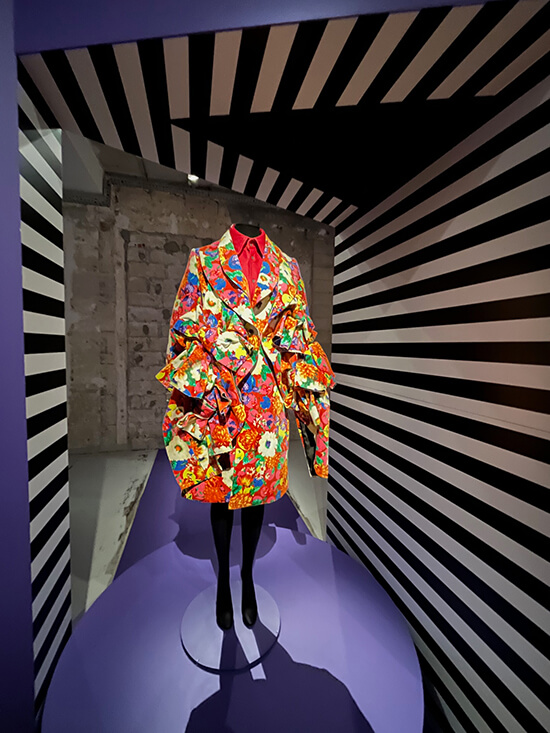
Divorced from his wife, he had to survive on odd jobs as a street painter and selling drawings to customers at cafes. “He kept the energy for creation even at the end of his life when he was very poor and already forgotten, says De la Carrière. “You can think that it’s a tragic life but the exhibit gives a feeling of optimism as we give him a unique homage.” And it is quite a tribute indeed, assembling all the pieces that comprise his oeuvre in different disciplines as well as the works of designers that were inspired by him, from Christian Dior in the 1940s to the Japanese led by Rei Kawakubo in the 1990s, to the new breed today like Alphonse Maitrepierre.