

LIST: How much is tuition in top PH law schools?
At the 2025 Bar exams, among the passers were siblings, actors, individuals who took the exam multiple times, delivery riders, even someone who got her law degree while battling cancer. Becoming a lawyer is a dream that touches people from every social demographic.
Is law school calling your name, too?
If the recent batch of Bar passers has inspired you to follow in their footsteps, let PhilSTAR L!fe make the direction clearer with a list of tuition fees in the country's top law schools.
Ateneo de Manila University School of Law

For the fifth consecutive year, the Ateneo de Manila School of Law ranked first among the top-performing schools with more than 100 Bar takers. At the 2025 Bar exams, the school's passing rate was 98.11%; 104 out of 106 of its first-time examinees passed.
Like in other universities, the final tuition rates are published during registration, as these depend on a student's number of units and other factors. However, general rates for the Juris Doctor program of academic year 2025–2026 were available at the ALS Office of the Registrar, as shown below. PhilSTAR L!fe used rounded off figures; in cases with a fee difference of P5,000 per semester, the figures shown will be on average.
- Year 1: ~P145,000 per semester
- Year 2: ~P158,000 per semester
- Year 3: ~P165,000 per semester
- Year 4: ~P181,000 per semester
Deadline of application
Application for the ALS Juris Doctor program is ongoing until Feb. 28, 2026 at 11:59 p.m. Find here the eligibility and admission requirements.
De La Salle University Tañada-Diokno School of Law
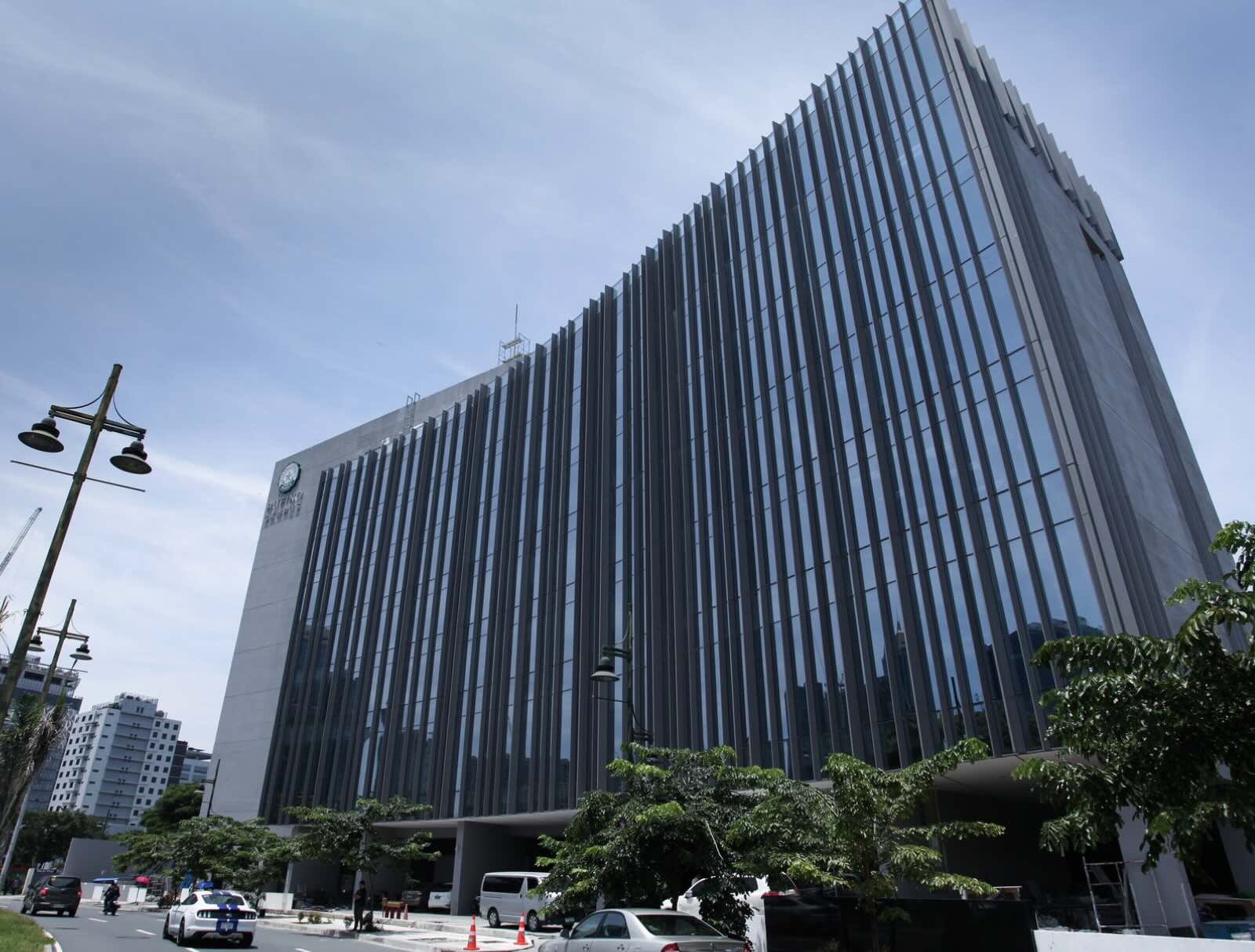
Ranking second among the country's top law schools with 51–100 first-time examinees at the 2025 Bar exams, the De La Salle University Tañada-Diokno School of Law had a 94.34% passing rate for first-time takers and an 82.89% overall passing rate.
There are no published tuition fees for the coming school year at the DLSU Tañada-Diokno School of Law, whose campus is in Bonifacio Global City. However, the 2025–2026 schedule of fees for Graduate Studies can give applicants an idea.
One unit under the Juris Doctor program fetches approximately P3,980. A full load of 18 to 19 units may usually offer a tuition of P90,000 to P100,000 per semester; this would already include other school and miscellaneous fees.
Deadline of application
The application period for the first semester of academic year 2026–2027 will begin on Jan. 12 and run until March 21. Applicants will then be scheduled for the DLSU Juris Doctor Aptitude Test, with online testing given on a first-come-first served basis.
Exams will be given in March. Check here for application procedures.
Pamantasan ng Lungsod ng Maynila College of Law
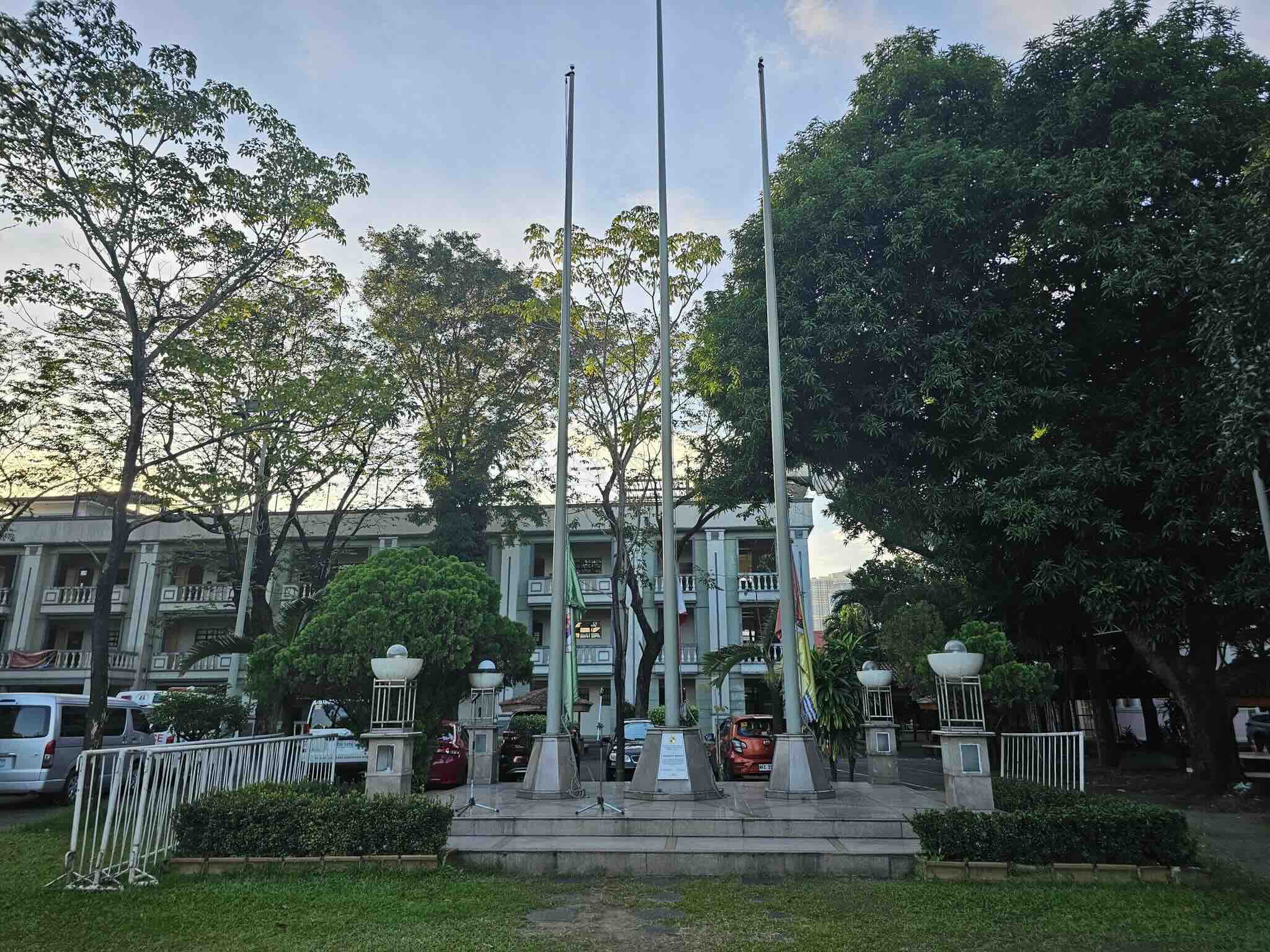
As a state school, the College of Law at the Pamantasan ng Lungsod ng Maynila is one of the most affordable law schools in the country, especially for Manila residents. The school has also consistently appeared among the Philippines' top law schools. At the 2025 Bar exams, PLM College of Law had a passing rate of 85% for its first-time takers.
Undergraduate students at PLM pay zero basic tuition fees as the university is city-funded. The College of Law may offer qualified Manila residents priority or even potentially full scholarships.
Non-Manila residents may still apply for scholarships, but residents are given priority. However, tuition rates, even in full, at the PLM College of Law are still much lower compared to private law schools in the country.
These rates are estimated to be anywhere between P15,000 to P30,000 per semester for all four years of the Juris Doctor program.
Deadline of application
While no dates have been given for the PLM College of Law Admission Test for school year 2026–2027, we may get an idea from last year's schedule, where online applications ran from late January 2025 to the middle of June 2025.
Check here for updates.
Polytechnic University of the Philippines College of Law

Polytechnic University of the Philippines College of Law had a passing rate of 94.2% at the 2025 Bar exams, giving the school the third spot among law schools with 51 to 100 examinees. The country now has 65 new Bar passers from PUP College of Law.
Being part of a state university, the PUP College of Law offers low-cost tuition, which is subsidized by the Universal Access to Quality Tertiary Education Act. Students pay an average of P500 per unit, with each semester in the four-year Juris Doctor program requiring 16 to 22 units. Basic tuition, then, per semester may fetch a fee of P8,000 to P11,000, exclusive of additional school and miscellaneous fees. Take note that exact costs will vary depending on the number of units and extra fees.
Deadline of application
Online application for PUP College of Law for school year 2026–2027 is ongoing until Jan. 30, 2026; the entrance exam is scheduled on Feb. 15, 2026. Check here for application requirements and other dates to take note of.
Saint Louis University School of Law
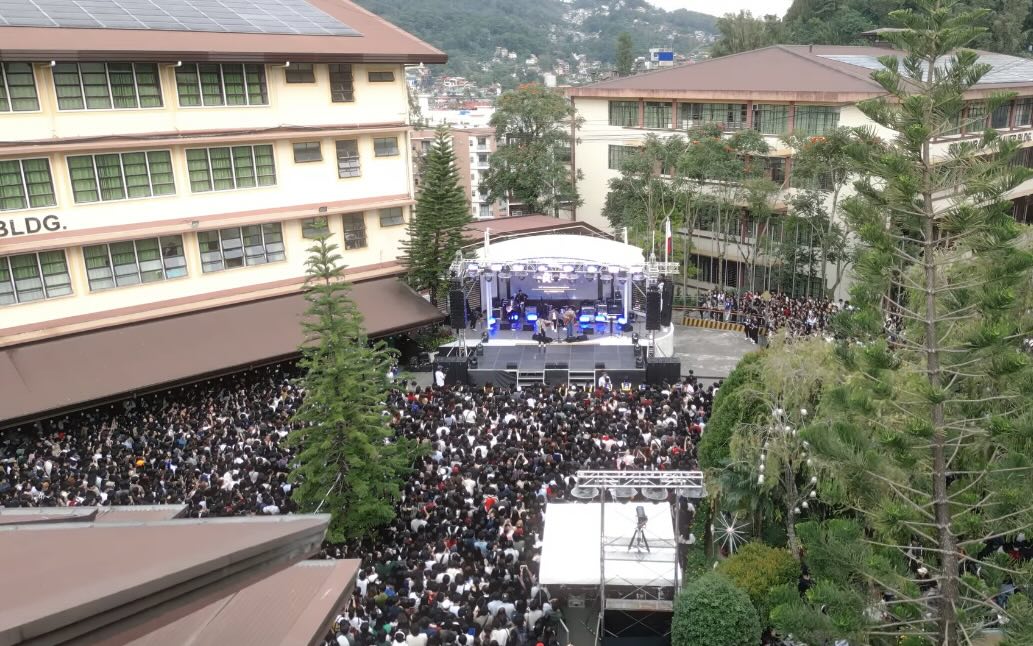
Among the top-performing law schools with 11 to 50 first-time candidates, Saint Louis University School of Law ranked second at the 2025 Bar exams, with a passing rate of 97%—34 of the 35 takers from the university passed.
The university is the largest Catholic university north of Manila, located in Baguio City.
According to the university's admission brochure, tuition per semester for the Juris Doctor program is P50,385, which may be adjusted depending on other additional fees.
Deadline of application
Although the university has not released official application dates for school year 2026–2027 yet, applications for the next one normally run until April or later. Follow Saint Louis University School of Law on Facebook for announcements. Or check their website for further details.
University of Santo Tomas Faculty of Civil Law

Among the 2025 top 10 Bar passers, three of them graduated from the Faculty of Civil Law at the University of Sto. Tomas, including the second placer. Not only does Asia's oldest university produce award-winning artists, it also successfully molds aspiring lawyers.
The university published a copy of the schedule of fees for academic year 2025–2026, including fees for all four years of its Faculty of Civil Law program. Find below the rounded-off tuition per semester. In addition to the basic tuition, these figures include miscellaneous fees and other charges.
- Year 1: ~P74,500 per semester
- Year 2: ~84,000 per semester
- Year 3: ~P78,000 per semester
- Year 4: ~P84,000 per semester
Note that these may not be the same fees for the next school year. Use them just to get an idea. The Faculty of Civil Law at UST releases the final tuition fees before each academic year. Amounts may vary per semester depending on the number of units in a student's load, miscellaneous fees, and other charges.
Deadline of application
Normally, UST's Faculty of Civil Law runs its application period from March to July every year. Check here for admission updates for the coming school year.
University of the Philippines College of Law

With a University of the Philippines College of Law graduate topping the 2025 Bar, UP once again proves its consistency in producing outstanding students. It achieved a 96.8% passing rate for first-time takers and a 94.6% overall passing rate.
While the university does not post fixed tuition fees for public consumption, numerous reports pin the cost per unit at the UP College of Law's Juris Doctor program at P1,500. One semester with a full load, between 16 to 19 units, may then cost P25,000 to P30,000, with miscellaneous fees added.
However, many students may pay much less, with the basic tuition waived for some, under UP's Socialized Tuition System. Qualified scholars may even receive stipends in addition to a full free ride.
Deadline of application
Registration for the Law Aptitude Examination is ongoing until Jan. 31, 2026. The deadline for payment of the LAE fee is Feb 8. On Feb. 15, a technical assessment will be conducted, where applicants can check the adequacy of their devices and internet speed.
The exam will be held on March 1, 2026. Check the LAE Portal, under FAQs, for details about the application process, requirements, etc.