

Always anonymous: How does one become a MICHELIN Guide inspector?
The recent launch of the first Philippine MICHELIN Guide has Filipinos focusing on a group of gastronomic spies: the elusive MICHELIN Guide inspectors, who are tasked to make recommendations on which dining places across the globe are world-class, and therefore, worth visiting.
In the 2015 fictional film Burnt starring Bradley Cooper, we get an idea about how people imagine MICHELIN Guide inspectors conduct their business.
“No one knows who they are. They come; they eat; they go. But they have habits,” says the maitre’d in Burnt. They eat in pairs, he adds. They book a table before 7:30; one orders the tasting menu, the other, à la carte; and they quietly place a fork on the floor and observe how long it takes a server to replace it.
While the mystery surrounding MICHELIN Guide inspectors prevents us from verifying most of this information from Hollywood, the fictional maitre’d got one thing right: These inspectors like to maintain their anonymity. Even the top executives at MICHELIN don’t know who these inspectors are, who are always booking a table under one of their assumed names. This way, they get the same quality of service and food as everybody else.
According to the MICHELIN Guide’s website, “Anonymity and independence are therefore [the inspectors’] most useful weapons.”
Who are they, and how do they become inspectors?
We only know their “leader,” Gwendal Poullennec, international director of The MICHELIN Guide, who was present at the Oct. 30 ceremony when the Philippines’ first MICHELIN Guide was unveiled.
“I’m the public face of the famously anonymous inspectors,” he said in a 2020 video.
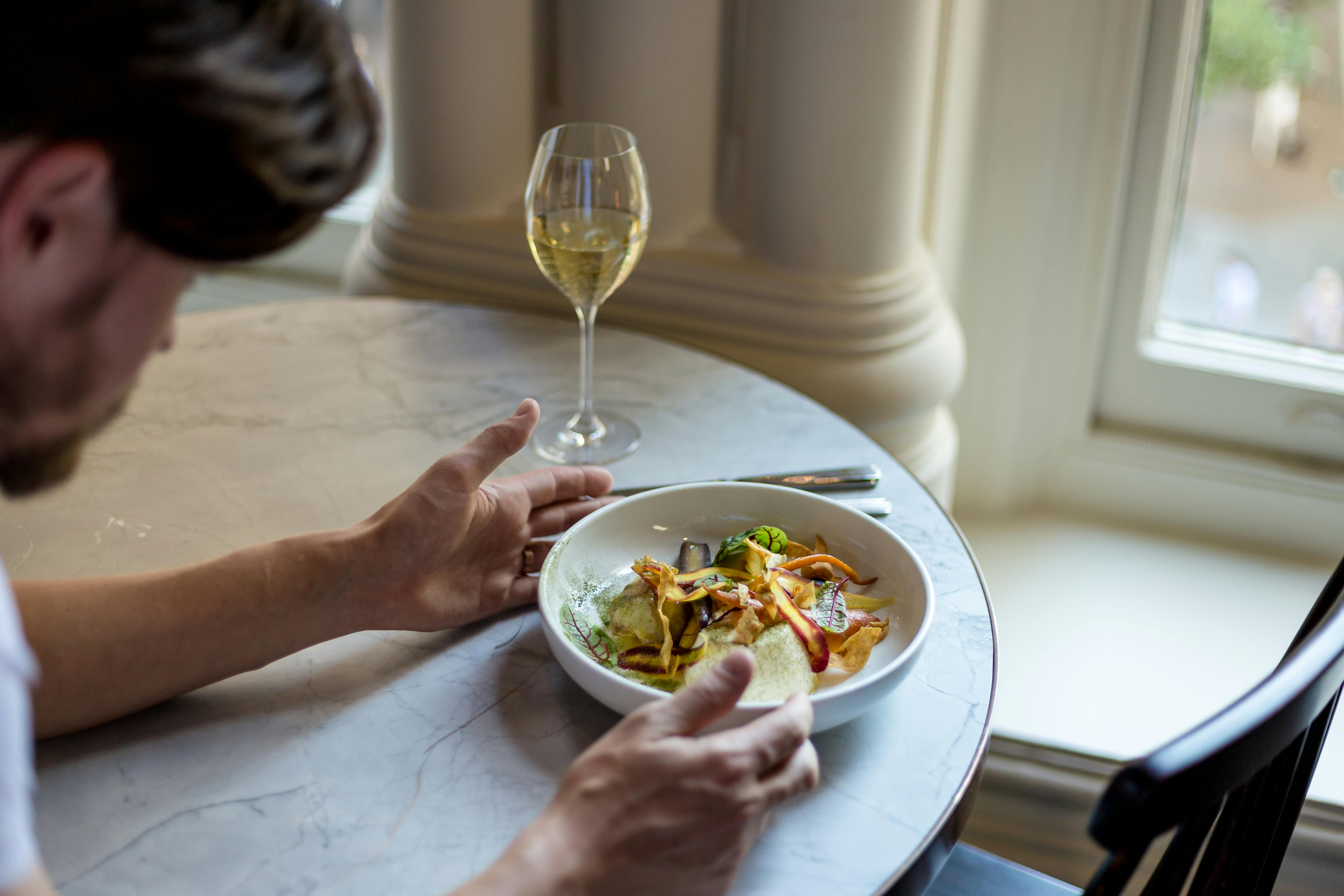
For one to become an inspector, the company has numerous requirements from a candidate: years of experience in the restaurant and hotel industry—six years as head chef or 10 years as a hotel manager—a sophisticated, worldly palate, comprehensive knowledge of global culinary cultures, as well as produce, and the ability to judge a wide variety of cuisines objectively despite personal taste.
In an interview with a MICHELIN inspector, they shared that they applied via its website and were contacted for several interviews. Part of their application was a "tasting test" to ensure they were fit for the job.
As of 2020, Poullennec’s team was composed of 15 different nationalities speaking more than 25 languages.
When asked about the pros and cons of their job, the MICHELIN inspector said, "We are not only getting to expand our culinary horizon by experiencing different cuisines and learning about cultural differences from each country, but also learning something new every day. The cons are trying to remain fit and always having to be ready to go to work."
What criteria do inspectors base their ratings on?
The MICHELIN inspector in the same interview said they eat 10 meals or more every week.
How do they pick dining places to visit? "We have a standard measurement in selecting a restaurant from various sources, including from other inspectors."
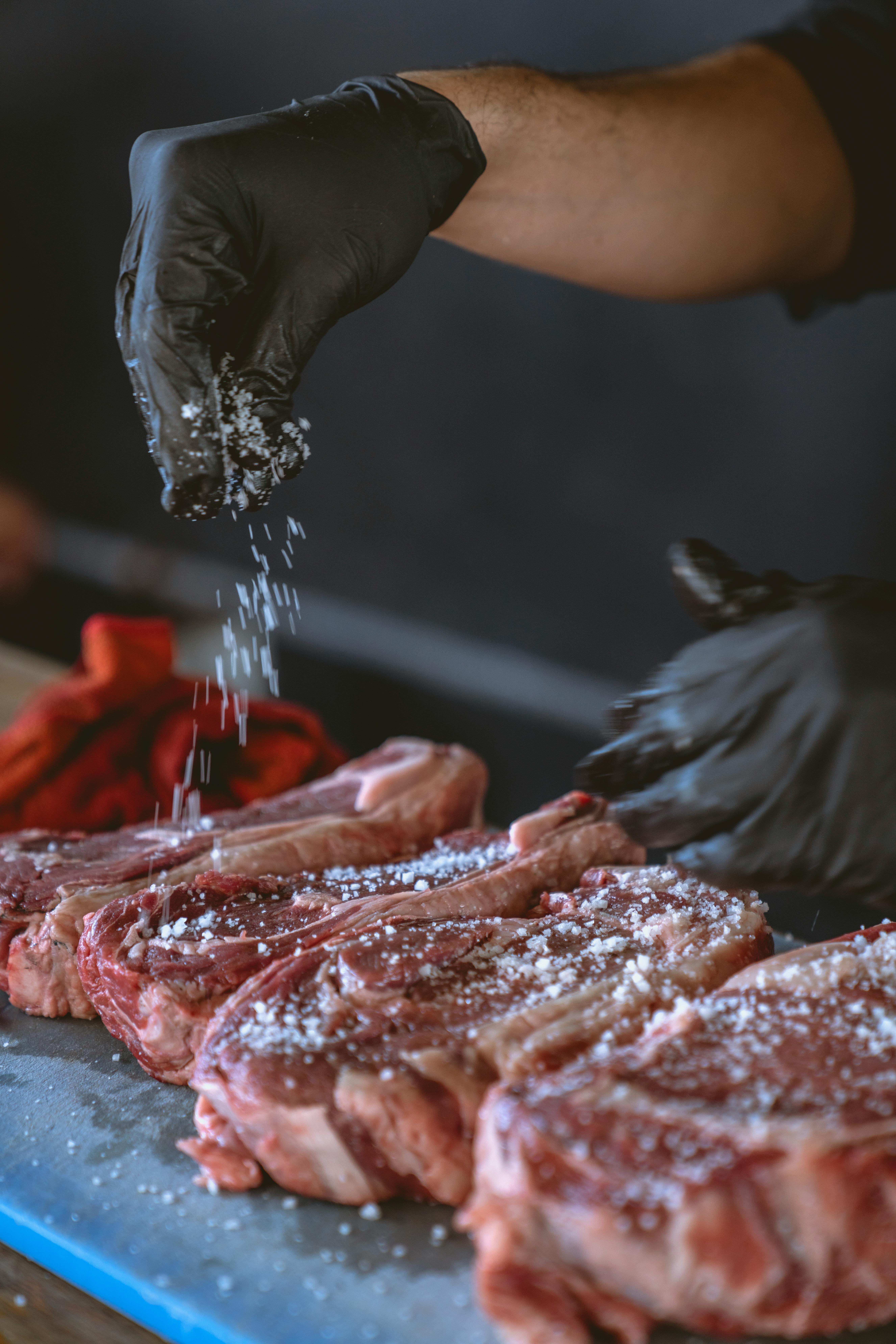
Inspectors assess dishes based on five points: the quality of ingredients, the chef’s mastery of culinary techniques, the balance of flavors, the “personality and emotion” conveyed by the chef through their dishes, and consistency of the menu.
There is research involved as well. Inspectors check the chef’s background and their culinary direction.
For a restaurant to gain a MICHELIN star (or two, or three), at least two other inspectors visit it on separate occasions to confirm the rating. Each star must be a unanimous decision among all the inspectors.
MICHELIN stars for establishments are decided after rigorous special meetings between Poullennec, the editor of the local MICHELIN Guide, and all the inspectors who assessed the concerned establishments.
Over the course of a year, inspectors update their selection so that the entire group can collaborate on assessments based on their respective visits. They apply the same system to all the establishments they inspect, whether it be a hawker stall in Singapore or a fine-dining restaurant in Paris.