
If scary stories are, well, scary, why do we love them?
I have to admit that I have seen only one Shake, Rattle & Roll movie—back in uni, with my ex-girlfriend. Since the Metro Manila Film Festival began in 1975, the SRR franchise has fielded 15 entries and a 16th this coming December: Shake Rattle & Roll Evil Origins.
December may still be months away, but for many Filipinos, it’s anticipated as a time for cheers and screams. Even as Jose Mari Chan battles Mariah Carey for Yuletide glory, local filmmakers try to cash in on an entire Christmas-to-New Year stretch with zero competition from foreign films, at least in Metro Manila. And here, SRR reigns supreme in the horror genre.
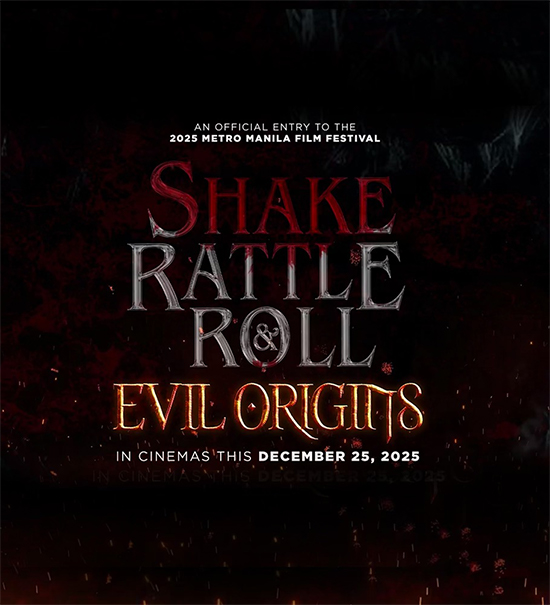
To put it in perspective, Halloween has about 13 films, Friday the 13th has 12, and Hellraiser has 11. Yet here we are, with our own proudly Pinoy horror franchise, outlasting the competition.
Local spine-tingling tales hit differently because most of them are steeped in folklore. The aswang, tiktik, and manananggal are creatures older than our grandparents’ portraits. There are others, like the cigar-smoking, tree-dwelling kapre, or the reverse-centaur called tikbalang who can lead the unsuspecting astray, but they’re hardly horror material compared to a winged torso on the prowl.
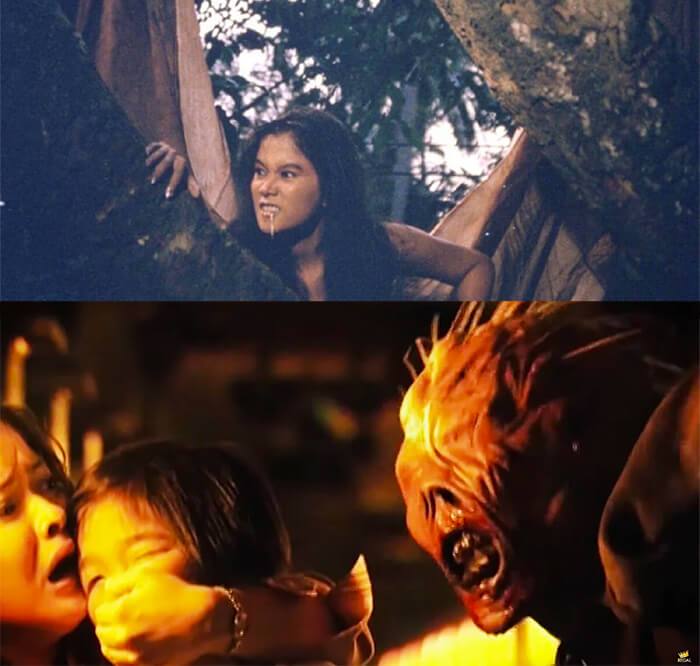
The manananggal, in particular, offers an entirely different kind of fright: usually disguised as an innocent-looking and beautiful barrio lass by day, she splits her body in two at night, parking her lower half from the waist down in a rice field or bamboo grove while her upper half takes flight, hunting victims clad in nothing but her baro and bat wings. To stop her, tormented barrio folk search for the abandoned lower half and sprinkle salt on it—no need for Himalayan pink or gourmet flakes; plain sea salt from the local market will prevent her two halves from “volting” in. If the manananggal can’t rejoin her body before sunrise—poof!—she burns, like a vampire caught without sunscreen.
These creatures are so iconic they’ve even crossed into Western pop culture. The aswang made a chilling appearance in Grimm. In the Season 3 episode “Mommy Dearest,” Fil-Am actor Reggie Lee’s character, Sgt. Wu, was the one who theorized an aswang might be behind the attacks on pregnant women and their unborn child—a rare nod to his heritage, and probably the first time many American viewers realized the Philippines has monsters scarier than the neighborhood clown.
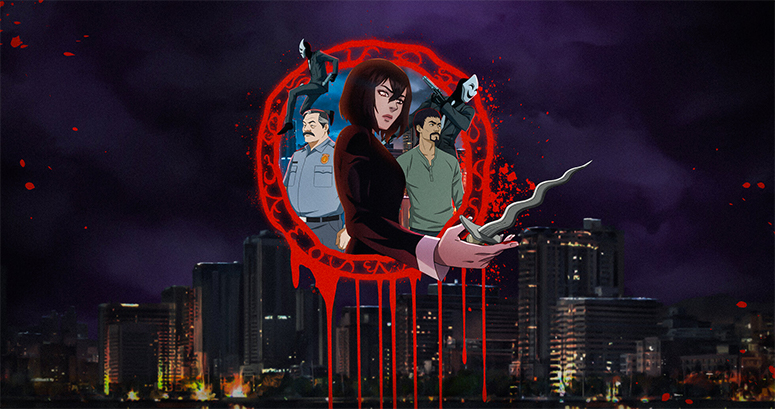
More recently, Trese, the comic book series by Budjette Tan and Kajo Baldisimo (and its 2021 Netflix anime-style adaptation), brought our folklore to a global audience. Imagine EDSA at rush hour, but instead of the usual traffic, there are white ladies, tiyanaks (demonic imps), and Choc Nut-gobbling Nuno sa Manhole roaming the cityscape along with the usual gang of supernatural beings.
If scary stories are, well, scary, why do we love them?
Psychologists point to the “safe scare,” that adrenaline rush we get when frightened in a controlled environment. It’s like riding an extreme rollercoaster, minus the risk of losing your lunch, dentures, or phone on a loop. In the cinema, we scream together, laugh nervously together, and emerge victorious together. It’s an entirely new kind of bayanihan, one that raises not houses but the hair on our nape.
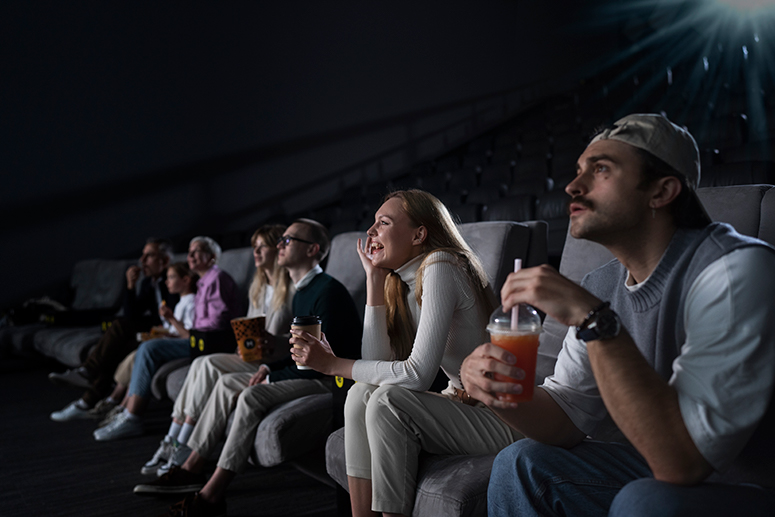
And maybe, deep down, it’s because horror feels familiar. In a country where we brave typhoons, traffic, tuition hikes, skyrocketing commodity prices, shady contractors, and crooked public servants, a manananggal hovering outside the window is nothing.
Of course, like art or food appreciation, horror is subjective. For some, The Conjuring is an addictive escape from the true horrors of everyday life. Others still can’t shake off The Ring more than two decades later. Having an alien life form use you as an incubator for its seemingly indestructible spawn is the nightmare introduced, and still being introduced, into our collective consciousness by the Alien franchise.
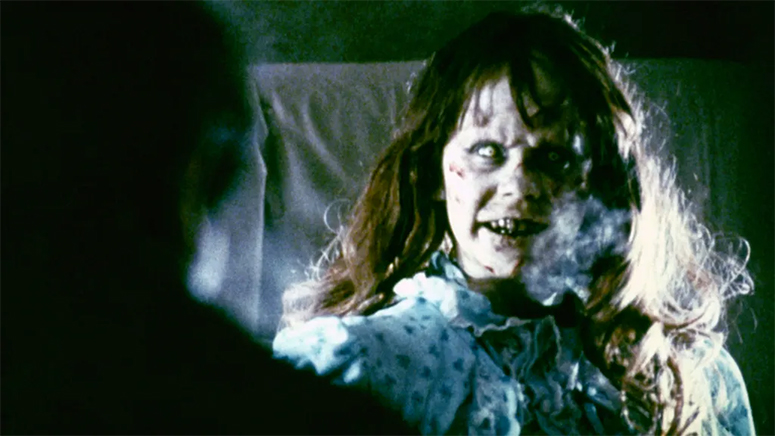
What terrifies me might make others giggle, and vice-versa. Critics almost always put The Exorcist at the top of the scariest-movie list, with Linda Blair’s head-spinning Regan becoming cinema’s most imitated possession victim. I didn’t jump off my seat at that. I actually thought it was funny.
Then there’s The Omen, which may have inspired the Final Destination franchise with its “creative deaths.” Other memorable classics include Psycho and The Shining, thanks in no small part to Anthony Perkins and Jack Nicholson.
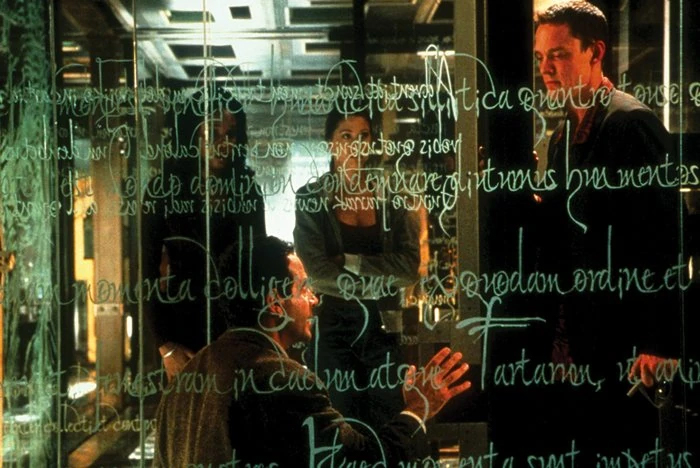
My personal bias is Thir13en Ghosts. I don’t know if it’s just me, but that glass-walled haunted house of horrors gave me Ghostbusters vibes, only without the fun and comedy. I’m not sure if I’ll be putting the planned series on my playlist. God help me if I end up watching it at home, alone, at night.
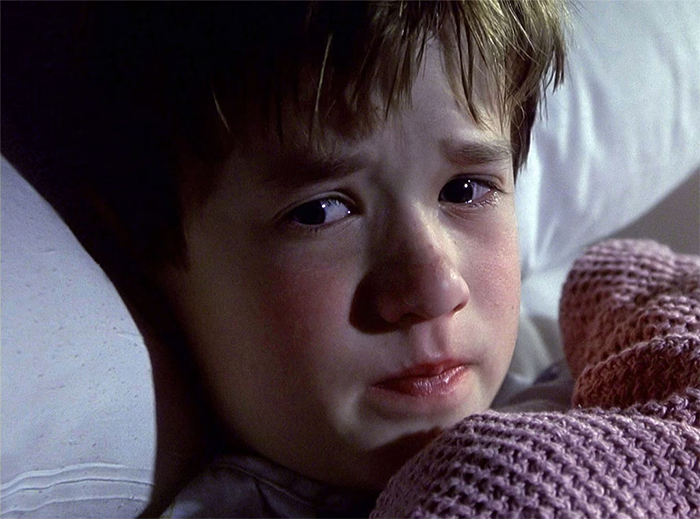
And while The Sixth Sense isn’t technically horror, when young Haley Joel Osment whispered, “I see dead people,” I got goosebumps so bad I had to check my surroundings. Creepy as hell. That line—and maybe the kid actor, too.
At the end of the day, horror stories are like dinuguan or balut—delicious for many, disgusting for others, but undeniably part of our cultural menu.
So, this Halloween, wear your best costume, go Trick-or-Treating, and binge on the classic dark films available for streaming. But don’t forget to glance at the ceiling before you sleep or peek under your bed. If you hear wings fluttering outside, it might just be the wind. Or maybe it’s your friendly neighborhood manananggal, wandering around in search of a midnight snack.
Shake, Rattle & Roll Evil Origins will have to wait until Christmas.
Sweet screams, everyone.