A ghost story in a land of disbelief
I saw the animal inside my room at the Roha Hotel in Lalibela, Ethiopia. It was not a flash of shadow or the kind of after-image that a tired mind would invent. I saw white fur, a low, sleek length, and the sudden, silent ripple of a cat-like movement. It crossed the floor with purpose and vanished, and it should not have been there. The windows were closed and latched and the door had not been opened since I entered. Yet the animal appeared and disappeared with the assurance of something that belongs.
I called reception. Two men arrived with the kind of politeness reserved for foreign panic. They checked the wardrobe and the curtains and the corners and even under the bed. I watched them go through the room with method. I was calm in that moment. They found nothing. There was no sign that anything had entered or escaped. They left. I was alone again.
Night in that hotel had a private intelligence. The building was a quadrangle, and in the center of it was a patch of forest that was not ornamental. The trees were old and the growth dense. You felt it breathe. Around midnight I left the room to steal the wireless signal that lived only in reception, which was housed in a separate wing through a connecting passage. I followed the corridor with my eyes on the lit face of my iPad. I circled the inner courtyard. I saw a fire extinguisher cabinet, a potted fern, and a dark window pane with a crack on one side, then I saw them again. I walked a full circuit, then another, before I realized that the opening to the other building, which had been there moments ago, was gone. The seamless, white-painted wall had closed over it. It was as if the corridor had been rearranged behind me, or was rearranging itself as I walked. Fear came not as shock but as a slow rising that touched the spine and stayed. I stopped looking for reception and hurried back to my door.
The brass key to the room was long and cold and heavy like something used to seal a tomb of dark stone. My hand shook. I failed again and again to find the keyhole. The courtyard was dark and the inner wood seemed close to the glass. I saw something form at the limit of my vision. The memory of the white animal stood up inside the dark. I turned the key at last and entered and locked the door again. The lights died that second. It was too exact. I climbed into bed and hid under the sheet. The gesture was childish but my body submitted. I thought of knocking next door but I knew I wouldn’t survive the walk.
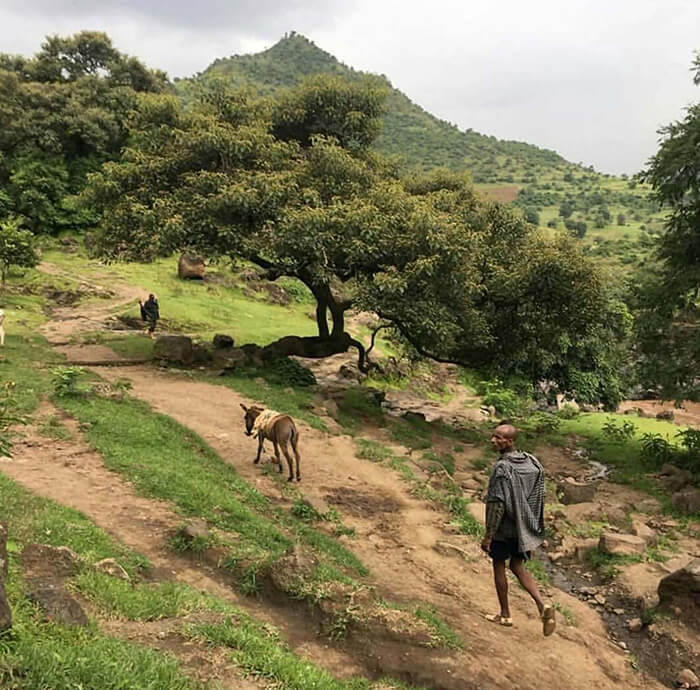
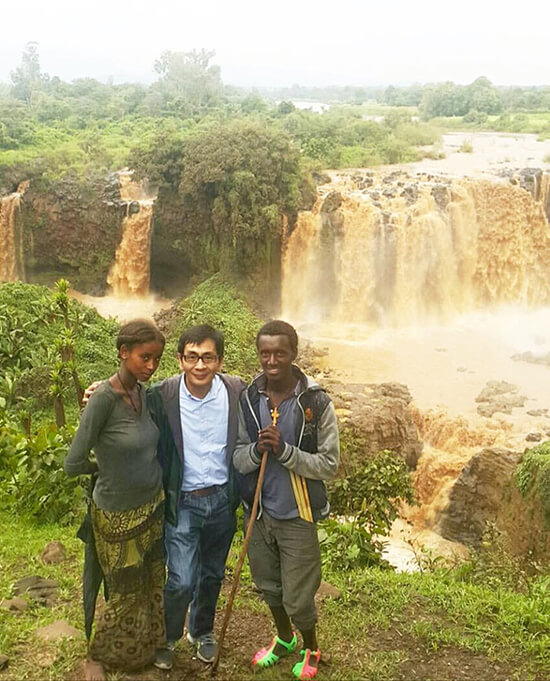
The next day I began asking about ghosts. I asked the polished young men and women from Addis Ababa. I asked the mountain people near the Blue Nile in Bahir Dar. There was consensus. They said there are no ghosts. They said the spirit doesn’t wander. They said fear is human manufacture. They spoke with the efficiency of people who do not negotiate with superstition. This absolute certainty was deeply theological in nature.
Ethiopia is home to the Orthodox Tewahedo Church, one of the oldest Christian churches in existence. Its faith began in the fourth century CE when King Ezana of Axum adopted the creed, establishing a continuous Christian tradition for over 1,600 years. Because this history is unbroken, and the belief in the Holy Trinity and the communion of saints is absolute, there is no conceptual space for restless spirits. The doctrine holds that when the body dies, the soul immediately goes to its designated place, whether heaven or hell, and simply does not linger on Earth. The idea of a wandering, earthbound ghost is therefore incompatible with their truth, a foreign concept rooted in the fears of societies that have forgotten how real the living threats are. In this ancient tradition, they have been free of the influence of paganism or animism for centuries. The spiritual forces that matter are only those of God and Jesus.
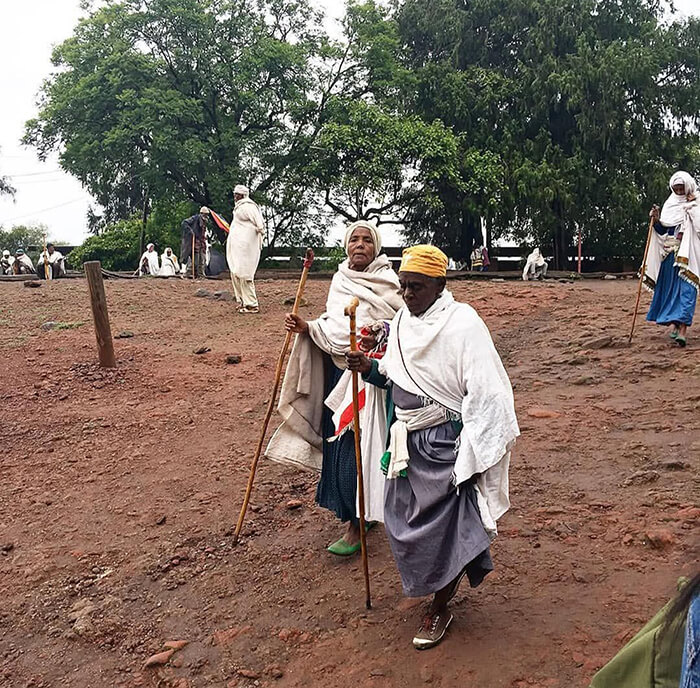
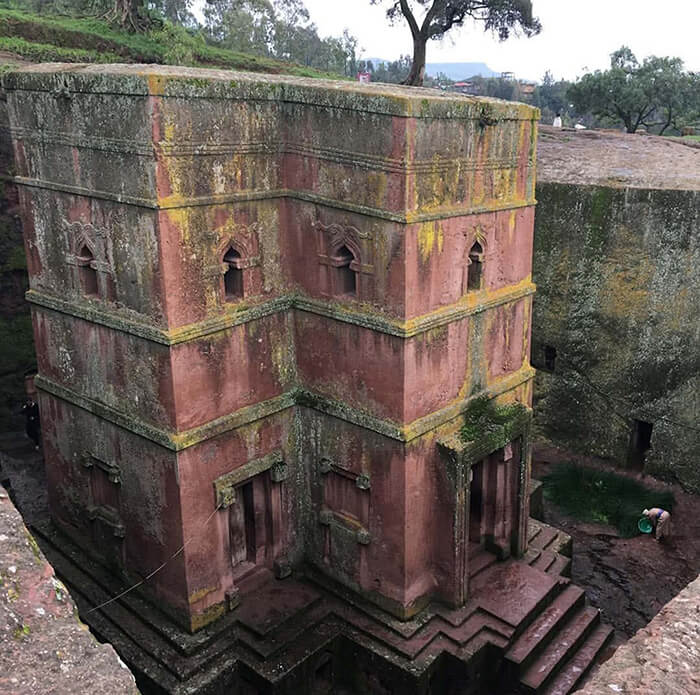
Yet the churches of Lalibela do not honor that certainty. They hold another order. They are cut from a single body of volcanic rock and sunk into the earth like vaults. You descend through trench-like passages and find a city of stone below the level of the world. Pilgrims call it the Second Jerusalem. Priests say angels did the carving. The air inside is wet and mineral and old with vigil. The floors echo under bare feet with the sound of massed stone. A place like that assigns a weight to unseen presence that arguments cannot disperse.
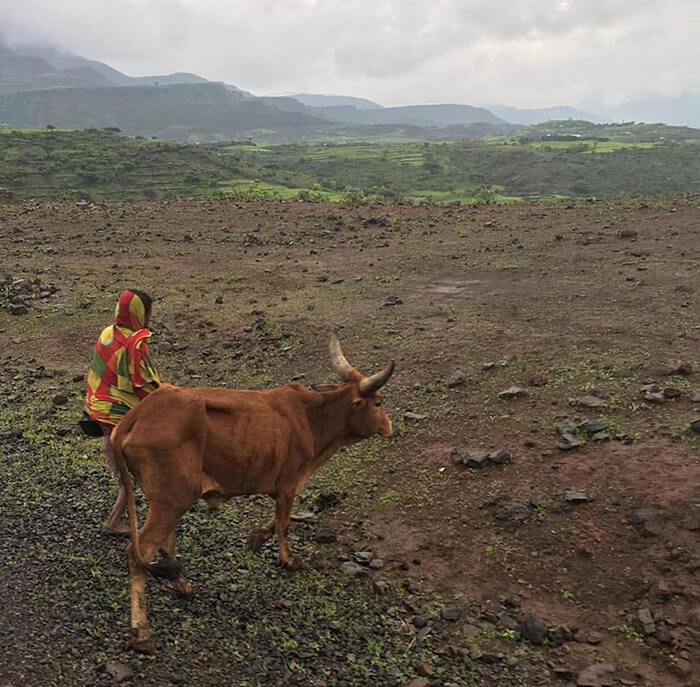
Outside the perimeter of that sanctity the world resumes its noise. Diesel fumes cloud the market road. Men call for fares beside battered minibuses. Vendors slap fly whisks over piles of Abyssinian gooseberries and Arabica beans. There is heat and traffic and bargaining and the sound of children and the modern impatience of a growing capital. The roads around Lalibela strangely trade in fake DVDs of Hollywood horror featuring zombies and werewolves and decapitated nuns, an ironic contrast to the nation’s ancient beliefs. Ethiopia keeps both identities without apology. The ancient city of rock prayer sits within a country that runs on engines and asphalt and trade. It is this coexistence that troubles sleep. The sacred doesn’t lie in a sealed glass case. It breathes in the same air as metal and price and carbon.
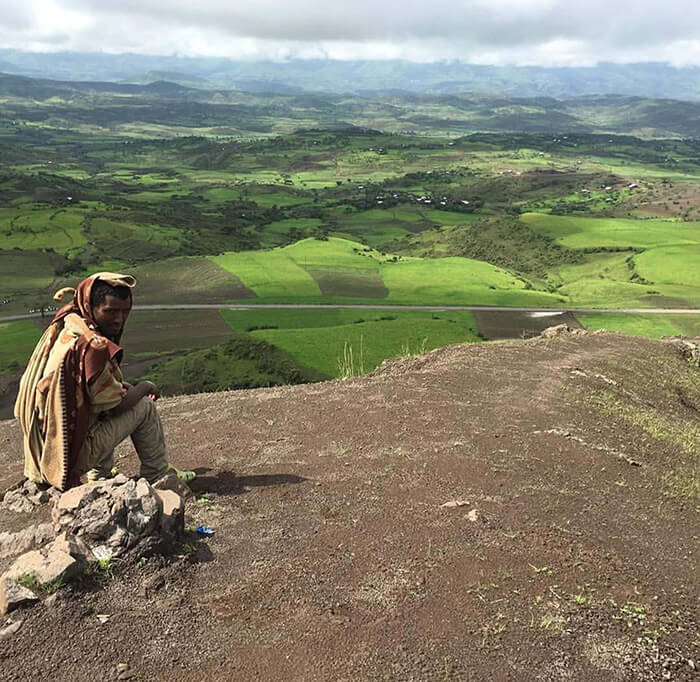
I returned to Roha burdened by that deep contradiction. The sky was heavy with a color between violet and rust. The trees in the courtyard held their darkness. The room smelled of stone after rain. The bed was made yet the air felt occupied. I couldn’t release the thought that something had entered and had not left. The animal with its white coat and quick certainty returned. The search that found nothing played back in my mind. The key and the blackout and the ringed corridors that refused to open toward reception all surfaced. The unanimity of those who told me ghosts don’t exist settled in, and I understood that disbelief can behave like a ritual of its own. It doesn’t erase the unknown. It only denies vocabulary.
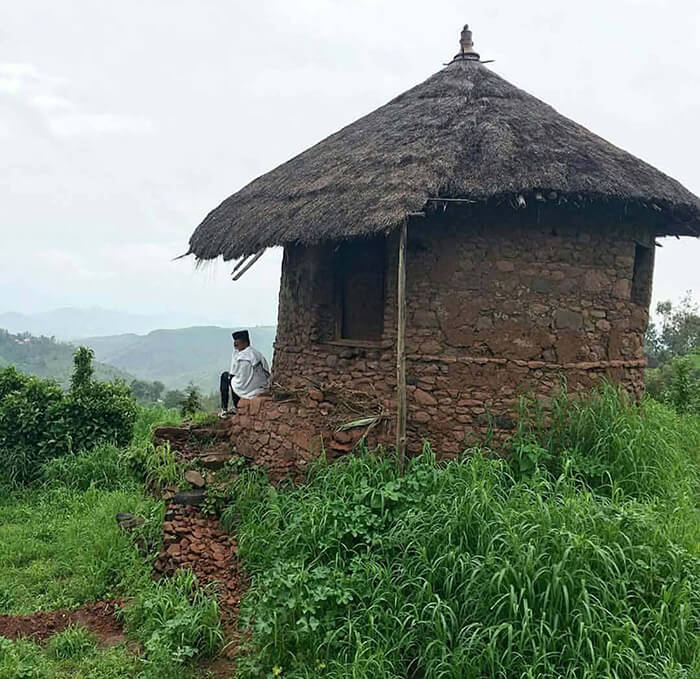
Night deepened. I lay down with the lamp on. The sheet climbed to my face again. I waited for sound or heat or breath. Nothing came. Yet the fear did not loosen. Some hauntings do not require a figure. They prosper in rooms where something has already been witnessed and cannot be reasoned away. You live in the afterlife of that one event. The mind keeps the door unlocked for what may return.