Two lives, rare illnesses, and the shared courage to keep going
There are moments in life when we look at someone we admire and think: “They’re invincible.” Then suddenly we realize, no one is.
Two recent stories—one involving the celebrated media personality Kris Aquino, the other involving distinguished public relations consultant Susan P. Joven—remind us how fragile human health can be, how rare illnesses can strike anyone, and how resilience and compassion matter more than ever.
Kris Aquino: A public figure, a private battle

Kris Aquino has, for decades, been known as the “Queen of All Media.” Her public persona is confident and charismatic, but behind it lies a very difficult journey. Several years ago, she revealed that she is battling multiple autoimmune disorders—conditions in which the immune system, instead of protecting the body, begins attacking its own healthy tissue.
In July 2025, she shared in one of her updates that she has been diagnosed with 11 autoimmune diseases and is now using a wheelchair due to mobility issues. Earlier this year, she described extreme pain—knee to feet—saying “each step is agony” and that she weighed only about 36 kg. (80 lbs).
It’s difficult to accept every night when I sleep that there may be no tomorrow for me. —Kris Aquino
What does this mean in plain terms?
Autoimmune diseases such as lupus, rheumatoid arthritis, vasculitis, polymyositis, and others are chronic, complex, and often unpredictable. They can cause pain, fatigue, organ damage, and impaired mobility.
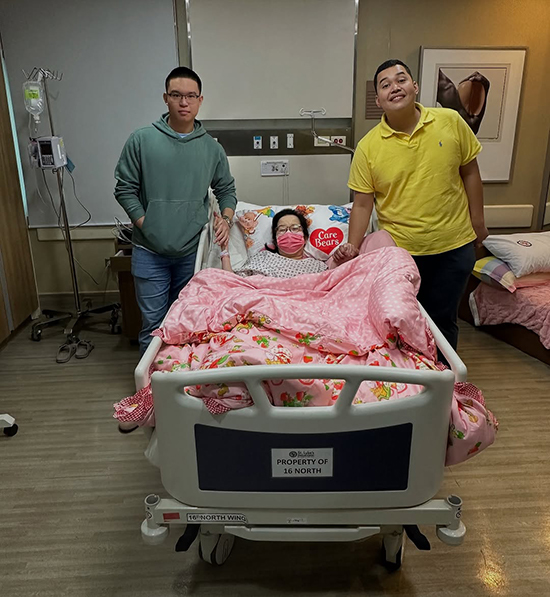
Frequent hospital tests, treatments like immunosuppressants, infusion sessions, isolation (because these treatments lower immunity) demanding regimen become part of daily life. Kris announced a six-month preventive isolation because her immunity would be drastically reduced while she received one of her treatments.
The emotional toll is substantial. In her posts, she admitted: “It’s difficult to accept every night when I sleep that there may be no tomorrow for me.”
And yet, even in her weakness, she speaks of hope: about her sons, about faith, about never giving up (#hindisusuko).
Her story reminds us: Public figures are people, too. They may smile for the camera, but behind that smile may be deep, unseen suffering. And those with rare and chronic illnesses are often left fighting on multiple fronts—physical, emotional, financial, relational.
Susan Joven: A career of impact, a rare illness that struck
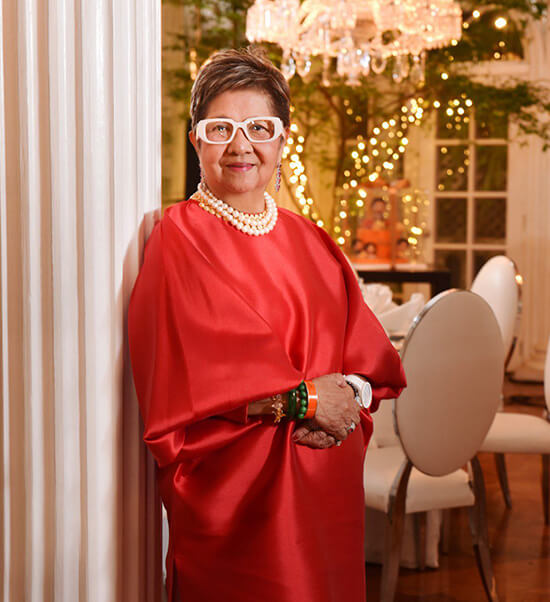
At the other end of this spectrum is Susan Joven, a respected pioneer in the Philippine public relations industry. Her passing on Oct. 17 at the age of 76 drew attention not only to her lifetime of professional accomplishments, but to the rare and devastating illness she fought: Anti-MDA5 positive amyopathic dermatomyositis complicated by rapid interstitial lung disease.
Let’s unpack that in simpler terms:
Dermatomyositis is an autoimmune disease involving inflammation of the muscles (myositis) and skin (dermato-). “Amyopathic” means the muscle weakness may be mild or absent, yet there are serious complications.

The “Anti-MDA5 positive” subtype is very rare and known to be associated with rapidly progressive lung disease (interstitial lung disease, or ILD). Basically, the tiny air sacs of the lungs become scarred, reducing oxygen exchange, causing rapid decline.
“Rapid interstitial lung disease” means the lung damage progresses quickly—and in the case of Susan, the diagnosis came late enough or progressed fast enough that treatment could not avert the fatal outcome.
Her illness shows us how immune system dysregulation can manifest in surprising and aggressive ways. It shows us that even women in their 70s—with a lifetime of achievement—can be felled by diseases that many people have never even heard of.
Why their stories matter
- They shine light on “rare” diseases. For many, autoimmune disease is a vague concept; for others, rare subtypes are virtually unknown. When high-profile people speak these truths, it helps raise awareness and empathy.
- They remind us that health is not guaranteed. Achievement, fame, age, socioeconomic status—none of these protects you fully. Chronic illness can disrupt any life.
- They teach the value of compassion. Kris asks for prayers, admits her vulnerability, shares her pain. Susan may no longer be with us, but her legacy invites us to care for those who suffer silently.
- They underscore the emotional and psychological burdens of chronic disease. It’s not just the physical pain—it’s the anxiety, the wondering “Is there tomorrow?”, the isolation, the impact on family and loved ones.
- They highlight systemic needs. In the Philippines and beyond, rare disease patients often face high costs, long waits, delays in diagnosis, lack of specialized care, and insufficient support networks. These are not individual failings but structural issues.
What we can do: Hope in action
- Raise awareness: Speak up about autoimmune and rare diseases, not as exotic curiosities, but as real burdens with life-altering consequences.
- Support patients: Whether a friend, coworker, or family member, listen with empathy. Offer practical help—rides to the hospital, watching the children, just being present.
- Encourage early diagnosis: Autoimmune disorders can mimic many things (fatigue, joint pain, rash) and be mis- or under-diagnosed. Timely referral to a rheumatologist, pulmonologist, or other specialists can make a difference.
- Advocate for better systems: Rare illnesses often mean expensive treatments, long isolation, and shout-out to caregivers. We need health systems that recognize these burdens, insurance that covers them, and public policy that supports them.
- Cultivate hope: As Kris says, the spirit matters. Faith, connection, purpose—they don’t cure the disease, but they help the fight.
A tribute and a call
To Susan, we honor a life of influence and legacy. Her story asks us: For what will we be remembered? Not the deals we made, but the lives we touched.
To Kris, we send our prayers, our respect, our solidarity. Her battle is ongoing. She models courage, authenticity, and the truth that “being brave is part of my DNA.”
May both stories inspire us not just to admire from afar, but to act—to support those struggling with health burdens, to learn about conditions we don’t understand, to challenge stigma, to value the dignity of every human life.
Because the spotlight may fade, but the need for compassion never does. And in that space, we find our shared humanity.