Happiness used to trend, now it needs a trigger warning
Putting something out into the world used to be an act of joy. I would post because something looked good, felt good, or inspired good thoughts. A plate that begged for a photo, shoes that caught the morning light, a sky so perfect it made my coffee look cinematic, that was reason enough. Nobody died if I shared a beautiful meal. Nobody scolded me for enjoying myself. The worst that could happen was someone unfollowing me or, worse, rolling their eyes at my small victories.
Personal sharing was harmless then. A scroll through someone’s sunny feed felt like flipping through a luxury lifestyle magazine. The bubble showed us what we could aspire to, what we could imagine for ourselves, but it never replaced the world outside. You paused to admire the composition, the careful choice of detail, and the sheer luck of good taste. It wasn’t envy yet. It was aspiration, the collective fantasy of a life lit just right, where the things aligned, where one could imagine oneself better, richer, happier, or simply more alive.
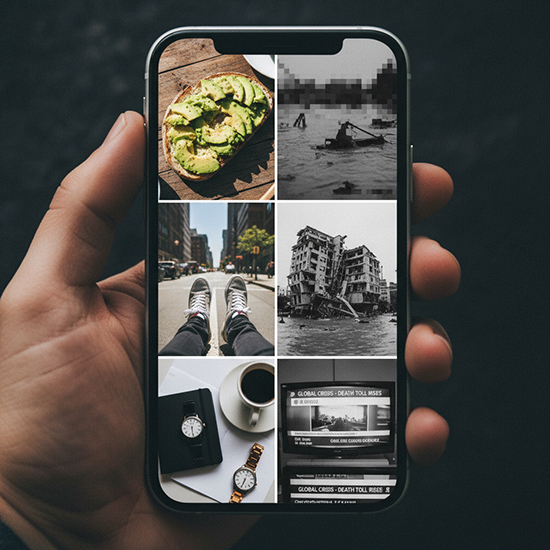
But the mood shifted, slowly at first, then all at once. It became difficult to post anything light without feeling the weight of the world in the background. It’s as if the algorithm started punishing joy. Somewhere between the third super typhoon and the latest scandal, the internet forgot how to smile.
A flood devastates the provinces. A building collapses because someone pocketed the funds meant for steel reinforcement. Yet on my feed someone is doing a slow pan of a poolside brunch, the mimosa catching the sun.
Can one even post happiness anymore without sounding tone-deaf? Does it mean we must dim our light because others are in the dark?

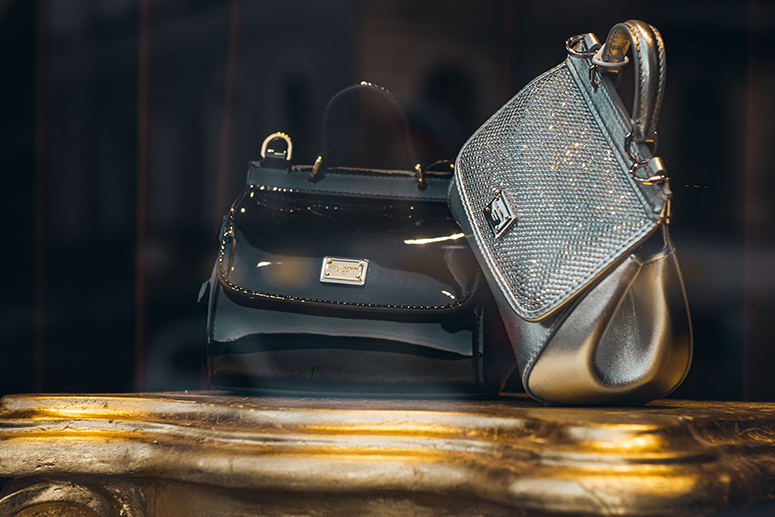
I ask these questions not because I have answers but because I keep catching myself hesitating before I click “post.” It has become a ritual, the small pause before public expression, the flicker of conscience that asks, is this moment still okay to share? Or will someone call me out for smiling while people are stranded on their roofs? Part of that hesitation comes from recognizing my own privilege. I can post a just-released designer book or a new bag because I have choices many do not. That recognition doesn’t cancel joy. It simply asks how I might use visibility and fortune to uplift rather than overshadow.
I used to think context was something only editors cared about. Now it’s a moral obligation.
What is the context of your joy when news tickers scream about corruption and death tolls, when your post competes with livestreams of tragedy? How do you make sense of posting a latte art heart while another heart has stopped beating in a flooded hospital with no electricity?
Social media has become a minefield of meaning. Even the most innocent flex is now suspect. That test drive? That designer bag? A reminder of who still eats well while the rest line up for relief goods. The vacation in Italy? Proof that the world is uneven and unfair, and maybe you’re on the wrong side of the imbalance.
The digital conscience is exhausting. Yet, I get it. What used to be just a stream of filtered life is now an archive of contradictions. The happy and the helpless share the same grid. The beautiful and the broken coexist in a single scroll. What happened to the little gallery of highlights from days otherwise ordinary, the gallery we once relied on to lift us from the mundane?
The digital flex has become a referendum on conscience, privilege and timing.
The mundane still exists, but it now has a megaphone. The envious, the resentful, the perpetually displeased, often anonymous, speak louder than the inspired. The mudslingers drown the mood boards. The nitpickers have made character assassination an aesthetic.
Social media is now a courtroom. It’s become a den of critics, a place where strangers make verdicts without proof, where outrage is treated as evidence, where cancel culture plays judge and jury before the facts gather.
Some did ask for it, the nepo babies flaunting fortunes while roads cave in, the influencers thanking brands for care packages while evacuees wait for relief, the public servants posting selfies in rescue uniforms while floodwaters rise.
In a world drowning both literally and figuratively, display has consequences. The old code of pure aspiration no longer works. It now feels hollow to flaunt joy without acknowledging what lies beyond the frame.
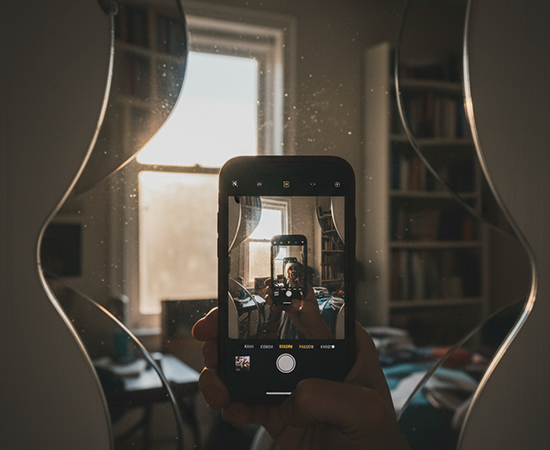
Does that mean joy is forbidden? No. But it now comes with terms and conditions.
I keep returning to three words that have become my own filter lately—context, compassion, contribution.
Context is knowing when not to post, when the timing feels off, when the light hits your face just right but the news hits harder.
Compassion is choosing to amplify others instead of yourself.
Contribution is the hardest. It means asking what your joy adds to the world, not just to your followers. Does it inspire, does it help, or does it sting? It’s the shift from look at me to look at this, from having to be seen to choosing to see.
I still love beautiful things. I still believe in sharing them. But beauty has to mean something now or at least acknowledge that something else exists beyond it.
When I scroll through my own feed now, I wonder what story it tells. Does it look like someone trying too hard to stay luminous in a darkening world, or someone who knows where the light should fall?
Maybe happiness isn’t the enemy. Maybe blindness is. We need to learn how to flex without forgetting who’s still rebuilding, who’s in need of more attention. Social media is still a mirror, but mirrors can distort. You can choose what reflection you show. I want mine to look aware, not afraid, bright, but not blinding, and real.
The storms keep coming, and the floods never fully drain. But if we are to survive this endless scroll of beauty and ruin, then maybe the true display now is not luxury but conscience, not possession but proportion, not influence but hope and inspiration.
Because the light we keep for ourselves will never be enough, especially when we recognize how unevenly it shines. At least that’s what I keep discovering, that acknowledging privilege is part of learning how to flex responsibly, how to share joy without eclipsing someone else’s world.