Alex Eala and the mental game we don’t see
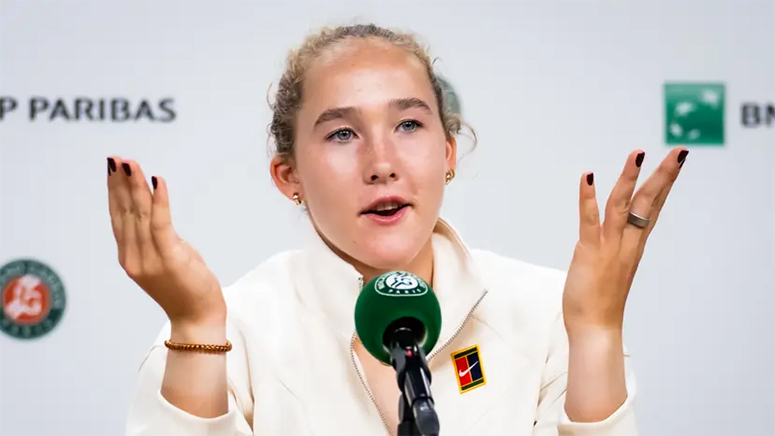
Earlier this month, the tennis world froze for a moment in Wuhan. Eighteen-year-old Mirra Andreeva, the Russian tennis prodigy who had charmed audiences with her precocious skill, burst into tears during her match, hurled her racquet, and shouted at a cameraman to stop filming her. What unfolded wasn’t just a tantrum—it was a cry for help from a teenager under suffocating pressure.
To some, it was a “meltdown.” To others, a mirror reflecting what countless young athletes endure—emotional exhaustion, unrealistic expectations, and the heavy loneliness of early success.
For Filipino fans, it also raises concern for our own young ace, Alex Eala, whose calm composure on the global stage belies the quiet mental and emotional battles beneath the spotlight.
Mirra Andreeva: A breakdown in real time
At just 18, Andreeva had already reached the WTA’s Top 5, hailed as the “next Sharapova.” But on that fateful day in Wuhan, the pressure burst through the seams. She wept on court, threw her racquet, and asked the camera to stop recording her pain. Former world No. 1 Dinara Safina leapt to her defense, urging fans to show compassion instead of condemnation.
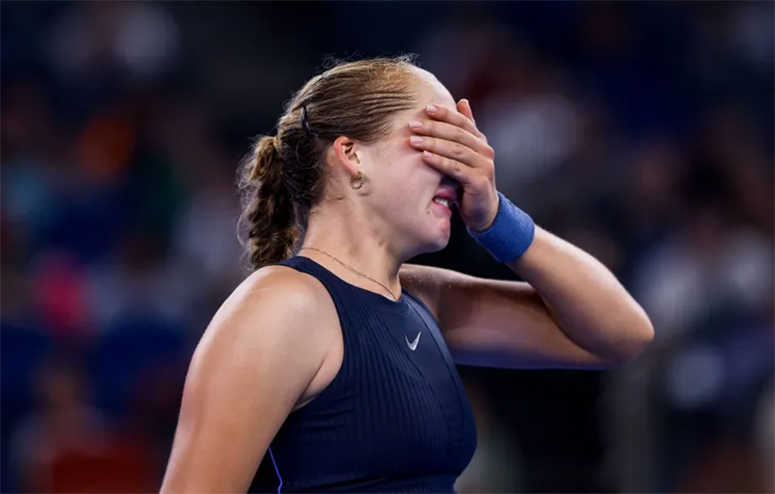
Andreeva later admitted, “I’m still a kid sometimes. I can be a pain.” Behind the bravado was a reminder that professional excellence does not erase emotional youth. Her breakdown was not a scandal—it was a symptom of an unforgiving system that rewards perfection and punishes vulnerability.
Sports psychologists have long warned that elite youth athletes face mental health risks rivaling their physical ones. A British Journal of Sports Medicine review found that adolescent athletes in individual sports—tennis, gymnastics, swimming—are more prone to anxiety, depression, and burnout. Early specialization often narrows identity to performance: When you win, you’re somebody; when you lose, you’re nothing.
The constant exposure of social media magnifies every stumble. A tear, an argument, a slammed racquet—all become viral content before the athlete even cools down. For young players still learning to self-regulate emotions, the consequences can be devastating.
Alex Eala: Our rising star under pressure
At 20, Alex Eala has become a symbol of hope for Philippine tennis. With junior Grand Slam titles, SEA Games medals, and top-flight professional wins, she carries the aspirations of a nation that longs for a breakthrough in global sport. But behind the medals and smiles lies the unrelenting strain of balancing competition, identity, and youth.
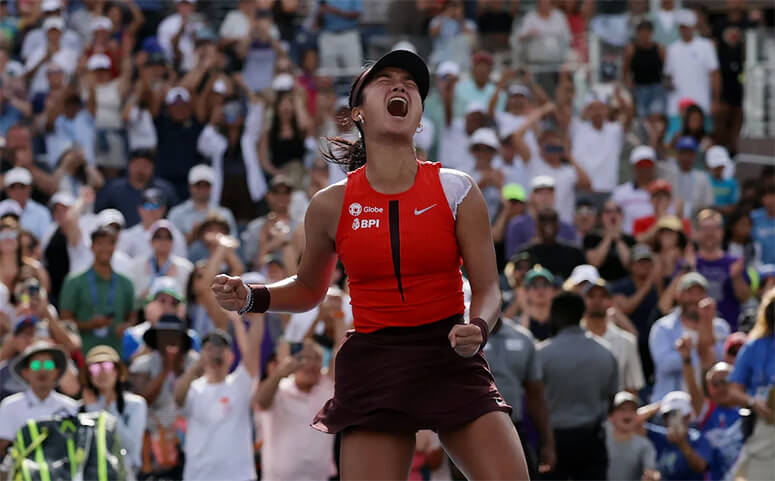
Her childhood coach once called her “mentally tough, with a big heart.” That toughness—while admirable—can turn into a silent burden. When the public expects poise at all times, any sign of fatigue or frustration can be misread as weakness.
In interviews, Alex has gently revealed the hidden costs of her journey. “It’s important that I’m able to disconnect,” she said in one video message, emphasizing mental balance. Yet, true disconnection is rare for a global athlete. Training, travel, and tournaments fill her calendar; rest becomes a luxury.
For athletes from developing countries, the mental-health equation grows even more complex. Beyond training and competition, Eala and her peers navigate logistical obstacles—visa delays, limited funding, lack of sports psychologists, and the constant need to “prove” themselves abroad.
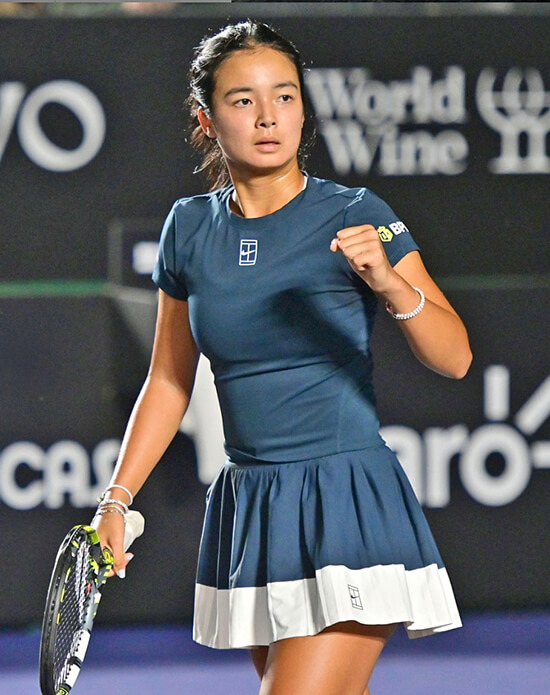
In one Esquire Philippines feature, Eala candidly described how she faces not just world-class opponents but the “lesser-seen struggles” of being a Filipino athlete—financial strain, bureaucratic hurdles, and loneliness far from home.
Worse, in the social-media age, defeat often brings a torrent of criticism. After a losing streak, fans’ comments can turn harsh, forgetting that behind every athlete’s name is a young person still growing, learning, and sometimes hurting.
One netizen defending her wrote: “Let’s ground our pride in empathy. Alex doesn’t owe us perfection—she owes herself peace.”
Why mental health must be a core strategy
In high-performance sports, physical training is scientific and structured. Mental health, by contrast, often depends on luck—on whether a coach “understands,” a parent “listens,” or an organization “cares.”
Yet, evidence shows that mental wellness directly correlates with performance longevity. The International Olympic Committee now advocates for routine psychological screening in athletes, recognizing that resilience, confidence, and composure are skills to be trained—not innate traits.
For developing nations like the Philippines, this means building mental-health infrastructure into our sports system. We must go beyond token counseling after losses and instead create continuous, proactive programs that train athletes in emotional regulation, mindfulness, and media literacy.
Alex Eala reminds us that even the strongest need safe spaces to be vulnerable.
The role of coaches, families and fans
Athletes like Eala and Andreeva remind us that emotional strength isn’t forged by pressure alone—it’s nurtured by community.
Coaches should frame success as progress, not perfection. Every loss is a data point, not a disaster.
Families must protect their children’s identity outside the sport: Help them see that they are loved as sons and daughters, not just champions.
Fans and media need to evolve, too. Compassionate coverage—celebrating resilience instead of ridiculing failure—builds the mental safety net that every young athlete deserves.
Even simple changes matter: post-match debriefs focused on learning, not blame; social-media guidelines that shield athletes from abuse; quiet zones or mental-recovery spaces during tournaments.
From breakdown to breakthrough
Mirra Andreeva’s emotional collapse should not be mocked; it should be understood. It’s the visible expression of invisible strain. And for Alex Eala, it’s a cautionary tale—a reminder that even the strongest need safe spaces to be vulnerable.
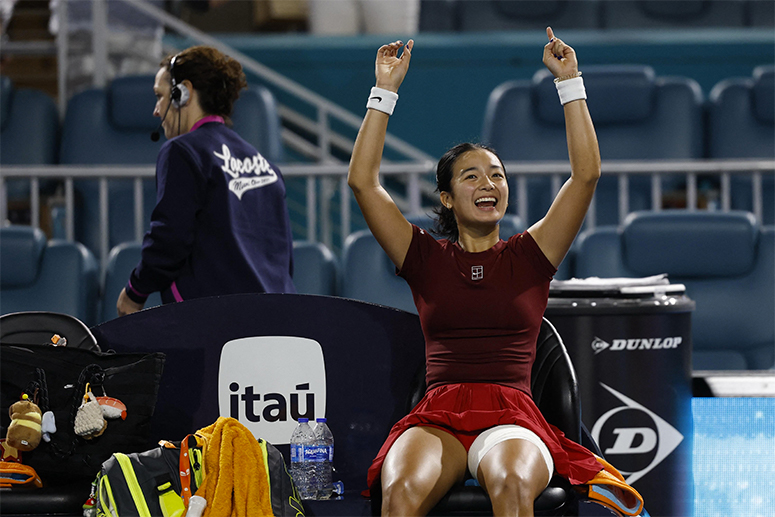
Mental health in sports isn’t about “fixing” broken minds; it’s about protecting whole persons. When a player like Eala takes time to rest, reflect, or simply breathe, that’s not weakness—it’s wisdom.
In tennis, a serve begins with a pause: a breath, a moment of stillness before impact. Perhaps that’s the metaphor for all athletes today—especially the young. Before every sprint toward greatness, they, too, need that breath, that pause, that sacred moment of balance between ambition and peace.
The real victory
As the world cheers for forehands and trophies, let us also celebrate something deeper: the courage to admit fatigue, the grace to rest, and the strength to seek help.
For Andreeva, healing may begin where applause fades. For Eala, the hope is that she continues to rise—grounded not only in talent but in self-care, faith, and joy in the game she loves.
Because in the end, the most beautiful triumph isn’t over an opponent across the net, but over the unseen storms within.