[OPINION] Why remembering matters more than resolutions in a country plagued by scandals
Every January—somewhere between the last firework drifting into smoke and the first unread email of the year—the Philippines performs its most underrated civic ritual: We forget everything.
The New Year, supposedly a moment for reckoning, instead becomes a soft-focus reset button. It's the only time when the nation can stare at its unfinished scandals, straighten the calendar on the wall, and say, with quiet optimism, "Bagong taon naman."
Each year demands peak national amnesia.
The PhilHealth system glitches—one scandal ago, though who can keep count—where billions dissolved into procurement mist, briefly led the headlines until a Senate-plated SUV stole the spotlight by flouting traffic rules and public patience. Pharmally, once the pandemic’s billion-peso blockbuster starring vanishing receipts and miraculous face shields, now survives only in the nightmares of people who watched the hearings sober.
Even the case of the missing sabungeros has drifted into the fog, receding quietly while the justice system waits for a resolution that aches to arrive. And what of the men with suitcases? Will Orly Guteza and Ramil Madriaga fade as easily as the fungible cash they claimed to have delivered?
The overpriced laptop saga, the passport data mess, revolving-door POGO raids, the stalled impeachment, corruption-riddled flood-control projects—each arrived promising to be "the scandal that will finally teach us something," only to be dethroned by an erstwhile election official cursing in a mall or a celebrity breakup litigated online like a constitutional crisis.
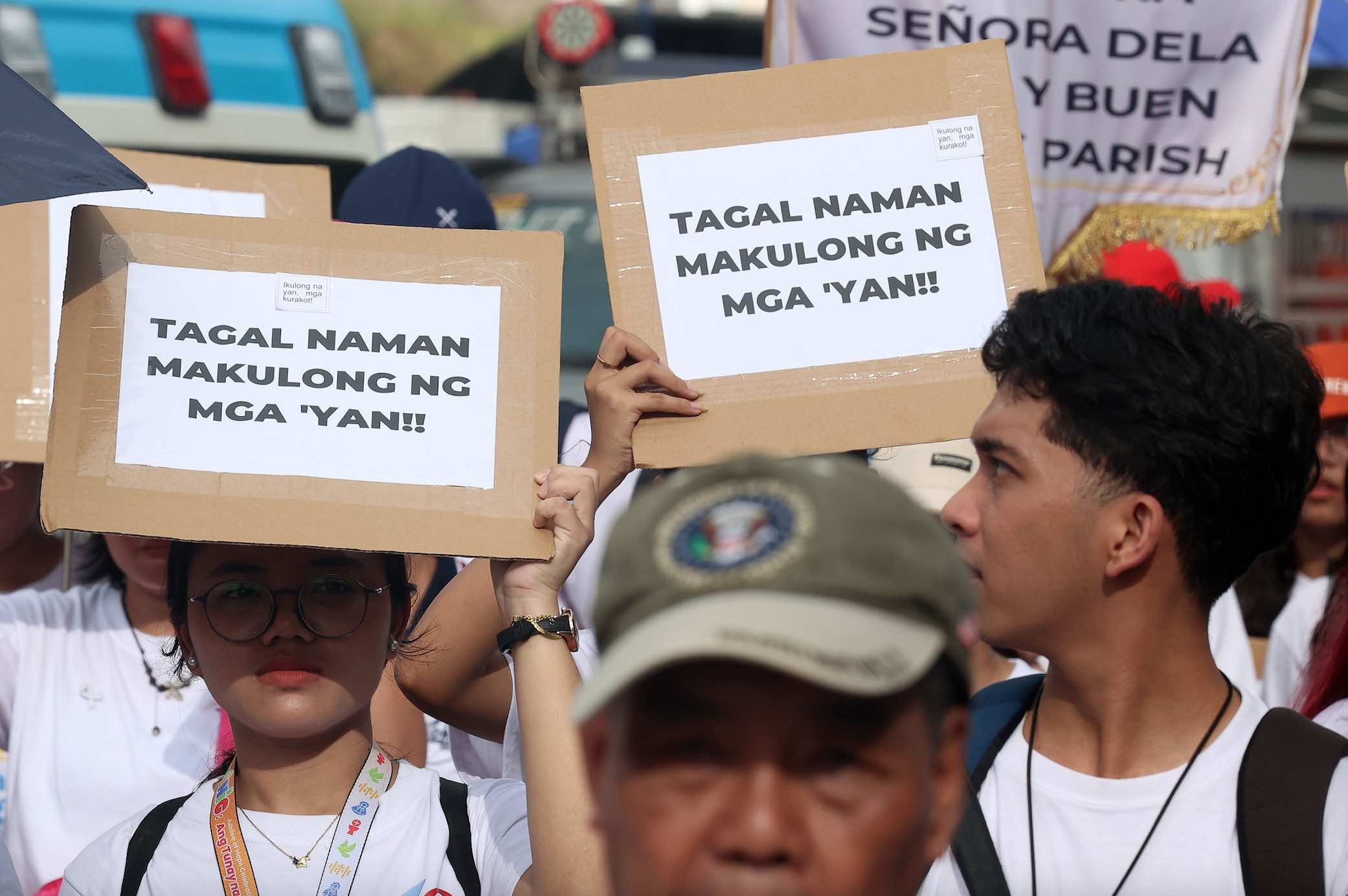
The anthropologist Paul Connerton, in How Modernity Forgets, observed that modern societies are “exceptionally predisposed” to forgetting. He was thinking of cities with bullet trains. He did not know he was also describing Manila, where nothing moves quickly—but everything disappears anyway.
Psychologist John Norcross found that most New Year’s resolutions collapse quickly. Philippine policy vows often fare worse. Promises delivered with trembling sincerity—"this year we will fix the power grid," "this year water shortages will end"—fade with the reliability of a gym membership purchased on a holiday discount.
Nobel laureate Daniel Kahneman offers another clue. In Thinking, Fast and Slow, he described the “peak-end rule”: We remember the emotional height of an event and its ending, but forget the tedious middle where real change is supposed to occur. Here, the “peak” is the viral video; the “end” is the press conference. Everything in between—the hearings, audits, prosecutions—is overwritten by the next trending disaster.
Even disaster governance follows the same forgetful grammar. After Ondoy, Yolanda, Ulysses—choose your trauma—we rush to draft new protocols and swear this flood will finally make us disciplined. Yet the UN Office for Disaster Risk Reduction warns that countries like ours suffer from “risk amnesia.” Scholar J. Mercer found that disaster lessons fade quickly unless intentionally cultivated. In an archipelago repeatedly reshaped by storms, memory retreats faster than the water.
Our institutions, no strangers to the ritual of resetting, develop their own survival rhythms. New year, new timelines. Investigations deferred “until after the holidays.” Scandals lose urgency—not because they have been resolved, but because the calendar has turned.
Political scientist Francis Fukuyama once observed that weak institutions tend to reset instead of reform. The Philippines has turned resetting into performance art. New administration, new slogans, new blueprints—same plot. We do not clean house; we simply change the year printed on the planner.
And yet memory, stubborn as an unpaid bill carried into January, refuses to die entirely. Hospitals remember when PhilHealth reimbursements stall; patients remember the cost. Communities remember the surges that tore through homes and lives after flood-control projects quietly failed.
The unlawfully detained and the illegally dismissed remember every cold day, every hour of waiting.
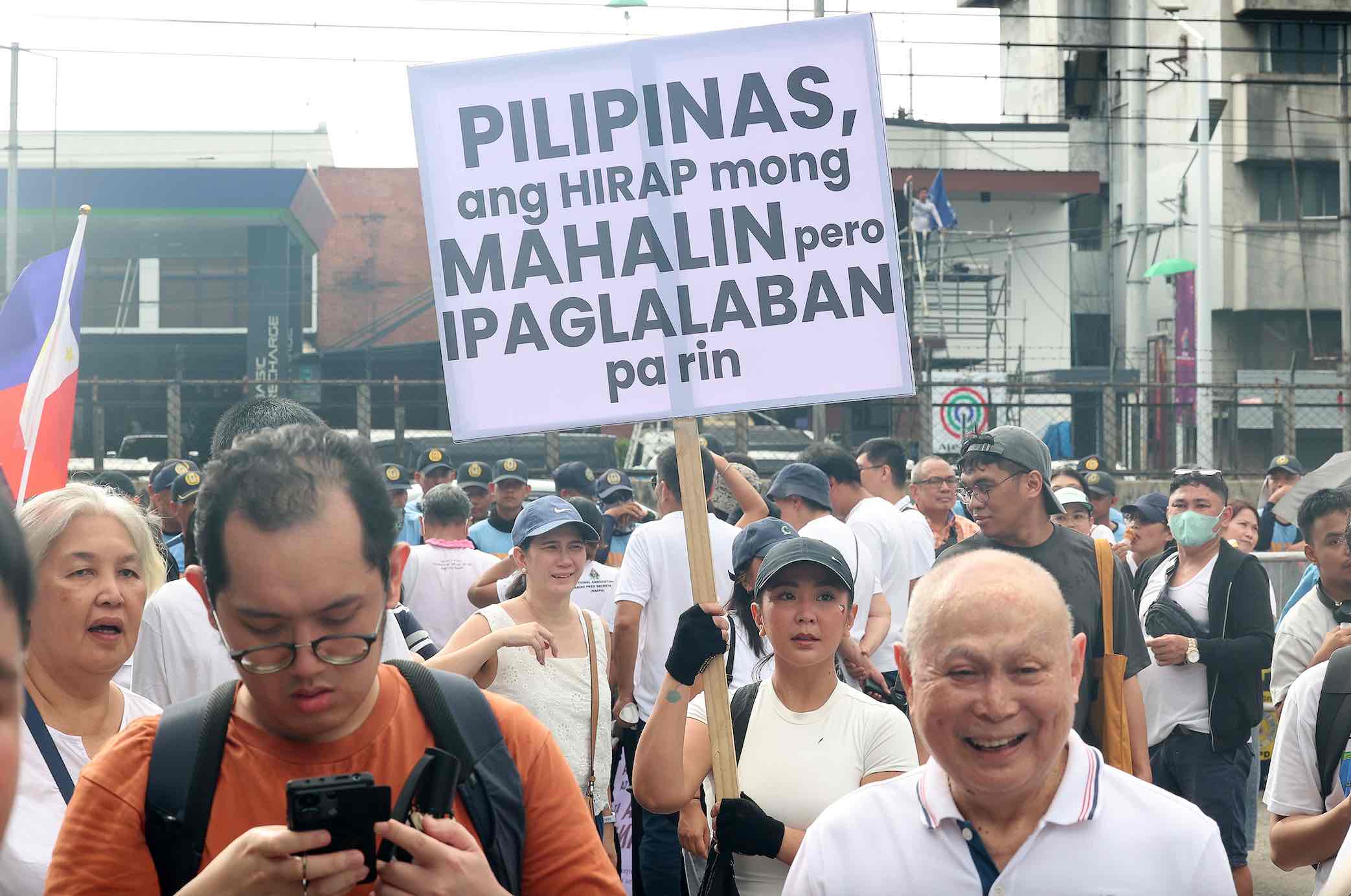
Forgetting, like impunity, is a privilege of the comfortable.
The New Year, however, offers a harsher—and more honest—counternarrative. Resolutions mean nothing without memory. Remembering is not nostalgia; it is discipline. You are not meant to repeat what harms you. You are meant to transform it.
Perhaps this is the commitment the country needs more urgently than another palliative commission: to remember long enough for reform to take root; to hold promises long enough for practice to follow; to name wrongs long enough that they cannot return wearing a new acronym.
What if our real national resolution for 2026 is neither innovation nor investment, but the stubborn courage to remember—our storms, our scandals, our squandered chances, our brief flashes of clarity?
Because a nation that remembers is a nation that learns. A nation that forgets its mistakes is doomed to repeat them.
As the night settles and the calendars fill—lavish or modest, even if the handa must heroically fit ₱500—perhaps the radical act is to stop treating memory as a ritual with an amnesty clause. Let us remember the promises we demanded, the justice still pending, the reforms half-written. Let us remember not just what we wish for, but what we owe each other.
And if we must write resolutions, as we surely will, let them be fewer, steadier, and carried with more discipline than optimism. Let them outlast the spectacle. Let them survive past February.
This New Year, may we finally keep what we so easily forget.
Disclaimer: The views expressed in this article are those of the author and do not reflect the opinions of PhilSTAR L!fe, its parent company and affiliates, or its staff.