How Gabriel García Márquez foretold the fate of Venezuela and nations
Long before today’s shocking Venezuela news headlines read like a work of magical realism, Gabriel García Márquez had already breathtakingly written the script. In the sacred, dust-filled cathedral of modern literature, this Nobel Prize-winning writer’s novels stand not merely as altars of beauty but as uncanny oracles.
While my favorite One Hundred Years of Solitude remains his most celebrated gospel, two of his later, politically charged masterpieces—The General in His Labyrinth and The Autumn of the Patriarch—form a prophetic diptych for our time. Together, they illuminate the tragic cycles of post-colonial nations and, with devastating clarity, explain the relentless and tragic conundrum of present-day Venezuela.
To read these novels today is to decipher a political codex. Márquez, with his critical socialist heart and stubborn idealism, saw how revolutions decay, dreams rot, and power—unchecked—mutates into grotesque farce.
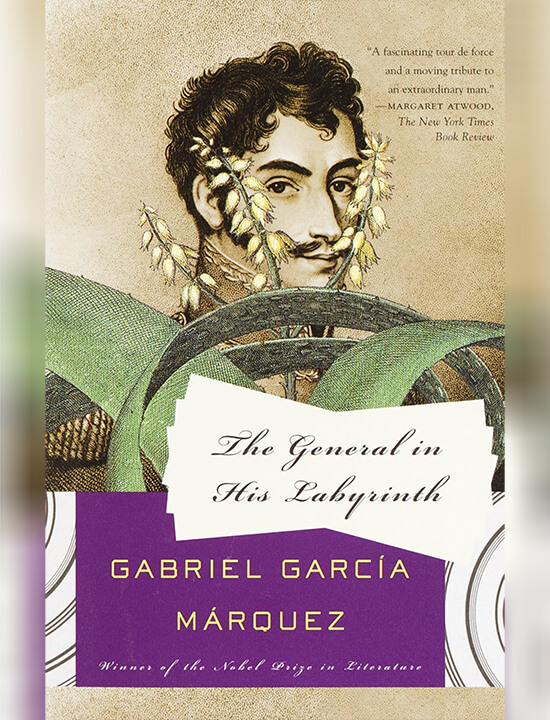
The General in His Labyrinth (1989, 285 pages) reimagines the final months of Simón Bolívar, the anti-colonial Liberator of much of Latin America. Stripped of power and ravaged by illness, a prematurely aged Bolívar drifts downriver toward a hoped-for exile. Márquez shatters heroic myth to portray a visionary trapped in the labyrinth of his own fading dream: a united Latin America splintering into factionalism and petty ambition.
His physical decay—his body wasting to a mere 88 pounds—mirrors the collapse of his political vision. His bitter warning against northern colonial intervention still resonates: “Don’t attempt to teach us how we should be… don’t try to have us done well in twenty years what you have done so badly in two thousand.” It is an early, dignified “no” to the imperial gringo savior complex—a plea for sovereignty that history would repeatedly drown out.
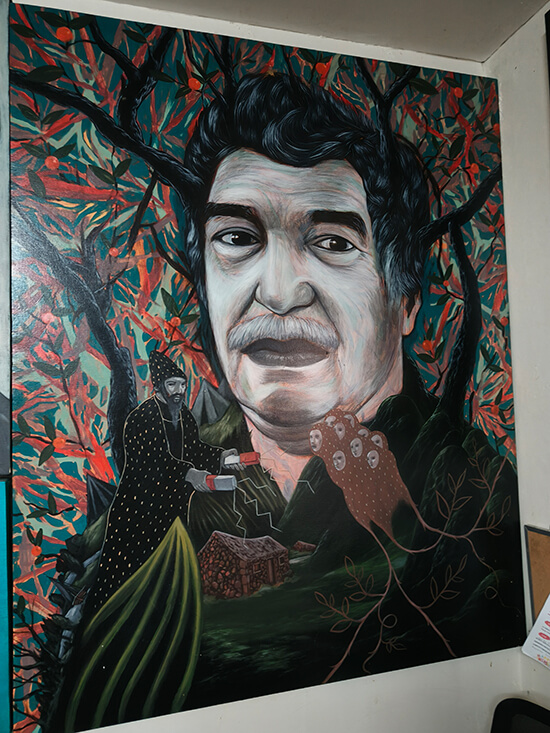
If The General in His Labyrinth is the death rattle of the dream, his novel The Autumn of the Patriarch (1975, 255 pages) reveals the nightmare that fills the void. This is a savage, hallucinatory satire of absolute power, chronicling the endless reign of an unnamed Caribbean dictator—a composite of real tyrants like Venezuela’s Juan Vicente Gómez.
Here, Márquez’s imagination runs wild in service of brutal truth. The patriarch’s palace, a Versailles of decay, is overrun by wandering cows and the stench of forgotten promises. He survives countless coups, rules for more than a century, and sinks a barge of 2,000 children to hide a lottery scam. The narrative itself becomes tyrannical, with sentences stretching for pages, mimicking the suffocating permanence of dictatorship.
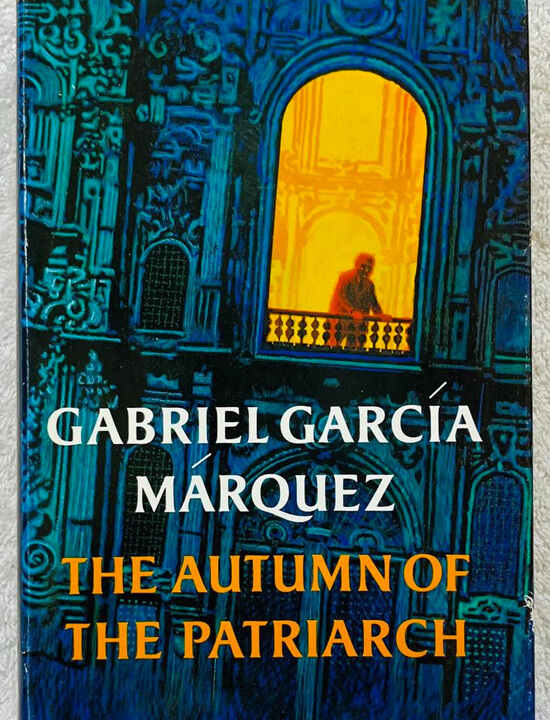
Then comes Márquez’s masterstroke, the ultimate metaphor for modern looting: drowning in debt, the dictator sells the Caribbean Sea to a greedy foreign power he refers to “gringos,” which soon drains it away in numbered pieces and transports them to the “blood-red dawns of Arizona.” He does not sell oil claims or fishing rights; he sells the very idea of the sea.
This is not colonialism with muskets, but colonialism with spreadsheets—extraction sanctioned by contract. It anticipates a brutal “Might is Right” world where nations are hollowed out by debt and severe sanctions, their sovereignty packaged and sold to satisfy foreign creditors. This is the grim reality that follows the death of the Bolivarian ideal: not glorious revolution, but a bankrupt autocrat auctioning off the nation’s soul.
The grim, satirical humor is that today’s patriarchs or bumbling fool rulers become prisoners in their own labyrinths, crafting idiotic self-defeating policies that invite the vultures they vociferously denounce.
Meanwhile, the great northern power periodically elevates its own buffoonish strongmen to the global stage—trading military fatigues for reality-TV makeup or the performative anguish of the wealthy martyr. Their palaces are television studios and social media feeds; their “cows” are a stampeding herd of sychophantic loyalists and cynical enablers. The spectacle is the point, distracting from the same old resource grabs, the same old treating of sovereign nations as assets to be managed.
We in the Philippines, another former Spanish colony fluent in the theater of power, recognize this cycle as one recognizes a recurring fever. For readers in Manila or Caracas, this is not foreign literature; it is a family story. Our histories are a tango of triumphant beauty queens and devastating widespread poverty, of revolutionary fervor cooling into the cynical “ano pa ba ang bago?”
We understand how excessive corruption becomes normalized spectacle, how reality-detached politicians’ whims can become national policy, and how easily a nation’s wealth can be systemically drained away, plundered, block by numbered block.
Márquez did not merely write about his country Colombia or its neighbor Venezuela. He gave us the lexicon for the post-colonial condition: the labyrinth with no exit, the autumn without end, the sea that can vanish from the map. His genius was to wield satire as a moral weapon and lush prose as a diagnostic tool.
The tragedy, as he understood, is not that these stories are told, but that we are doomed to live them—until we finally, hopefully soon, learn to wake up.
Márquez’s true lesson is that the labyrinth is not eternal. It is built, lie by lie, concession by concession. And what is built can be unmapped. The task is to remember the original, untarnished dream of the river, and to dare to boldly chart a new course, before the last of the sea is sold.