Freelancers deserve to be treated right

Every week, PhilSTAR L!fe explores issues and topics from the perspectives of different age groups, encouraging healthy but meaningful conversations on why they matter. This is Generations by our Gen Z columnist Angel Martinez.
Pursuing a creative career in the Philippines has always carried a bad reputation. Elders often see us as starving, stubborn artists stuck in transition phases. Haven’t we all been advised at some point to come to our senses and find a stable stint in corporate? While we’d love to put our foot down and defend all writers, designers, photographers, and make-up artists, recent events prove it’s a risky endeavor.
The sad reality is that the local industry consists of many freelancers, who ideate and execute projects without job security and financial stability. Even worse, some companies are quick to exploit and undervalue the very talent that keeps them afloat. Case in point: Several Filipino creatives recently took to Instagram to expose a media group and its titles, which have allegedly delayed their payments, engaged in blatant idea theft, and had poor communication. Some of their concerns had been going on for years, with no acknowledgment or promise of a resolution.
This came as a surprise to a lot of people. Today, freelancing is seen as a sustainable career pivot, a supplement to existing income, and a much-needed artistic outlet. Members of Gen Z, in particular, treat it as an escape from restrictive employment conditions and a path towards personal and professional freedom. The perks are very real, but only a few know how precarious day-to-day life can be.
I, for one, have grown fluent in the excuses used to justify late compensation and the ways I can negotiate unreasonable deadlines for a heavy task. Not too long ago, another title pressured me to deliver a 20-page report in a little over a week. But when I wanted to discuss rates, the same people badgering me for updates late into the night were nowhere to be found. It took me six months—and an angry post on X and Instagram—for me to receive compensation.
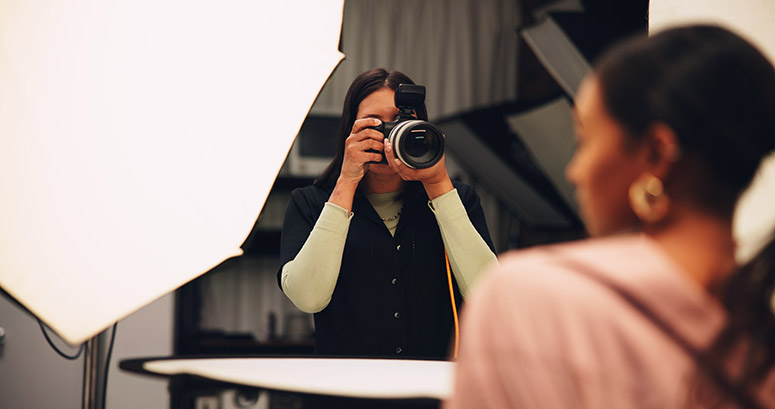
Freelancers deal with so-called feast-famine cycles for this precise reason: either overwhelming assignments or no commissions received. It’s why most of us have day jobs or additional side hustles, especially those who have families to feed or financial obligations to fulfill. When bills need to be paid or major purchases have to be made, we can’t tell our landlord we’re still waiting on a few invoices.
We also aren’t covered by legal protections and benefits: no overtime pay, health insurance, or paid leave, which makes us more vulnerable to volatile economic conditions. When it comes to any client disputes, the burden of proof falls on our shoulders, which underscores the need for a paper trail of any formal agreements made.
Last year, I submitted an idea to an international publication about the golfing renaissance among Gen Z. My editor promptly turned it down, saying it wasn’t a fit for them, only for me to find their piece on the same topic months later. Thankfully, I had kept a copy of our email thread, which allowed me to make a compelling case. But aside from airing out our business online, nothing else really came out of that.
I assume clients can and will continue to get away with this because freelancers are not made aware of their rights. Resources are scarce and circles can be exclusive. Those eligible to be mentors are either too exhausted or even threatened to take youngins under their wing. This might sound discouraging—and that’s because it is. It’s always been.
Thankfully, House Bill No. 2856, or the Freelance Workers Protection Act, has been filed to “fill gaps in labor protection for graphic designers, writers, virtual assistants, and programmers.” Some provisions that caught my eye include required written contracts, mandated benefits like hazard pay, and penalties for delinquent clients.
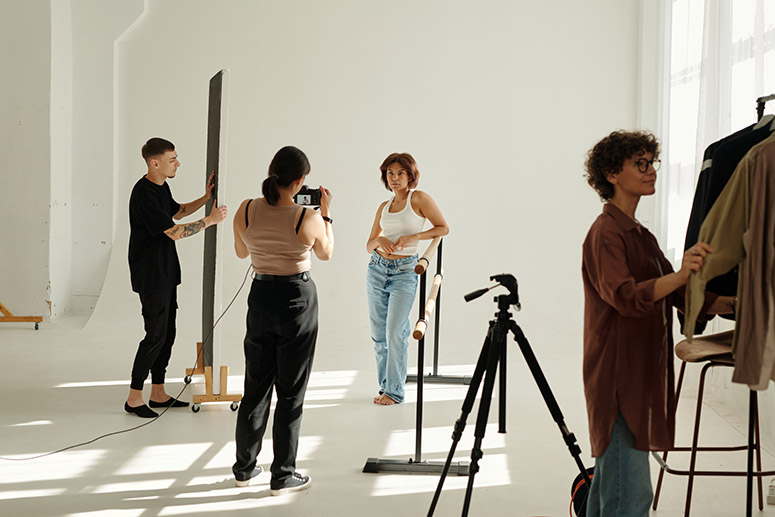
While we wait, artist-led communities are helping each other out, holding upskilling seminars or ask-me-anything sessions for those who are new to the field. Cut A Fig and Pineapple Versed are some that come to mind for aspiring writers. And while I can’t disclose the specifics yet, I’m currently expanding my mentorship initiatives with a promising organization for creative workers.
Talking about it also helps greatly. A lot of us are forced into silence in fear of being barred from future opportunities or even blacklisted from industries. Everyone knows everyone: who you know and who you’ve been affiliated with often do the heavy lifting. But I believe that the whistleblowers of this certain publication have set a precedent. More disgruntled contractuals will be quicker to speak up, because more companies will know better than to make the same mistakes.
Cancel culture, however, will not change the stereotypes associated with creative careers. The system will remain rotten from within if we don’t do away with lowballed rates, unclear timelines, and exclusionary mindsets; if we drive away the talented people who just want to make an honest living. How can others see the importance in what we do if those within the industry are the ones devaluing it in the first place?
Generations by Angel Martinez appears weekly at PhilSTAR L!fe.