Nepo baby boom
While queued at the lotto booth one weekend, I overheard a boy asking his father, “Tatay, bakit salbahe ang mayayaman?” (“Father, why are rich folks mean?”) Without missing a beat as he purchased scratch cards, Tatay quickly replied, “Siguro kasi matatalino sila.” (“Maybe it’s because they’re smart.”)
At first, I rolled my eyes. What is this man teaching his son? It sounded like loser logic, something honed over years of watching only local TV shows, listening to AM broadcasts, participating in market or barbershop banter, while totally avoiding intelligent creative pursuits. Subconsciously, I was judging this man based on how I perceive the world.
It’s the same script: bribery scandals blow up alongside flashy parties and influencers, wives of politicians get indicted for overpriced handbags; and online the Rich Kids of the Internet play the lead roles.
But the more I thought about it, the more I began to wonder if there was some deeper meaning to Tatay’s assessment. Could being wealthy and smart really bring out the worst in people?
Plato warned that intelligence without moral education leads to tyranny. Marx (Karl, not Groucho) argued that the elite often justify inequality by dressing up privilege as merit. Tocqueville feared democracies might nurture a subtle snobbery favoring the rich and smart. And Foucault, ever the party-pooper, pointed out that knowledge itself is just another blade in the armory of power.
It seems that the richer and smarter you are, the more society excuses your flaws, and the more you start believing you’re entitled to them. Suddenly, Tatay’s words were starting to sound less like loser logic and more like social commentary.
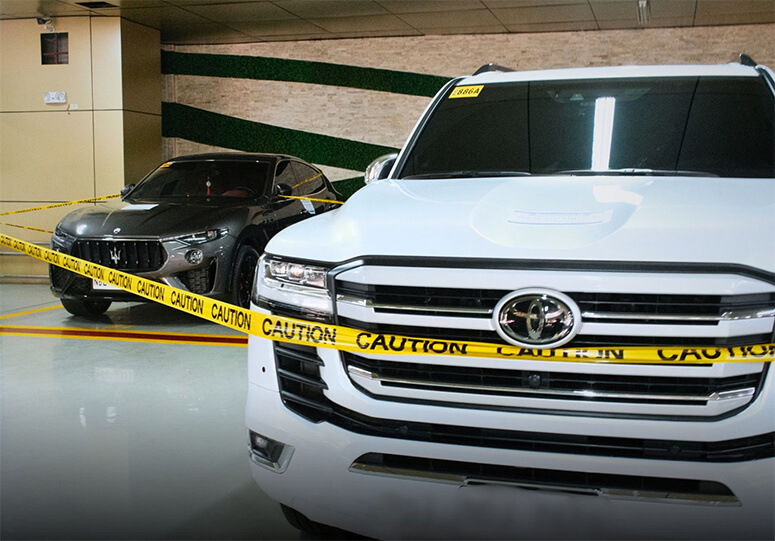
Just look at our local telenovela featuring the Bureau of Customs (BOC) and its interest in the Discaya couple, Sarah and Curlee, who turned flood-control contracts into a tsunami of 40 imported luxury cars. Instead of parking them quietly in a garage, they flaunted them like influencers on steroids, as if their driveway were an extension of the Manila International Auto Show. The BOC says it’s only checking taxes and duties, but the whole spectacle feels less like an anti-corruption probe and more like a glossy lifestyle feature that accidentally wandered into the news section.
Globally, it’s the same script: bribery scandals blow up alongside flashy parties and influencers; wives of politicians get indicted for overpriced handbags; and online, the rich kids of the Internet play the lead roles. These teens and 20-somethings casually post photos with sports cars, designer everything, and breakfasts that cost more than your week’s groceries. The point, simply, is to show off your wealth, never mind if you didn’t work for it. And people gobble it up—it’s part envy, part comedy, a soap opera where the climax is that ridiculous scene where two yachts hit each other in the wide-open sea.
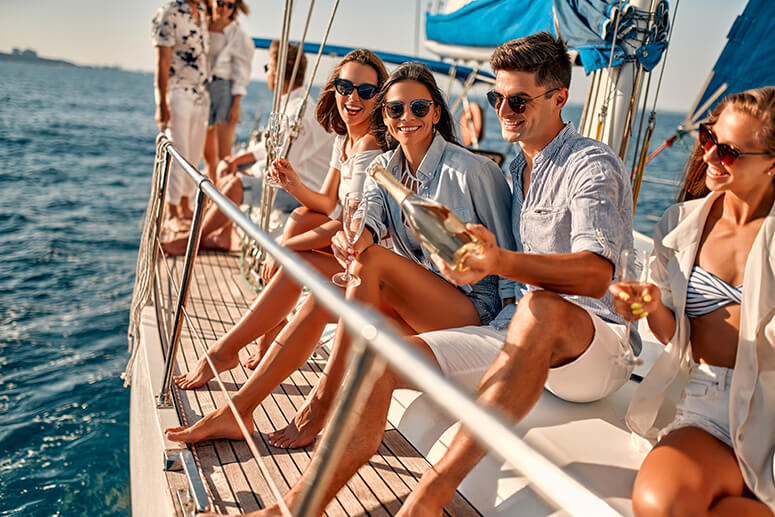
And now, the Philippines has joined the fray, thanks to the rise of the “Nepo Baby” discourse. Abroad, it’s mostly Hollywood kids, like Lily-Rose Depp, Kaia Gerber, Zoë Kravitz, Maude Apatow, even Hailey Bieber (yes, she with a Baldwin pedigree) proudly wearing a “Nepo Baby” T-shirt, all struggling to convince us that being born into privilege doesn’t mean your résumé is just your last name.
Here in our lupang hinirang, however, Nepo Babies—the kids of what I’ll call Nepo Baby Boomers, who built empires to be passed down through generations—aren’t just in movies or fashion, but in politics, infrastructure, and, yes, flood-control projects.
Claudine Co went viral for parading luxury goods while critics linked her family to questionable contracts. Gela Alonte drew flak after laughing off questions about political dynasties during a flood emergency. Jammy Cruz showed off a Chanel bag that sparked debate about her family’s dealings. Netizens, ever quick on the draw, started calling them “#FloodControlNepoBabies.” In other words, the Rich Kids of the Internet meet the Rich Kids of the Barangay.
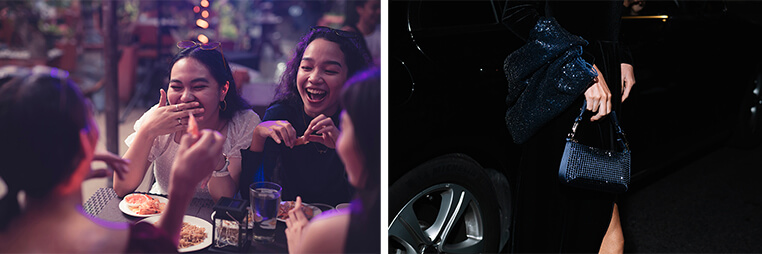
But back in Tondo, where I grew up, the poorest “crooks” often turned out to be the kindest souls around. They’d steal and snatch, but share the loot with their homies. They’d even return a stolen wallet, i.e., if the victim happened to be a playmate’s dad. That’s pakikisama (kinship) on quite another level. Compare that to a high school senior zooming in his father’s Lamborghini along EDSA with his girlfriend, motorists and pedestrians be damned. Not the same, I know—but you get it.
So maybe that boy’s question needs to be rephrased: Are rich people mean, or just better at showing it? Because there’s a difference between being corrupt and being boldly, shamelessly corrupt.

The Philippines is being primed for upper middle-income status. Great! That means more malls, coffee shops, and international conferences. Most importantly, there’ll be more infra projects. But if “leveling up” just means bringing out the worst in the dynasts and Nepo Babies, then maybe Tatay’s skepticism was warranted.
Entitlement is a tricky beast. Some people think they deserve respect because they’re rich. Others believe they deserve obedience because they’re smart. But isn’t the real test of character how you treat people who have less than you, less money, less education, less everything?
I sometimes ask myself: If I think I’m smart, shouldn’t I also try harder to be kind? Shouldn’t I be more patient when someone’s slow to understand, more forgiving when others fall short, more compassionate to those who are just trying to survive? At least, I’m more aware now that I’m older.
Maybe Tatay was onto something. Maybe being smart or rich shouldn’t make you mean. Maybe it should make you better. As Peter Parker and generations of Marvel fans have always been reminded: “With great power comes great responsibility.” Or, if you prefer the more biblical version: “To whom much is given, much will be required.”
Perhaps, in the end, it’s not about what you have, but what you do with it.