The anxiety economy: Is your boss paying you enough to afford therapy?
There’s a new industry booming in the Philippines—and no, it’s not tech, tourism, or teleseryes. It’s anxiety.
The pandemic may have lifted, but the mental aftershocks are still rattling boardrooms, classrooms, and households alike. Everyone, from junior staff to seasoned executives, is quietly panicking. The economy has recovered on paper, but our collective sanity hasn’t quite caught up. Call it what it is: We are living in “The Anxiety Economy,” where worry is the currency, and burnout is the inflation that keeps eating away at our sense of control.
Workplace stress: The new national pastime
Every weekday, millions of Filipinos log into their laptops with the same weary ritual—coffee, deadlines, and an inbox full of “gentle reminders.” What used to be called dedication is now just survival.

In Metro Manila, the average worker spends three hours a day commuting, eight to 10 hours at work, and whatever’s left doomscrolling or worrying about bills. Sleep is optional; peace of mind, unaffordable. Yet in board meetings and HR memos, mental health is discussed with the same enthusiasm as next quarter’s KPIs (key performance indicators)—that is, only if it affects productivity.
The World Health Organization estimates that depression and anxiety cost the global economy over a trillion dollars a year in lost productivity. Locally, the numbers are harder to track—not because it’s rare, but because mental health remains something we whisper about in the pantry instead of addressing in policy.
The arithmetic of anxiety
Let’s talk numbers—because anxiety has a price tag.
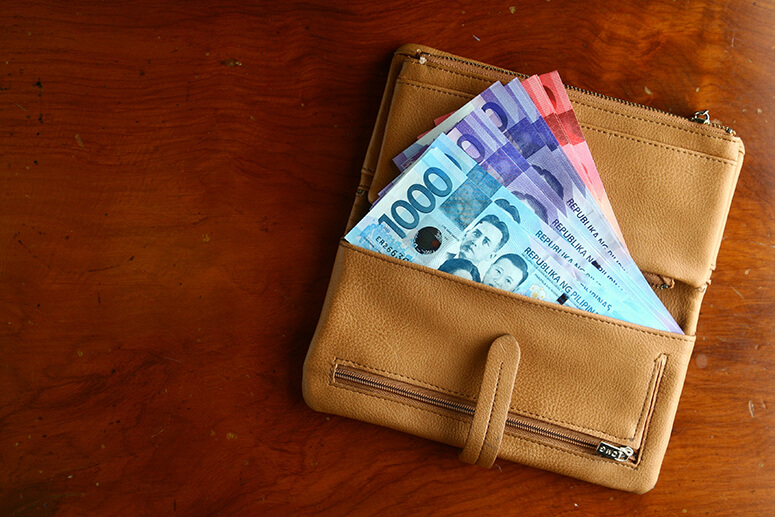
A one-hour therapy session in Metro Manila can range from P2,000 to P5,000. Multiply that by four sessions a month, and you’re spending roughly P8,000-P20,000 monthly. That’s half the take-home pay of many mid-level employees.
Compare that to the average private health insurance coverage, which often excludes psychiatric care altogether, or caps it at a few thousand pesos per year—barely enough for one consult. The Mental Health Act of 2018 was a step forward, but implementation remains patchy, and funding is scarce. Many workplaces still treat therapy like a spa day: nice to have, but not essential.
So when HR tells you to “prioritize your mental wellness,” what they really mean is: “Please manage your stress efficiently—without costing us anything.”
The illusion of resilience
Filipinos pride themselves on being resilient—perhaps too much. We’ve turned endurance into identity. “Kaya pa” (I can still take it), we say, even when our minds are fraying. But beneath the humor and memes lies a darker truth: Resilience has become the corporate euphemism for exploitation.

Employees are praised for “thriving under pressure,” but that pressure often comes from chronic understaffing, unrealistic targets, and stagnant wages. The same companies that hold “Wellness Wednesdays” still expect emails answered at midnight. It’s a paradox: We are told to “disconnect to recharge”—just not during office hours.
Resilience, unexamined, becomes complicity. It normalizes the conditions that make people sick—while absolving those who create them.
The economic roots of burnout
Mental health isn’t just a psychological issue; it’s an economic one.
The anxiety many Filipinos feel is not irrational—it’s entirely logical in a society where the math simply doesn’t add up. Prices of essentials have soared, yet wages remain stuck in 2019. The daily minimum wage in NCR barely covers food and transport, let alone rent, education, or healthcare.

You don’t need a psychiatrist to tell you why so many are anxious—you just need a calculator.
In the Philippines, poverty has evolved. It’s no longer just about hunger; it’s about the quiet panic of the middle class, those who are “not poor enough” for subsidies, but “not rich enough” to feel secure. They can buy coffee, but not counseling. They can afford Wi-Fi, but not wellness.
This is the demographic that fills our offices—the “mentally broke,” not for lack of effort, but because the system rewards endurance, not equilibrium.
The therapy gap
There’s another cruel irony here. Even if you could afford therapy, where would you go?
The Philippine Psychiatric Association estimates there are fewer than 600 licensed psychiatrists in the country—that’s roughly one for every 200,000 Filipinos. Most are clustered in urban centers, leaving rural areas to rely on overburdened general practitioners or none at all.

Meanwhile, mental health apps, teletherapy services, and “life coaches” have mushroomed, but access remains uneven. For every well-meaning digital start-up, there’s a dozen self-help influencers offering “positive vibes” for clicks—a Band-Aid on a bullet wound.
We don’t lack motivation to get better. We lack infrastructure—and fair wages—to make that possible.
From self-care to system care
The wellness industry has made billions selling self-care as a lifestyle choice. But you can’t journal your way out of inflation, or meditate your way through unpaid overtime.
Self-care rhetoric often shifts responsibility from systems to individuals—implying that if you’re burned out, you simply haven’t done enough yoga. It’s the same narrative that tells workers to “manage stress” instead of questioning the structures that create it.
True mental health reform means shifting the lens from individual coping to institutional accountability. It means asking uncomfortable questions:
- Why is therapy priced like a luxury car payment?
- Why are “mental health breaks” unpaid leaves?
- Why do our laws protect profits more than people?
What companies can actually do
Here’s a radical idea: Stop treating employee well-being as a CSR initiative, and start treating it as risk management. Because chronic stress doesn’t just lead to burnout; it leads to attrition, absenteeism, and costly turnover.
Companies can start by:
Integrating mental health coverage into HMO plans. (Yes, it costs money—but so does replacing staff.)
Training managers to detect early signs of distress instead of dismissing them as “attitude problems.”
Normalizing therapy as part of healthcare, not a mark of weakness.
Respecting work-life boundaries, including the revolutionary act of not sending messages after 7 p.m.
In Japan, it’s illegal for employees to die from overwork—they call it karoshi. In the Philippines, we just call it dedication.
The price of pretending
The anxiety economy thrives on silence—on people pretending they’re okay because admitting otherwise could cost them their job. We’ve medicalized sadness, monetized wellness, and moralized productivity.
But there’s a generation now—younger, braver, more self-aware—asking the right question: Is my peace of mind worth my paycheck?
If we don’t answer honestly, we’ll keep producing brilliant professionals who are mentally bankrupt—a nation of achievers with no joy left to show for it.
Final diagnosis
Anxiety, in the Philippines, isn’t a personal defect. It’s a policy failure. It’s the logical response to a system that demands resilience but refuses reform.
Until therapy becomes as accessible as paracetamol, and until salaries rise to match the cost of survival, we’ll keep telling people to breathe deeply—while holding them underwater.
So next time your boss asks if you’re “managing your stress,” ask politely in return:
“Is my salary mental-health inclusive?”
Because maybe the cure to burnout isn’t mindfulness. It’s money, justice, and rest.