What is a food influencer?
When Juri Imao, more popularly known to his 1.6 million Instagram followers as Jujumao, thought of making chicharron guacamole in one of his cooking videos, never in his wildest dreams did he expect it to direct him to a glamorous career in food, far from what he was doing before, which was real estate.
It was the same for self-taught baker Shivesh Bhatia from Delhi, India, who has already amassed 3.6 million loyal patrons and produced five cookbooks, as a result of the success of his blog.
Professional voiceover artist Stefan Johnson struck gold doing comedic food reviews on TikTok, while 21-year-old German Maya Leinenbach became an overnight sensation when her Instagram reels featuring vegan recipes went viral.
They all come from different backgrounds and vary in age and careers, but one thing ties them together—they’re among the world’s most influential foodies.
Given today’s content-driven landscape, practically anyone can claim to be a food influencer.
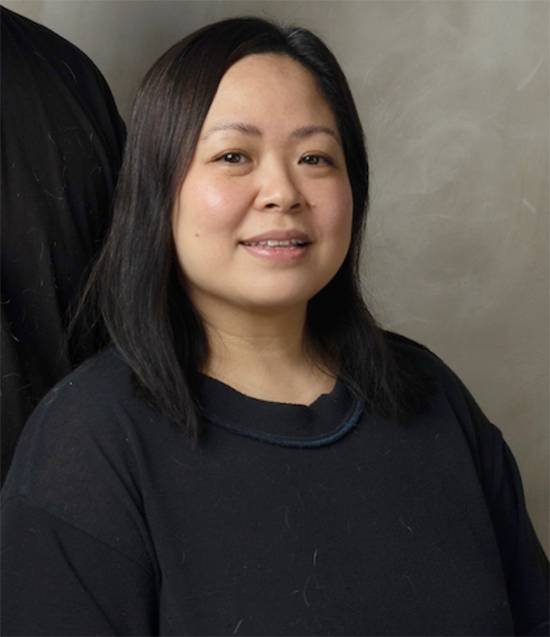
“There is really no such thing as ‘qualifications.’ Social media has democratized influence and consumers today are the ultimate arbiters of who’s influential to them. You can be a geeky home cook or a celebrity,” says Cathy Feliciano-Chon, managing partner at FINN, the PR agency for Asia’s 50 Best Awards and the upcoming Terra Madre Asia and the Pacific. “It ultimately comes down to your content and how engaging it is.”
She adds, “At one time, the number of followers and level of engagement were metrics used to assess one’s value. But what this means today is entirely arbitrary. While quantity matters, thankfully, so does quality. You can have someone with less than 5k followers, but these followers can be industry insiders who are quietly shaping opinions and decisions at a level that’s having a more profound impact than simply making noise or building buzz.”
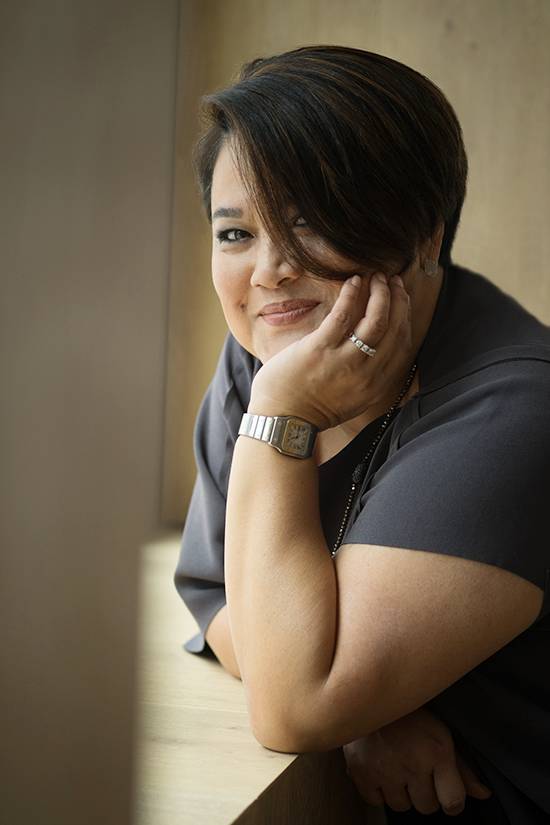
Germain Woon shares similar sentiments and sees the title as something bestowed, not self-proclaimed. “Anyone can claim to be a food influencer, though not everybody embodies it in a way that feels lasting or genuine. Respect is earned over time, by building trust, by staying authentic, and by consistently showing appreciation for the industry,” says the founder of The Foundry Asia, a PR and creative marketing agency representing celebrated restaurants such as Narisawa in Japan and Little Bao in Hong Kong.
Social media has definitely changed the world of food and beverage as respected critics are now sharing space with a former lawyer (Pooja Mohanty of Food Without Borders blog), former marketing professional (Ninong Ry of TikTok fame), and a former businessman (James Beard winner Erwan Heussaff who operates FEATR) when it comes to humanizing brands, building awareness, and swaying purchasing decisions. Armed with opinions that carry more weight than traditional advertising, these individuals provide immersive experiences that provide impact, be it big or small, on consumer behavior. Yet, not everyone gets to have that privilege to persuade.
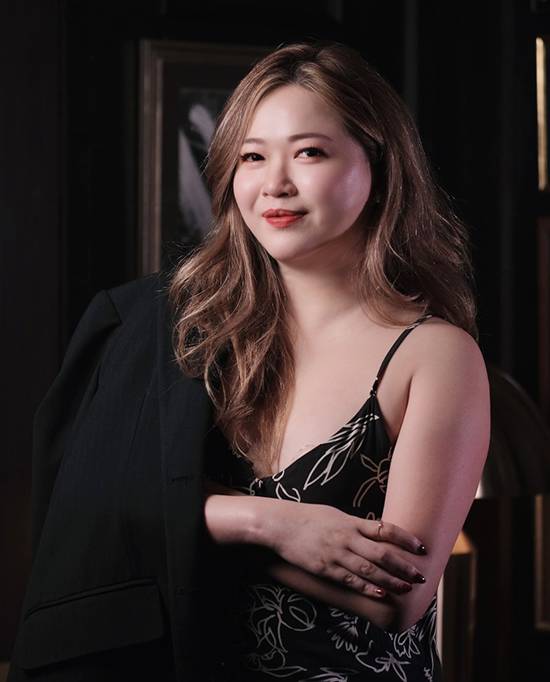
“I’ve found that those with real influence don’t need to be performative,” says Chon. “They’re not paid-to-play, currying favors or posturing to validate their clout. So you tend to trust their opinions more because they have nothing to gain from it. The challenge is in knowing who they are.”
May Navarra, general manager and owner of Toyo Eatery, says that a food influencer is someone who’s figured out how to build a community around their taste. “They’re storytellers to some extent. And I say this not so much about just talking about a dish, but also about the whole vibe around a dining experience. More than just trends, they’re able to connect people with flavors, stories, and culture through their knowledge of food but also challenge and push them towards new ideas and perspectives. To be clear, I don’t see influencers as professional critics. Rather, they are people who can give you the real talk on what’s worth your time.”
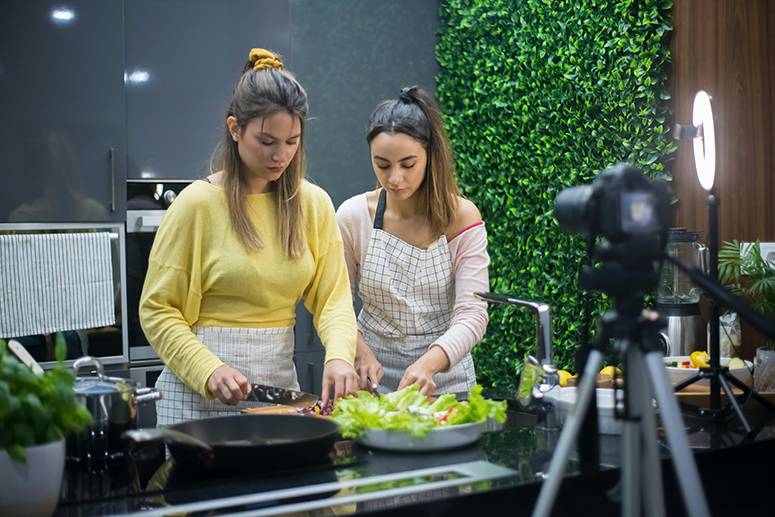
Simply posting their two cents about something they ate won’t make the cut. For Woon, they should sincerely understand their food, its origins, techniques, and context while being able to differentiate flavors and communicate them thoughtfully. “Most importantly, they should approach food with respect for the craft and culture behind it.”
Influencers can be one of many types—those who review restaurants, chefs and home cooks who demonstrate techniques and share recipes, mukbangers a.k.a. people who entertain by consuming large quantities of food, travel bloggers who recommend places to eat and specialty niche ones with a targeted audience such as vegan cuisine. Whatever the role, there’s a certain degree of trust, relatability and rapport they must earn to form a good following.
“Food influencers are undeniably influential because so much of the industry has shifted online. Their role is to make food instantly accessible and aspirational, they create visuals and narratives that can make people want to ‘eat the camera.’ While I’ll always hold a soft spot for traditional journalism and long-form storytelling, digital content has become the fastest and most impactful way to capture attention and shape dining decisions,” says Woon.
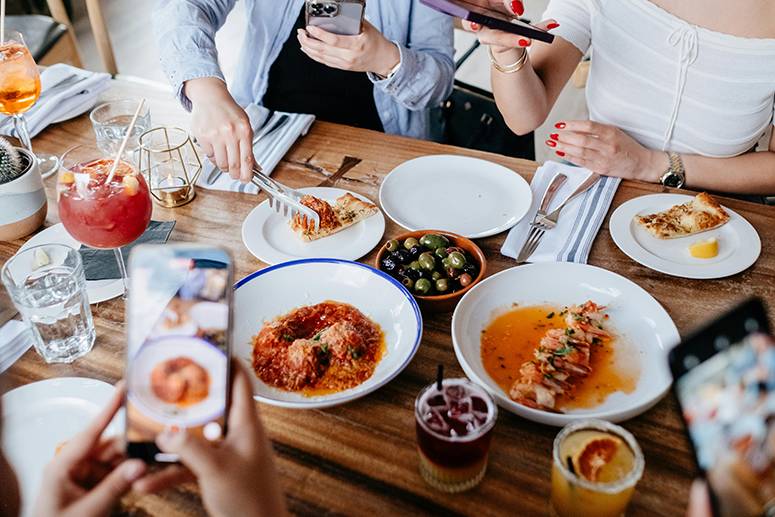
“They’re definitely part of the ecosystem. For us, as a restaurant, they are a bridge. They’re able to introduce what we do to a wider audience, in a personal way,” Navarra adds. “Honestly, I think that the only qualification that matters is authenticity. It’s important to have a genuine point of view that people connect with.”
Aside from compelling content, food influencers need to have credibility, especially among Filipinos, many of whom get turned off by superficiality. But once they figure out the right formula, they will surely get to have a voice that’s loud enough not just to be heard but also be followed.