TIPS: Here's how to prepare your condo or house for a typhoon
With the looming threat of typhoons, keeping your home safe and secure is more important than ever.
The Philippine Atmospheric, Geophysical and Astronomical Services Administration states that the Philippines is affected by approximately 20 tropical storms and typhoons every year, more than one per month on average. This means constant preparation is necessary for floods, power outages, and costly damage.
To keep yourselves safe, here are ways to secure your condominium units or houses ahead of a typhoon:
Install window shutters, utility ropes for roofs
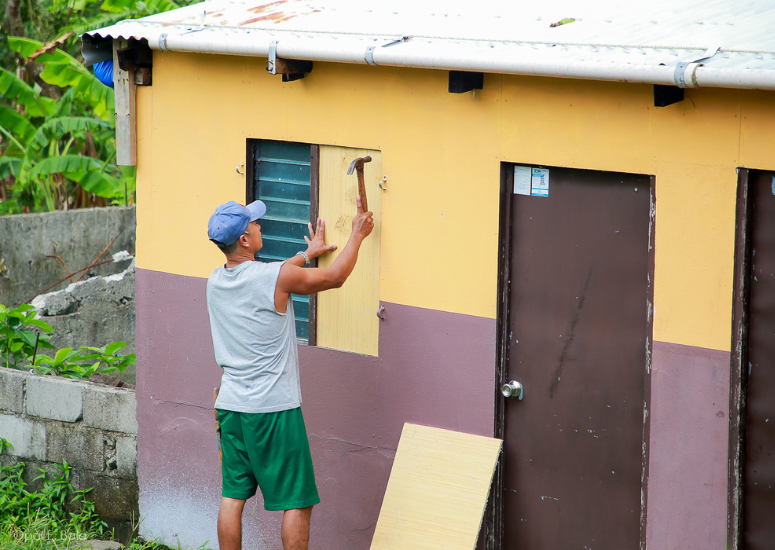
To protect your house and condo unit from shattered glass and flying debris, especially with strong winds, install window shutters. These can be made out of fiber-reinforced plastic, plywood, or steel.
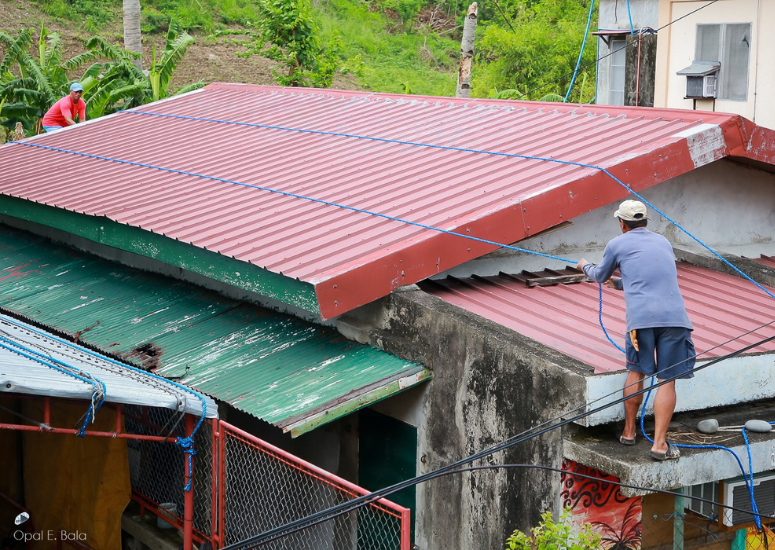
For those living in houses, secure your roofs with utility ropes and nets to keep them from being blown away during typhoons. These practices are often done in houses in Batanes, which is frequently hit by typhoons.
Check for leaks
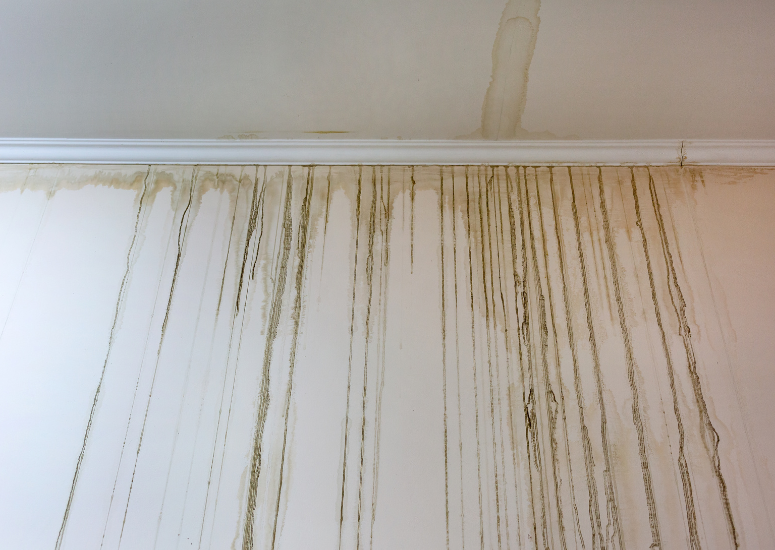
Before the typhoon hits, inspect your home for leaks. Look for cracks, gaps, or any signs of damage, and apply sealants where needed. If necessary, hire a professional to check and repair your roof and ceilings.
Taking these steps will help protect your home from constant cleanups and prevent water damage to your appliances. It also reduces the risk of mold growth during the typhoon.
Ensure electrical safety
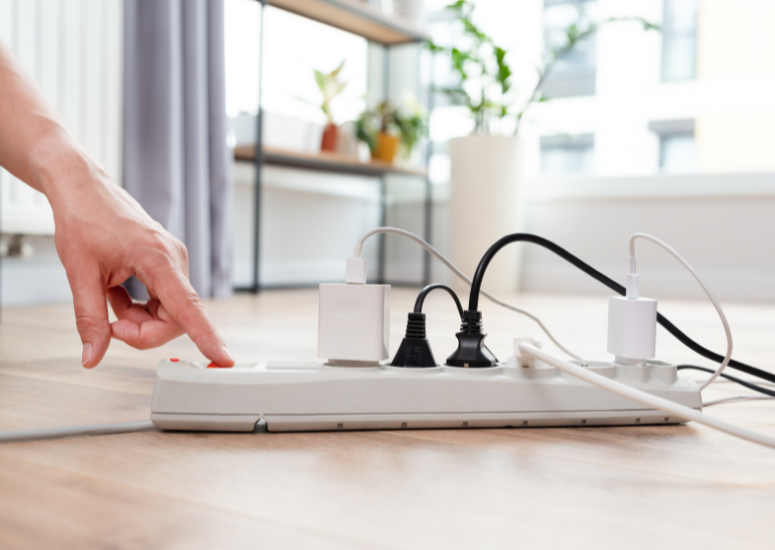
After charging all your devices, prepare to unplug electrical devices like TVs, air conditioners, vacuum cleaners, and more, especially during a power outage.
Another preventive measure is turning off the main breaker while you can still safely access it before it gets affected by water from floods or leaks.
Ensure you also secure outdoor wiring. Put away, or at least tie down loose wires on your roof or your garage ceiling.
For those living in condominiums, hire a professional and/or coordinate with the management to check up on your unit's electrical system.
The Cebu Police Provincial Office recommends plugging essential electronic devices into surge protectors to reduce the risk of damage from power surges. It added that you must stay at least 10 meters away from downed power lines or objects touching them.
Clear the surroundings
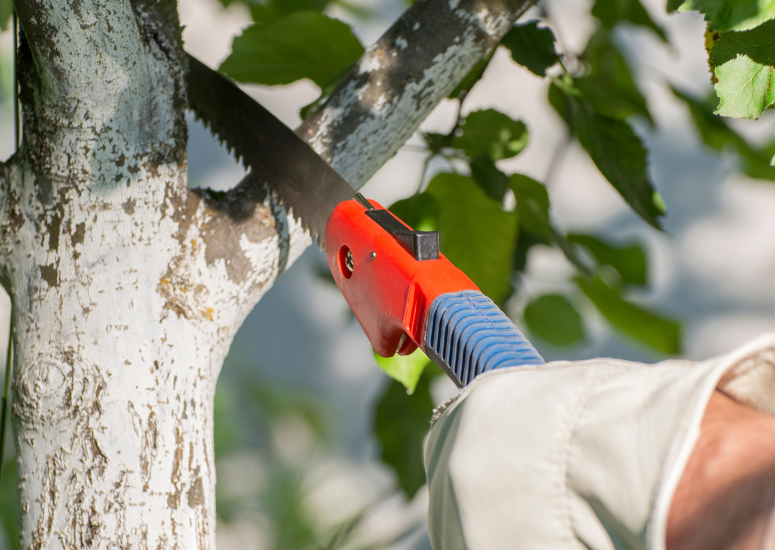
Keep your home free from any items that could damage your windows, roof, or cause flooding.
For those living in condos, remove items like light furniture, wind chimes, potted plants, and trash cans from the balcony as they can be blown away by strong winds, posing a hazard to others.
Those living in houses should trim branches and bring in outdoor furniture that can be blown away.
Also, be sure to keep gutters, downspouts, and storm drains clean so water flows freely.
Plan your exit
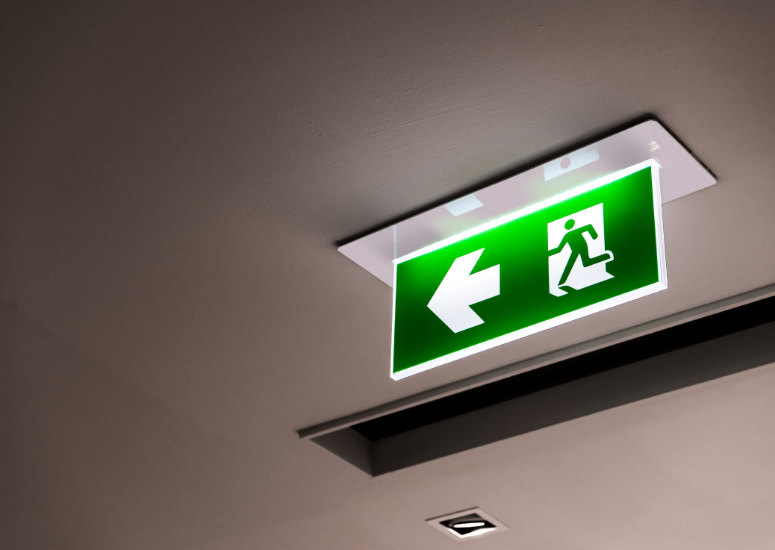
Familiarize yourself with your condominium’s evacuation exits so you can leave safely and efficiently if conditions worsen.
For those living in houses, especially in flood-prone areas, it’s important to evacuate early. Don’t wait for the typhoon to arrive—if your local government advises evacuation, do so promptly while the roads are still safe.
Move cars, furniture, and appliances to higher ground
For homeowners and those using basement parking, move your car to higher ground immediately when a flood warning is issued. Good options include a relative or friend's elevated property or area, a multi-level parking garage, or a mall's parking facility.
To prevent flood damage, elevate first-floor storage items. Also, move at-risk appliances like your water heater, washing machine, and electric panel to higher floors.
Other important tips
If your area will be the most affected, be sure to have GO Bags ready containing necessary medicines, food, water, power banks, a few clothes, and other items you'll need for survival, like flashlights, whistles, and ropes.
You can also place important documents and IDs in sealable plastic bags and store them high up to protect them from water damage.
Stay updated on the latest weather bulletin to keep track of the typhoon's path and intensity so you can better prepare and take timely precautions.
And finally, save the contact numbers of your LGU emergency response team and police hotlines for rescues and other urgent assistance.