Tokyo’s most unusual attraction could save your life
Tokyo, in its famously efficient way, doesn’t just prepare for disasters—it lets you experience them. Not in a grim, “brace yourself for doom” kind of way, but in a deeply educational, slightly theatrical one. Enter the Tokyo Fire Department Disaster Prevention Experience, where for two hours, you get schooled on surviving earthquakes, fires, and floods—minus the actual trauma (and plus a fair bit of laughter).
It’s hardly the kind of activity most travelers plan for, but after the string of natural disasters back home, it felt important—almost necessary—to see how Tokyo prepares for the inevitable.
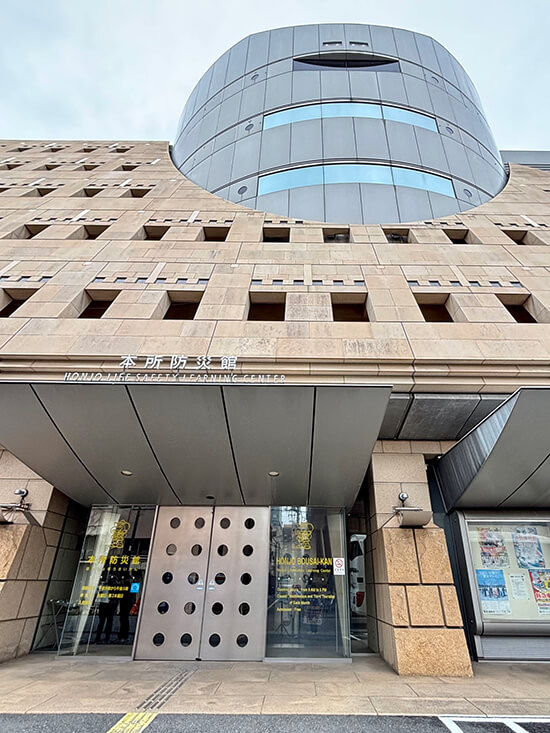
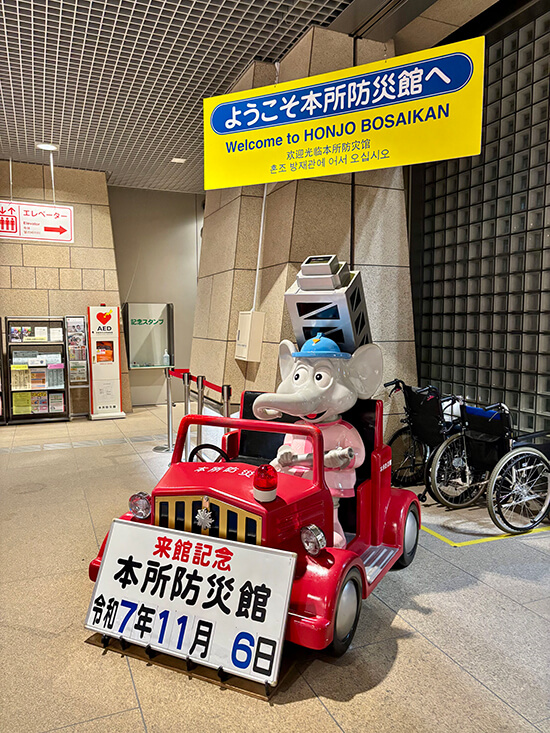
Booking a slot online (tokyo-bskan.jp) is an exercise in patience. Of the three centers in Tokyo, one was full on all my chosen dates, while the other was over 90 minutes away. Luckily, the Honjo Life Safety Learning Center in Sumida City—a mere 25 minutes from my hotel— confirmed my reservation. (Online netizens swear the Honjo center takes walk-ins, but I wouldn’t risk it; when we arrived, an entire busload of Japanese executives was already there for their own “corporate bonding under simulated catastrophe” session.)
Shake through an intensity 7 quake, crawl through fire smoke, and battle floodwaters — all in the name of preparedness.
Now, here’s the catch: the booking form requires non-Japanese speakers to bring a translator. We didn’t have one, so we half-expected to be turned away. Instead, the staff cheerfully grouped us—13 confused foreigners—into one tour. Our guide spoke limited English, but between gestures, short phrases, and generous smiles, we managed just fine. The tour is free, runs almost two hours, and comes with videos, films, and simulations that would make even a seasoned traveler sit up straight.
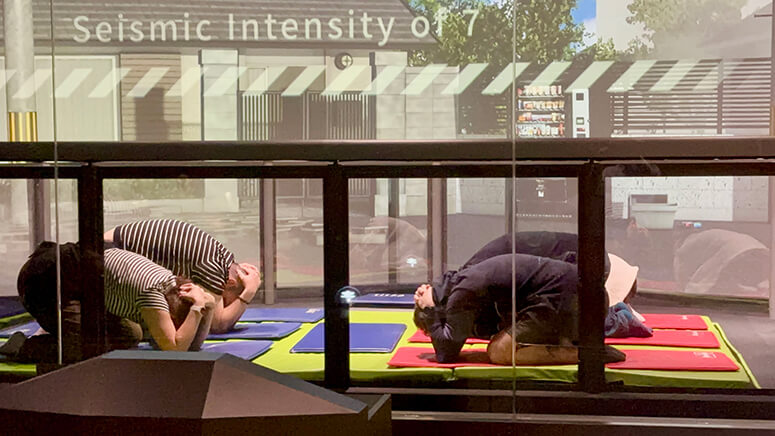
The first and main event for me was the earthquake simulation, a full-body reminder that the ground under your feet is not always your friend. Before it began, our guide gave us clear instructions: kneel down, face the floor, cover your head. Then, the platform started to shake, intensity 7—and within seconds, my brain forgot all instructions. The floor rattled like a blender on high. Despite my “prepared” stance, I was thrown sideways, and those few seconds stretched forever.
A video after the simulation showed how much worse it gets in a high-rise—something that hit close to home, as I live on a high floor back in Manila. It was sobering, to say the least.
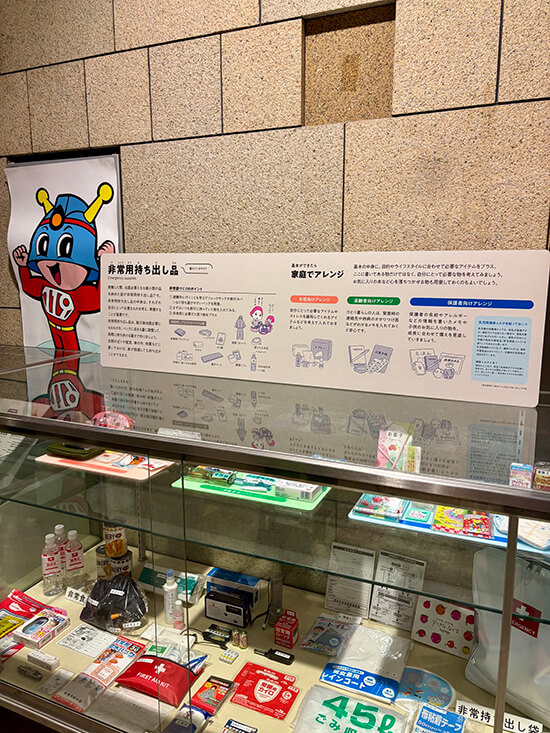
Living in the Philippines—where natural disasters are all too familiar—this hit even harder. Experiencing Tokyo’s structured approach to disaster preparedness felt not just informative but essential. It’s the kind of hands-on training that could make a real difference back home, where similar risks meet less predictable systems.
When the ground moves, you don’t. Drop, cover, and hold. Stay away from windows, heavy furniture, or anything that can fall on you. And whatever you do, don’t run—especially not in slippers.
Next came the fire safety section, which was more cardio than I expected. We learned that in a fire, smoke and carbon monoxide rise fast, so you must crawl low to stay in the breathable zone. It’s humbling to realize how quickly a small spark can become a full-blown blaze. Our guide, through interpretive hand gestures worthy of an award, reminded us to unplug devices before bed. Fires, apparently, love charging phones as much as we do.
In case of fire, forget your bag, your charger, your limited-edition sneakers. Grab your body and go. Crawl low, cover your nose and mouth, refrain from talking to avoid inhaling smoke, and get out fast.
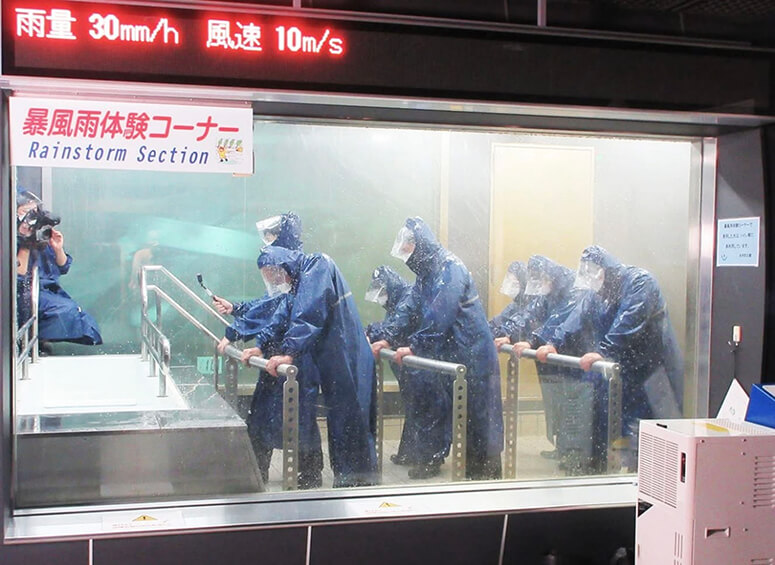
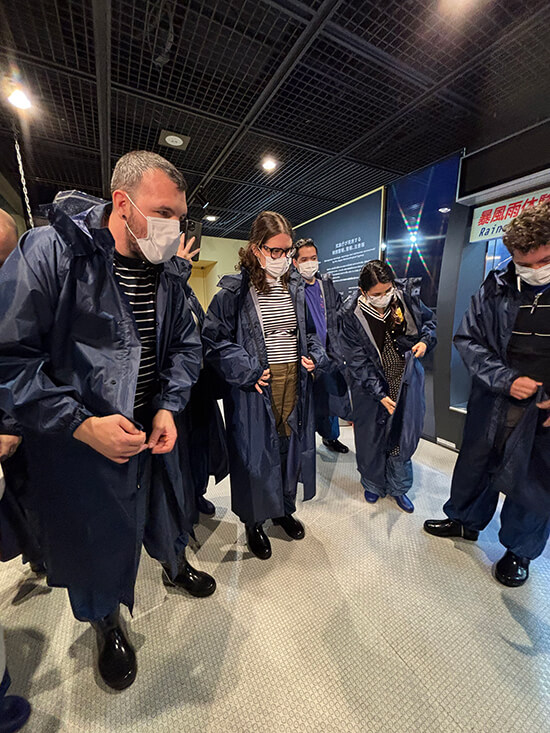
Stepping into the rain-shower simulation is like walking straight into a miniature typhoon, only with a sense of safety that makes the experience all the more exhilarating. Before you even feel a drop, the guides swoop in with meticulous care, dressing you head to toe in raincoats, boots, and face masks, double-checking every strap and zipper as if you were about to scale Mount Fuji in a monsoon.
Then the downpour hits—sheets of water hammer down, gusts of wind buffet you from every angle, and the low rumble of artificial thunder fills the room. Even knowing it’s simulated, the intensity makes your heart race; it’s disorienting, dripping, exhausting—and utterly enlightening. By the time you step out, soaked but grinning, you carry a vivid, physical understanding of the power of storms, and a healthy respect for Tokyo’s weather warnings.
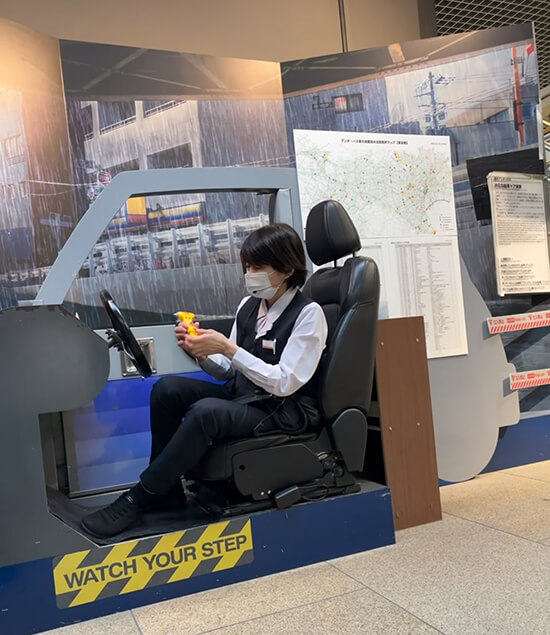
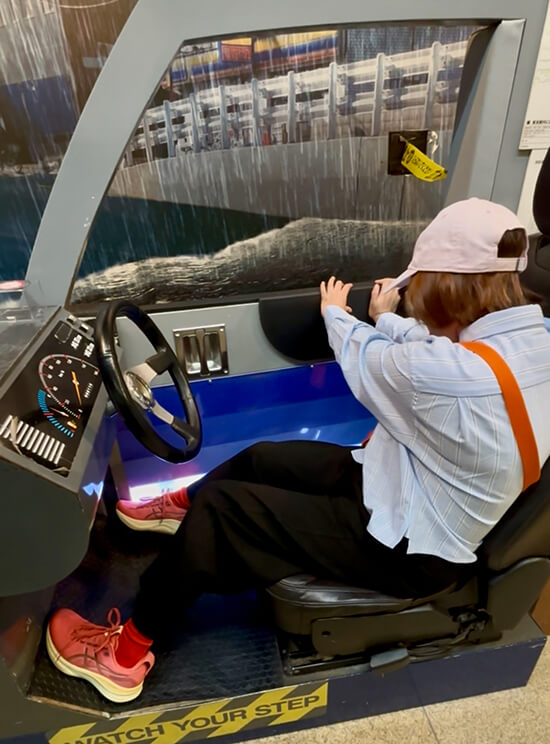
The urban flood simulation started with a car door challenge—a sobering reminder that cars and floodwaters are a terrible mix. You get to choose your level of difficulty: 10, 20, or 30 centimeters of simulated water pressing against the door. Feeling cocky from too many hours at the gym, I went straight for 30. Big mistake. I braced, pushed, grunted—nothing. The door wouldn’t budge. Not even a polite wobble. That’s when the guide, clearly used to watching people lose arguments with physics, reminded us: once water rises even a few centimeters above the base of your car door, you’re not opening it. The pressure’s simply too strong. Your only hope is to break the window—with a car escape tool, not your gym-earned biceps.
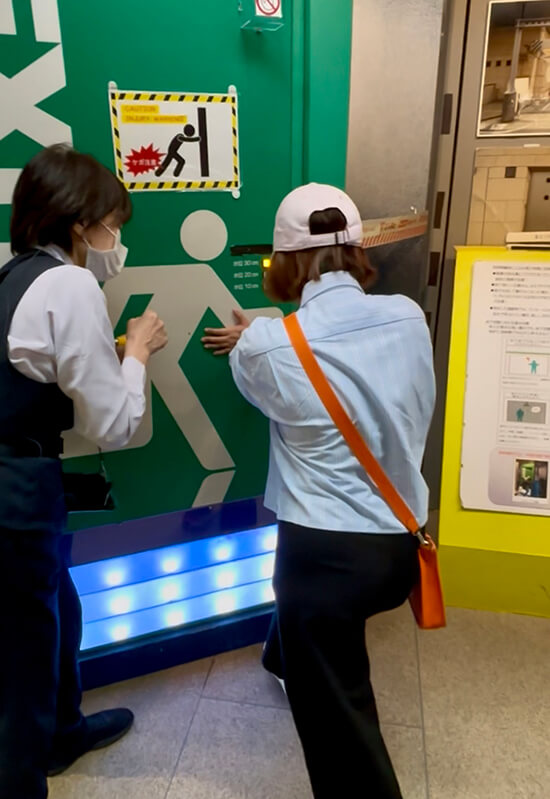
Then came the house door version, same setup, same 10–20–30 cm options. I, still unwilling to learn, chose 30 again. Same result: total defeat. Turns out even a modest amount of floodwater can turn an ordinary door into an immovable wall.
Keep a small window-breaking hammer in your car and by your front door. At 30 cm of water, strength won’t save you—but preparation will.
The whole experience starts with a short film, Through Nobu’s Eyes: A First Person Account of the Great Kanto Earthquake. It tells the story of Nobu-san, a 29-year-old mother of two who survived the 1923 quake and later shared her story in writing to help others. More than a hundred people in her neighborhood perished—mostly from the fires that followed. Her takeaway, and now mine: You are responsible for your own safety—but you must also be ready to help others. Nobu-san, whose husband died in the fire, survived with her children through the kindness of others.
Disasters happen when we least expect them, and often in ways that defy imagination. Preparedness may sound like a buzzword until you’re the one thrown sideways in a quake simulation.
Tokyo’s disaster prevention centers are a brilliant, sobering, oddly entertaining reminder that safety is not just about luck—it’s a learned skill. I only wish there were translators available, because I would’ve loved to ask about what to do if you have limited mobility, small children, or living with seniors and pets. Still, language barriers aside, the experience speaks clearly: be prepared.
If you’re traveling with kids, this is a must. They’ll remember it longer than a museum visit—and you’ll all come away a little more ready for whatever nature throws your way. The drills mirror the same natural threats we face back home, but in an environment that turns fear into preparation. Wear comfy shoes and socks, expect to get a little wet, and bring a healthy sense of humility. Tokyo makes disaster prep feel less like doom and more like empowerment—and that’s something worth taking home.