Japan-famous PST now serves signature pizzas in Manila
Like co-owner Bill Yuen, I, too, have had wonderful experiences dining at Tokyo’s popular Pizza Studio Tamaki (PST). We practically share the same sentiments. It was always full and more often than not, had a queue for customers who tried their luck by walking in. But, as what always had been the case, the wait—or effort to call to reserve—was handsomely paid off by among the best pizzas Japan has to offer.
“We really like PST,” says Yuen. “When we looked at the market in the Philippines and found that there’s none in the country that’s comparable to what we tried in Japan, my partners and I approached them and asked if they’re interested (to open in the country).”
As fate would have it, founder Tsubasa Tamaki was in the process of expanding globally, setting up shops in Singapore and Thailand. Yuen’s timing was just right. After several conversations, his team sealed the deal in 2024 and by the second quarter, they were already building their very first branch in Manila.
Humble beginnings
PST was started by chef Tamaki, who first worked and earned experience at both Savoy pizzeria and Pizza Strada in Japan (he had never been to Italy prior to this) before venturing on his own and opening shop at Higashi-Azabu in Minato City back in 2017. It almost instantly became a cult favorite, with customers patiently waiting in line to grab a seat and a reservation list that was booked up for weeks. It also garnered acclaim in no time, earning a Michelin Bib Gourmand and Asia’s 50 Top Pizzas listing (no.18 in 2024) for its distinct approach to pizza craftsmanship.
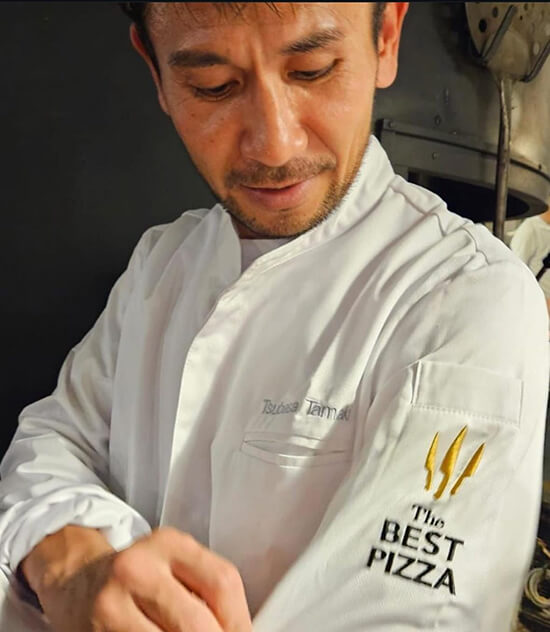
Loyal patrons come to PST for the unique dough. It’s not exactly Neapolitan in style, but has touches of it. It’s made with a blend of wheat flour that’s milled in Japan then fermented for 30 hours, resulting in a crust that eats light and chewy, almost like mochi, and marked with a puffed, charred crust given by the 500-degree wood-fire oven.
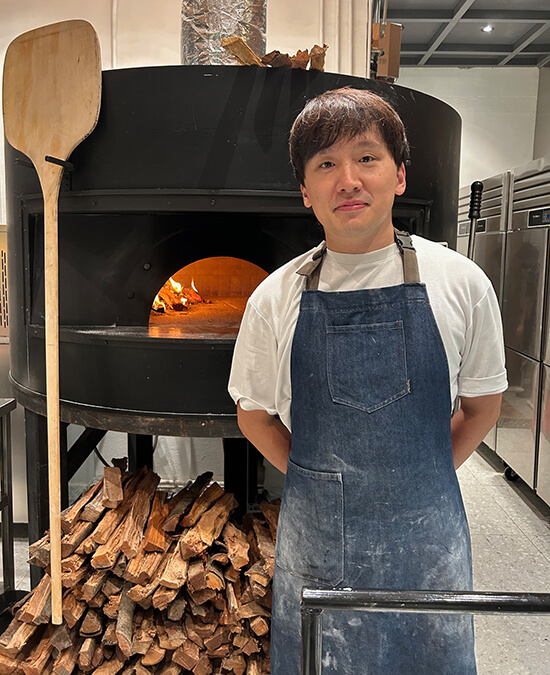
At the Manila branch though, the dough is fermented for less the time, admits chef Hiromi Nakada, who will be supervising the kitchen. The 34-year-old has been with Tamaki from the very beginning of the brand and stands among the handful of chefs Tsubasa has personally trained. He shadowed for him for three years before finally being allowed to do the pizzas himself.
In their maiden shop located at the Ayala Triangle Garden, he takes on the role his mentor once played, making sure that every pizza that comes out of the oven is on par with what he was taught.
Recipe for success
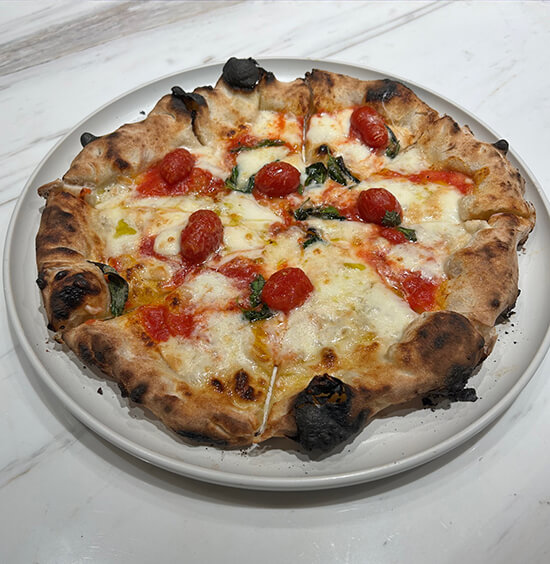
The flour they use is the original blend of Tamaki. Due to the weather and the quality of the water in Manila, Nakada had to adjust the dough to get the consistency and body they were looking for—one that has a crispy exterior and a chewy interior and with a distinctive salty flavor.
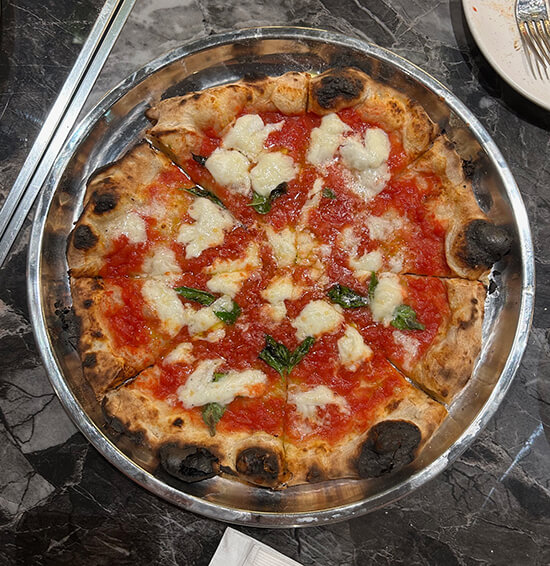
The toppings are loyal to what Japan has. There’s the signature Tamaki composed of pecorino Romano cheese, fresh basil, smoked mozzarella, and roasted tomatoes that you need to smash with a fork before consumption; and the Margherita, which comes traditionally and another with fresh buffalo mozzarella. The diavola can appease guests who enjoy their pizzas spicy, just as much as the arrabbiata, the kick of which comes from nduja and housemade chili.
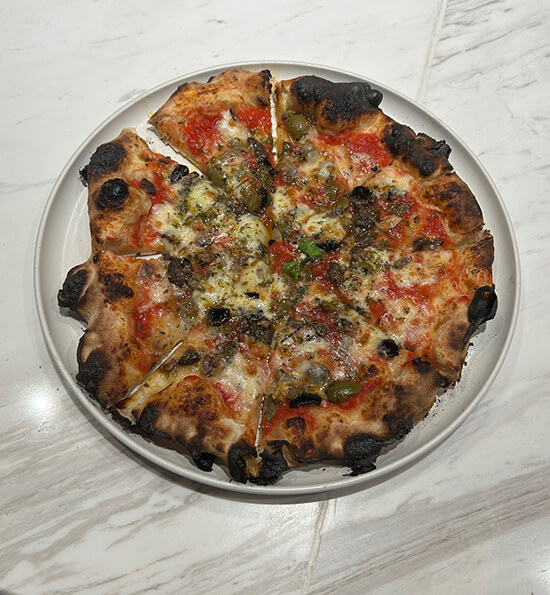
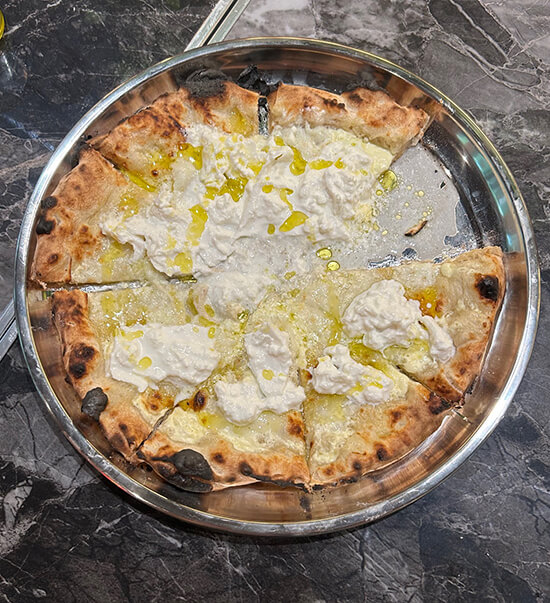
The cheese-based pizzas include a five cheese (smoked mozzarella, gorgonzola, taleggio, grand padano, and mascarpone), a cacciatora with sausage and olives, and a Bismarck with mushrooms and egg.
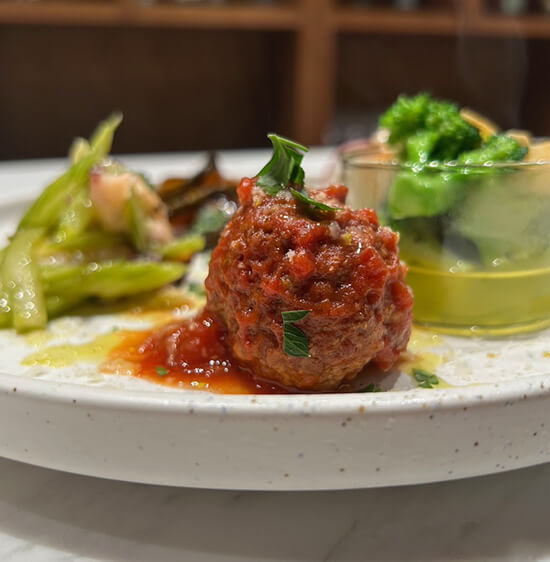
The antipasti menu lists the same items you see in their Japanese menu, too—octopus and celery in lemon marinade, escabeche with red onion, balsamic pumpkin, and chicken with mustard, to name a few. All of which can be enjoyed with their cocktails and wide array of wines and beverages.
Design differences
As with all the PST branches, the process of making the pizzas becomes a form of entertainment. The open kitchen doubles as a stage, with the salt and flour dancing through the air and the intense flames providing an electrifying backdrop.
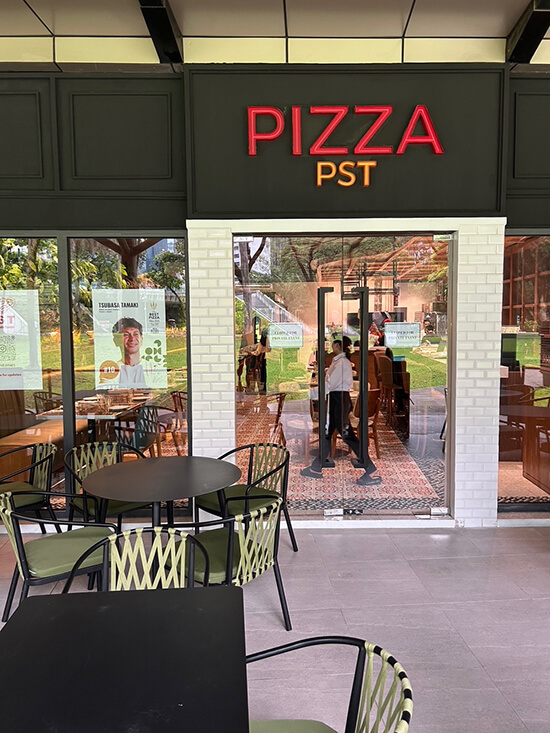
Whereas Japan’s branches lend a more industrial, minimalist vibe, Makati’s is comparably more modern and bright, fitting right in with the row of restaurants it is situated in. It can accommodate close to 60, and unlike Tokyo, which is only open for dinner, lunch (and later on, even breakfast) is served at PST Manila.
I, along with thousands of other people, have been longing for the opening of Pizza Studio Tamaki ever since I heard about its arrival in the Philippines. That wait finally ends as PST in Ayala Triangle Garden opens to the public on Oct. 11.
* * *
To reserve, visit their Instagram page.