iPhone 16 vs. iPhone 17—Is it time for an upgrade?
It's the time of the year again!
Apple has unveiled its latest smartphone lineup, which includes the iPhone 17, iPhone 17 Pro, and iPhone 17 Pro Max along with a new ultra slim iPhone Air on Sept. 10. These devices boast a new 18MP Center Stage front camera, improved rear cameras—including 48MP Fusion lenses—and a revamped "plateau" camera bump for the Air, Pro, and Pro Max.
With the release of the newest iPhones, how does it shape up against last year's iPhone 16 series, and will it be worth it to make the jump
Display and appearance
The standard iPhone 16 and iPhone 17 share Apple's signature sleek design, but the iPhone 17 feels more refined as it got a bigger 6.3-inch 120Hz ProMotion display that can output 3,000 nits of brightness so you can see what's on screen better under direct sunlight. To recall, the iPhone 16 touted a 6.1-inch screen.'
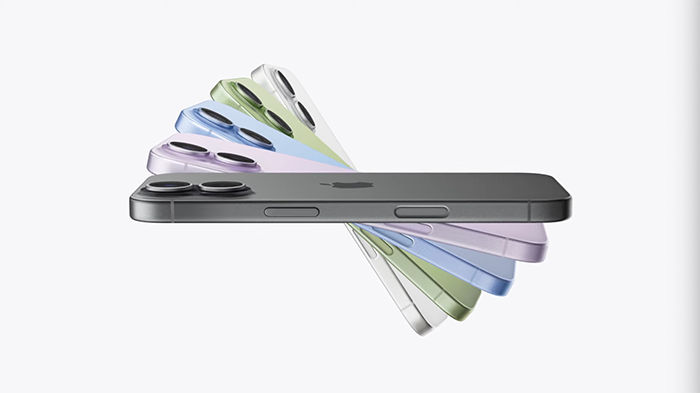
Looks-wise, iPhone 17 has slightly slimmer bezels and a lighter titanium frame, making it easier to handle, while the new color options—like Midnight Blue and Sunset Pink—add a fresh personality.
This latest version also got a tougher build with a Ceramic Shield 2 front cover with better scratch resistance and reduced glare.
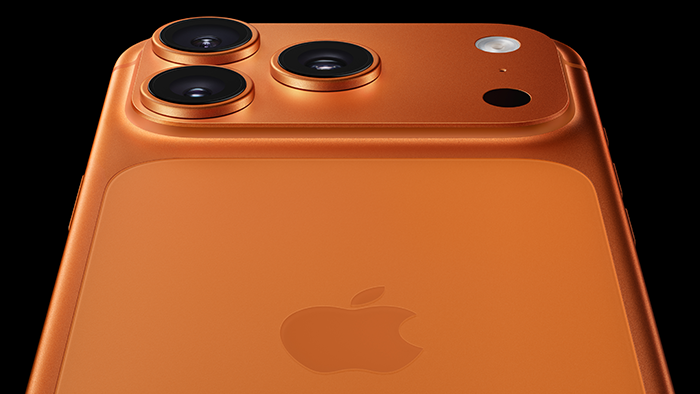
Meanwhile, the iPhone 17 Pro and Pro Max look significantly different than the iPhone 16 Pro and Pro Max. Now, instead of a square camera bump, the latest models are designed with a camera "plateau," a rectangular module housing the camera and other components.
Like the iPhone 17, the Pro versions are also protected by Ceramic Shield in front. The back is also now made with Ceramic Shield for more durability—a first for the iPhone.
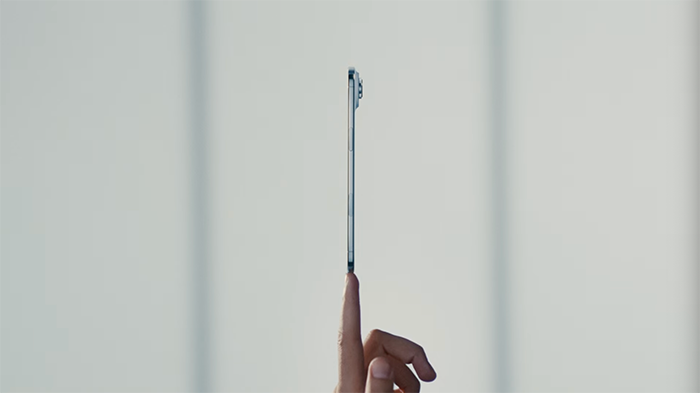
The iPhone Air, on the other hand, also features a new look with a slim 5.6mm frame, 6.5-inch display, and mirror-inspired colorways of space black, cloud white, light gold, and sky blue. This version is also eSIM only.
Camera upgrades
Photography is where the iPhone 17 shines: The latest model will feature a new 48MP Fusion ultra-wide lens and 48MP Fusion Main camera capable of capturing 24MP and 48MP high-resolution photos.
New to the camera system is a 4x optical zoom at 100mm and an 8x optical zoom at 200mm, the longest ever on an iPhone.
The selfie camera also got a big update, as it now features an 18MP Center Stage Front Camera with a wider field of view thanks to its square-shaped sensor. With this, users won't need to hold their phone in landscape to take group selfies, as AI will automatically switch the perspective.
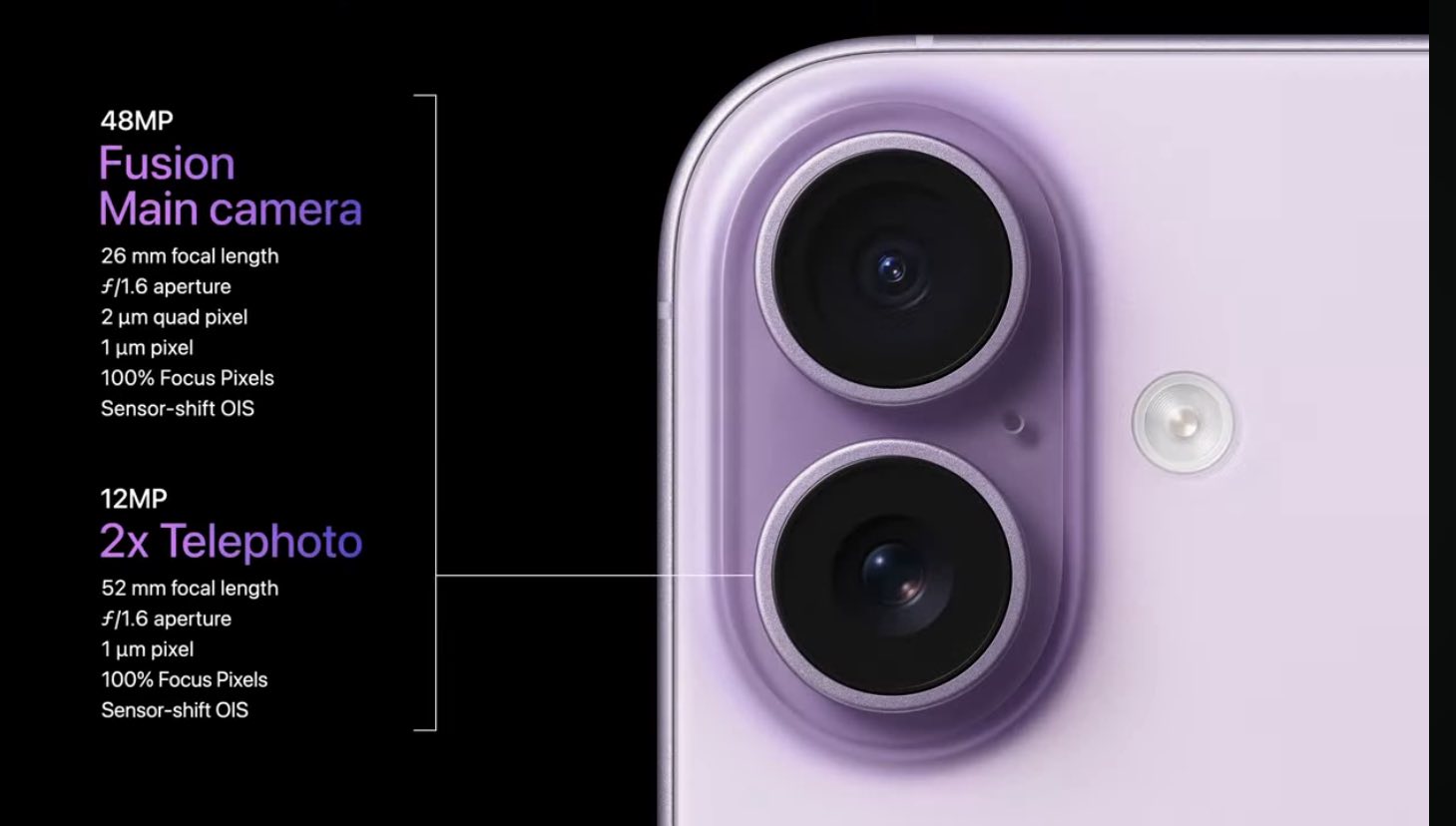
Meanwhile, the iPhone 16 and 16 Plus came with a 48MP main Fusion camera and a 12MP ultra-wide shooter.
The camers on the iPhone 17 Pro and Pro Max got a bigger upgrade, as the three lenses on the devices are all 48MP Fusion cameras, which Apple says is equivalent to having eight lenses in one device. The previous Pro gadgets featured a 48MP ultra wide camera, 48 MP Fusion main camera, and 12MP telephoto shooter.
On the iPhone Air is a single 48MP Fusion camera with 28 and 35mm focal lengths and optical 2x Telephoto.
Moreover, users with the iPhone Air, 17 Pro, and 17 Pro Max will be able to record in Dual Capture, or from both the front and rear camera simultaneously.
Performance and Battery
Under the hood, the iPhone 17 is powered by the new A19 chip, which offers a substantial boost in performance and energy efficiency compared to the iPhone 16's A18 chip. The new chip not only handles demanding apps and games with ease but also contributes to a longer battery life. Furthermore, the iPhone 17 introduces a redesigned internal cooling system to prevent overheating during intensive use.
The iPhone Air, 17 Pro, and Pro Max promise to be more powerful with its A19 Pro chip. The latter two phones are kept cool by a vapor chamber for more optimized performance.
While the iPhone 16 standard versions boast video playback of up to 33 hours for its Pro Max version, the iPhone 17 Pro Max promises up to 37 hours of video playback and up to 33 hours when it comes to streaming.
In terms of fast-charging capability, iPhone 16 can charge up to 50% charge 30 minutes with a 20W adapter or higher paired with a USB-C charging cable, or 30W adapter or higher paired with MagSafe Charger, while iPhone 17 can charge up to 50% charge in 20 minutes with a 40W adapter or higher (available separately) paired with a USB-C charging cable.
The iPhone 16 series will also now come with a bigger base 256GB storage instead of 128GB.
Colors
When it comes to colors, the iPhone 16 and iPhone 17 offer distinct palettes.
The iPhone 16 came in a selection of vibrant, solid colors that include pink, teal, ultramarine, black, and white.
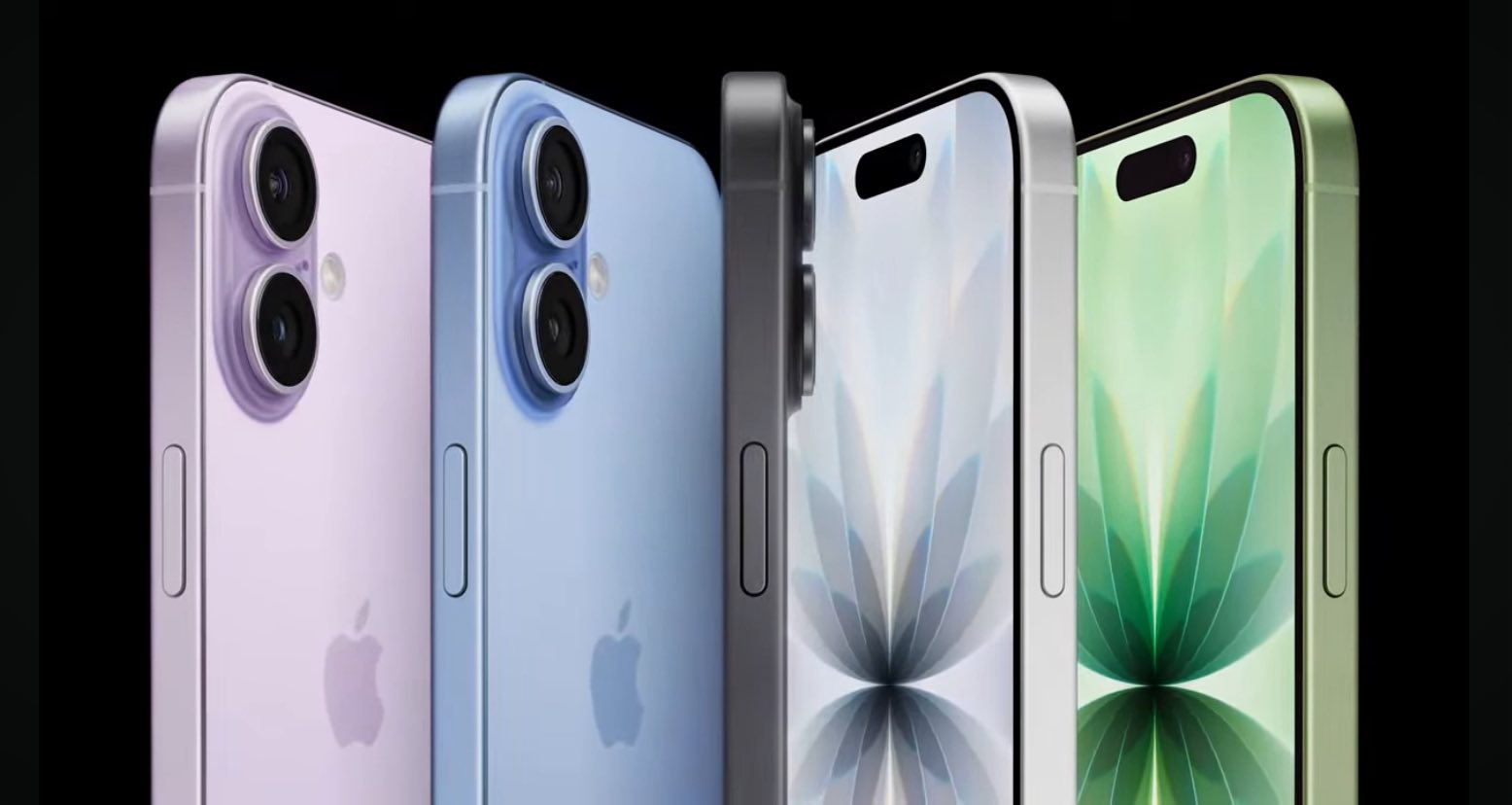
In contrast, the iPhone 17 introduces a new, more muted colors of lavender, mist blue, sage, black, and white.
While the iPhone 16 Pro model introduced a new bronze-like desert titanium color to go with its classic natural titanium, black titanium, and white titanium, there is also a significant shift in the iPhone 17 Pro models.
The iPhone 17 Pro and Pro Max are available in cosmic orange, deep blue, and silver, marking a departure from the classic Black and Space Gray finishes.
Prices
Here's how much the phones are priced at the time of their release:
- iPhone 16 - P54,990 (now P49,990)
- iPhone 16 Plus - P62,990 (now P57,990)
- iPhone 16 Pro - P69,990 (now P59,990)
- iPhone 16 Pro Max - P84,990 (P74,490)
- iPhone 17 - P57,990
- iPhone Air - P72,990
- iPhone 17 Pro - P79,990
- iPhone 17 Pro Max - P86,990
The verdict
For iPhone 16 users, the decision to upgrade depends on how much you value the new features.
If you are a photography enthusiast who wants the best possible image quality, or a power user who needs top-tier performance for gaming and multitasking, the iPhone 17 offers a meaningful upgrade. However, if your iPhone 16 is still meeting your needs when it comes to taking photos and running every day smartphone apps, it's okay to hold off from making an early purchase.
The iPhone 16 remains a highly capable and reliable device for everyday use, and its performance and camera system are more than sufficient for the average user.